
South Africa’s political climate is marked by cracks that could lead to a wider spread of power among political parties, ensuring that the country’s socio-economic life remains healthy.
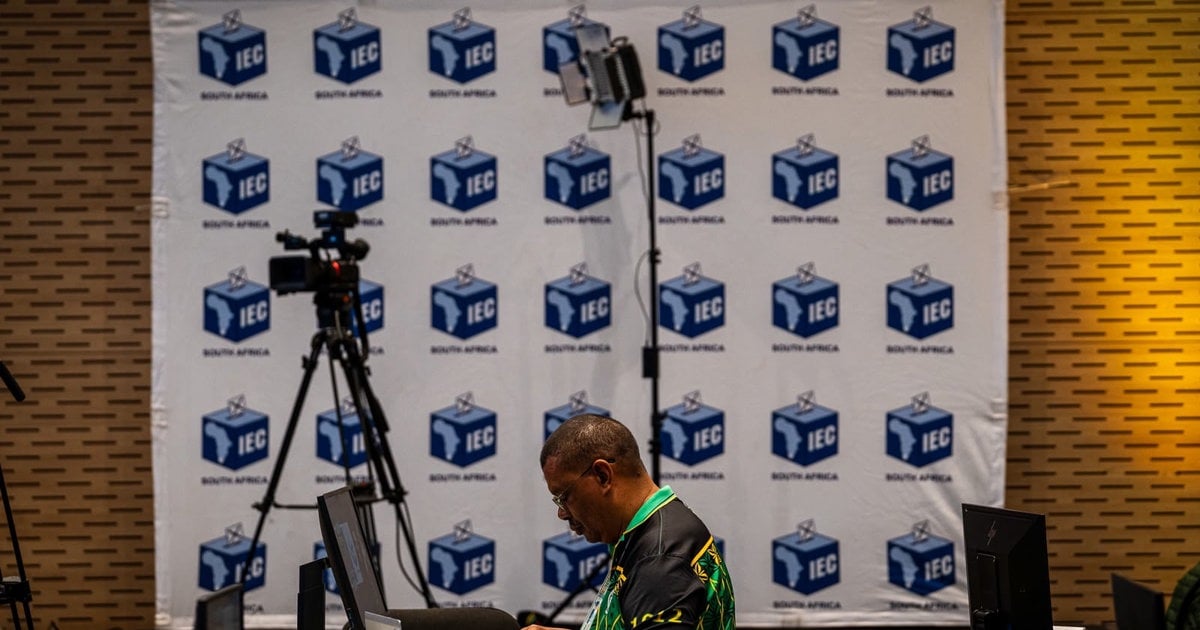
Political analyst Richard Calland told Eyewitness News this on Thursday, the first day of vote-counting at the Electoral Commission of South Africa (IEC)’s national Results Operations Centre (ROC), set up at the Gallagher Convention Centre in Midrand.
ALSO READ: Parties cautiously optimistic as vote-counting continues in South Africa’s metros
His assessment came as political parties remained cautiously optimistic about the results during the vote-counting process.
At almost 50% of the counting process, he said: “I think we’re seeing across the country, including the metros, a greater fragmentation of our politics and a spread of power. That’s inevitable when a big, dominant party like the ANC falls off a cliff, which is effectively what has happened now.”
“The ANC is close to free-fall. That creates a huge space for other parties to come in,” he said, adding that this creates room for “power-sharing”.
Calland added that political parties needed to brace themselves for constructive discussions, bearing in mind the country’s economy and citizens.
“This is an election that is more about the next two weeks of negotiations than it is about the voting and counting that is being done…the leadership of these parties has to be calm and measured in how they conduct those negotiations, with keeping firmly the interest of businesses and residents of these metros in mind. They are essential to the economy of this country.”
The Democratic Alliance (DA) managed to, once again, secure a victory to lead the City of Cape Town.
The party also appears to enjoy dominance in the City of Tshwane, City of Ekurhuleni, Nelson Mandela Bay and City of Johannesburg.
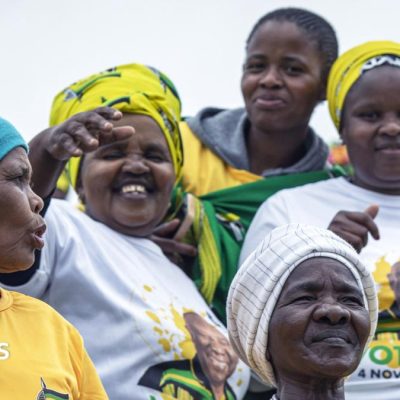
The ANC’s shrinking power is illustrated by its loss of grip on former strongholds such as the eThekwini Metro.
The party does, however, seem to be a favourite in the Buffalo City metro in the Eastern Cape.
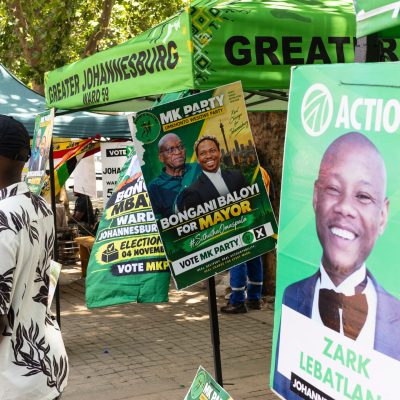
ActionSA is also making inroads in the City of Ekurhuleni with at least 54 wards in the bag.
The city’s crime-fighting mayoral candidate, Xolani Khumalo, has since shared his determination to provide effective service to the city’s residents.
THE DOMINANCE OF POLITICAL PARTIES IN SOME OF SA’S METROS IS ILLUSTRATED BELOW.
Nelson Mandela Bay
Democratic Alliance (DA) 40.52%
African National Congress (ANC) 27.25%
Economic Freedom Fighters (EFF) 4.78%
City of Tshwane
DA 34.54 %
Action SA 22.4%
ANC 20.09%
City of Johannesburg
DA 38.07%
ANC 17.56%
ActionSA 16.8%
Buffalo City
ANC 39.23%
DA 20.67%
United Democratic Movement (UDM) 17.6%
City of Ekurhuleni
DA 36.03%
ANC 19.14%
ActionSA 16.29%
City of Cape Town (DA declares victory)
DA 61.2%
ANC 10.54%
Patriotic Alliance 4.05%
eThekwini Metro
uMkhonto weSizwe (MK) Party 43.79%
DA 20.1%
ANC 18.7%
The IEC has since announced it has received some 800 objections from political parties, adding that they have until 5 pm on Friday to lodge any complaint that could negatively affect the outcome of the municipal elections.
According to the IEC, the final results announcement of the municipal polls is slated for Sunday, 9 November 2026.
Never miss a major story. Get breaking news and the latest developments from South Africa and beyond as they happen.