

Quick Take
-
Researchers tracked 70,000 sightings and found something that contradicts the loner label.
-
One kind of rhino almost never joins these gatherings. Guess which.
-
Their aggression isn’t just temperament. Several hidden triggers fuel it.
-
Moving rhinos to safety can backfire if conservationists pick the wrong companions.
Black rhinos are notorious loners, generally preferring solitude over the company of other rhinos. However, under the right circumstances, they can peacefully coexist. This ability to get along with one another could play an important role in saving the species from extinction, but only if the right rhinos are brought together.
Black Rhinos May Not Be Loners as Once Believed
According to a new research article published in Oikos, there are instances in which black rhinos remain together in habitats for extended periods. While data from nearly 70,000 sightings of 542 black rhinos across 14 protected habitats suggested the species is solitary, approximately 8.1% of sightings involved groups of three to seven rhinos. When these rhinos gathered, there was no aggression.

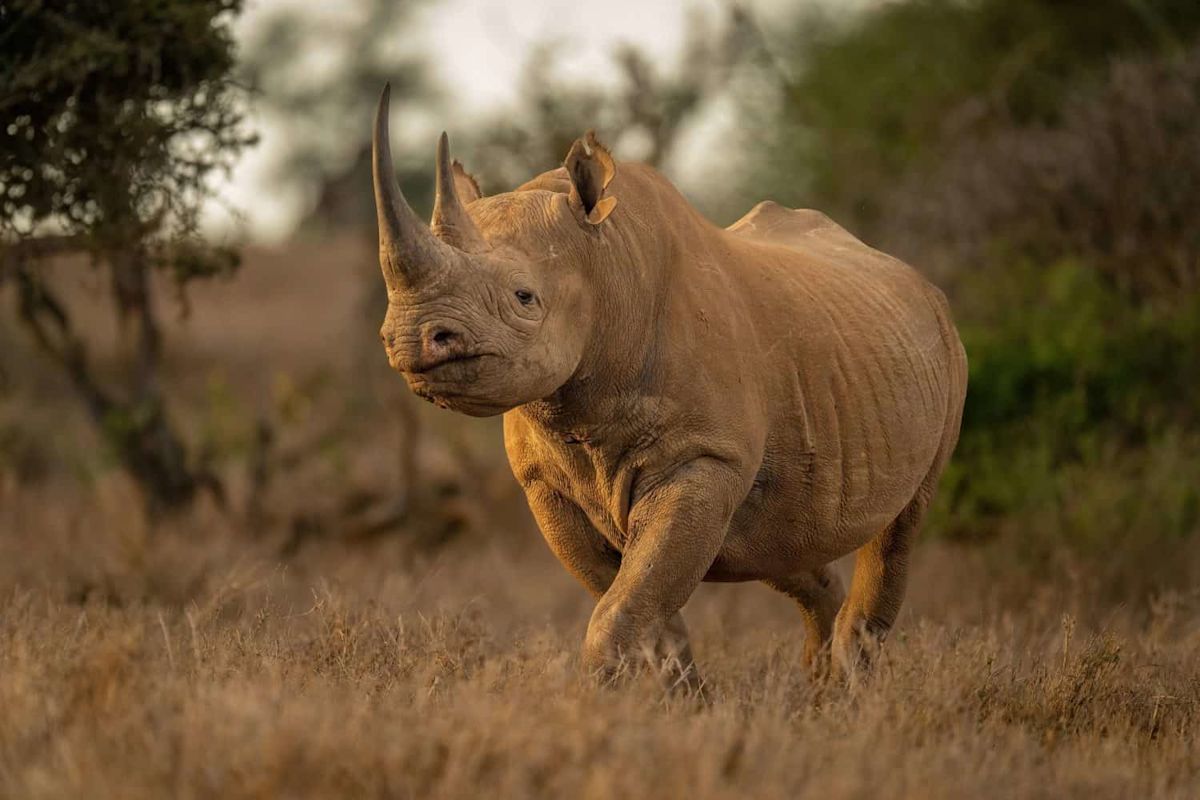
Black rhinos may not be as solitary as once believed.
©Zaruba Ondrej/Shutterstock.com
The groups typically consisted of black rhinos that had been in contact with one another at some point in their lifetimes. This could include females who have come across one another in overlapping habitats, or calves that have grown and now come into contact with family members.
8.1 % of nearly 70,000 sightings of 542 black rhinos involved groups of three to seven rhinos
Interestingly, while adult black rhino females were most likely to interact with one another, there were a few groups of male rhinos that could coexist in the same space without aggression toward one another. This, again, circles back to the rhinos having a previous relationship with one another.
While these magnificent creatures tend to live a solitary existence, there are circumstances in which they can temporarily cohabit peacefully.
What Leads Black Rhinos to Be Aggressive
Black rhinos are known as the most aggressive of the rhinos, often appearing territorial and unpredictable. Many factors play into their tendency toward aggression.

Black rhinos tend to be aggressive due to poor eyesight, unfamiliar sounds or smells, defending territory, or being startled.
©Nick Dale Photo/Shutterstock.com
Some of the reasons black rhinos tend to be aggressive are as follows:
-
Poor eyesight leading to the ability to only see 100 feet away or less
-
Unfamiliar sound or smell triggering fear
-
Living a solitary life rather than within a protective group
-
Evolution has taught the rhinos to charge first and ask questions later in the name of self-preservation
Were black rhinos to live in a habitat with no thick brush and better visibility, or to live in a pack where they were better protected, they might have a demeanor more like that of other rhinos. However, the black rhino habitat and lifestyle means aggression is necessary for survival.
Are Black Rhinos Picky About the Company They Keep?
Over the years, peaceful gatherings between select groups of black rhinos have been documented. Essentially, black rhinos are picky about the company they keep.
Choosing to coexist with other black rhinos for a time means that there is no perceived threat from other black rhinos within the same habitat.

Black rhinos will peacefully inhabit the same territory when there is a preexisting relationship between the rhinos.
©Reto Buehler/Shutterstock.com
There are times when they will stay together for more than just a brief period. This occurs when females are raising calves, when females overlap in territory, or when one male is with a group of females in overlapping territory. The interactions may last for years in the case of mother and calf, or just a few days between adults.
The key to interacting successfully without aggression seems to be a prior relationship between the rhinos. Problems arise when an outsider enters another black rhino’s territory, particularly if it is a male. Therefore, while interaction with other black rhinos is possible, it occurs selectively.
Understanding Black Rhino Socialization is Beneficial to Conservation
Black rhinos are often translocated to protect them from poaching, habitat loss, and overcrowding in their habitats. The goal is to give the rhinos a safe, comfortable space, with the hope that select individuals will breed to help expand the population.
However, their aggressive tendencies make placing rhinos together difficult. It comes down to understanding the relationships black rhinos form and which rhinos are more accepting than others.

Understanding how black rhinos can coexist in the same territory without aggression will lead to more successful translocations, potentially helping save the species from extinction.
©knelson20/Shutterstock.com
As The Conversation notes, movements between multiple organizations, such as the Black Rhino Range Expansion Project, have successfully kept translocated black rhinos together for more than two decades. The key is to find rhinos that already have an established relationship with one another. This may mean translocating more females than males to maintain the group dynamic, as males tend to be more aggressive and can fracture the fragile group structure.
By carefully selecting small groups that can coexist peacefully and continuing to monitor their behavior, there is hope for this species. By considering existing social relationships, conservationists may be able to reduce aggression and improve survival among relocated black rhinos.
The post Scientists tracked 542 black rhinos across 14 protected habitats. Then up to seven of them stood together in the open without charging appeared first on A-Z Animals.