
The latest doping cases involving Kenyan athletes have renewed concerns about the threat of doping in athletics, with Ugandan athletes being urged to remain vigilant, particularly those training across the border.
Last week, three Kenyan athletes were sanctioned by the Athletics Integrity Unit (AIU) following anti-doping rule violations, including the use of prohibited substances.
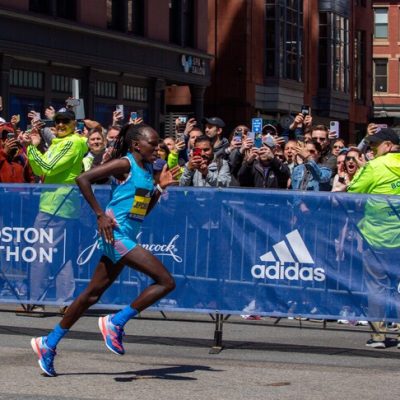
Among those sanctioned was reigning world marathon champion Peres Jepchirchir, 33, who was handed a three-year suspension alongside Veronica Loleo. Marathon runner Ronald Korir received a six-year ban for separate anti-doping rule violations.
The latest sanctions are a reminder of the growing challenge doping poses to athletics, particularly in East Africa, where distance running has produced some of the world’s leading athletes.
Kenya has recorded more than 140 athletes suspended by the AIU since 2017, with distance runners accounting for a significant number of the cases.
The situation serves as a warning to Uganda, which has also had athletes sanctioned for doping violations, despite recording relatively few cases in recent years.
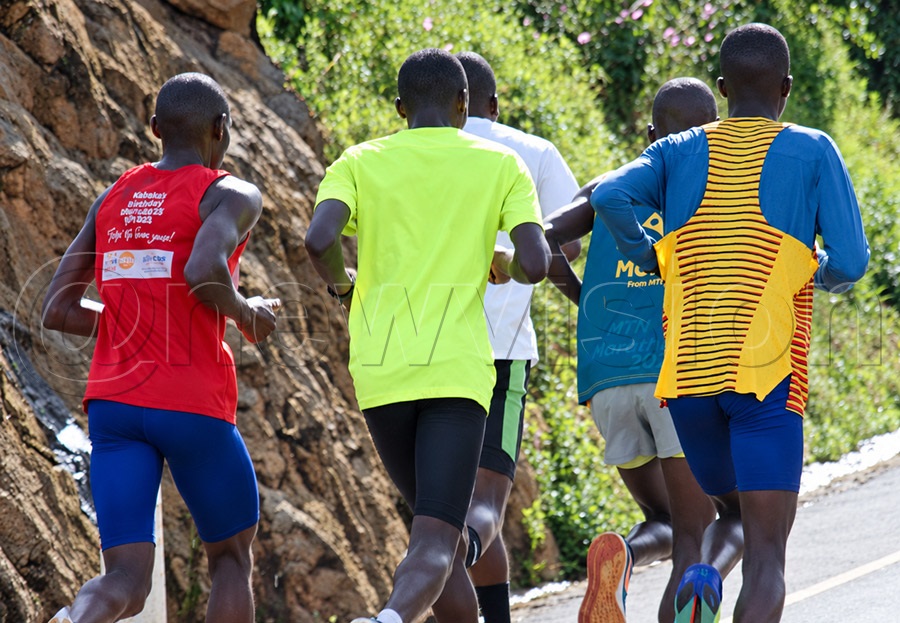
Several Ugandan athletes regularly travel to Kenya to train, raising the need for greater awareness about prohibited substances, supplements and the dangers of unknowingly violating anti-doping regulations.
Abdallah Muhammed, chairman of the coaches’ commission at Uganda Athletics (UA), says ignorance remains one of the biggest challenges in the fight against doping.
Muhammed says athletes and coaches need to take greater responsibility by understanding the substances they consume and the regulations governing their sport.
“Coaches need to be sincere with themselves. Do not pressure athletes to perform by giving them prohibited substances. Coaches need to research and know what they are giving athletes,” Muhammed said.
He adds that athletes should be encouraged to research products and seek professional guidance before using supplements or medication that could compromise their careers.
He points to established athletes such as Halima Nakaayi and Joshua Cheptegei as potential voices in promoting clean sport, arguing that their experience and influence could help discourage doping among emerging athletes.
“If we want to fight doping, we need to come together and rely on our elite athletes who have been on the world stage for a long time. They can help educate and guide the younger athletes,” he said.
Shadia Nakamanya, chief executive officer of the National Anti-Doping Organisation Uganda (NADO-U), says the organisation continues to conduct anti-doping education and testing for national team athletes and their support personnel.
As part of its capacity-building programmes, athletes are cautioned against taking substances without consulting their coaches and team doctors, while education remains central to preventing inadvertent doping violations.
With Uganda’s athletes increasingly competing internationally and training in different environments, stakeholders believe continued education, testing and accountability will be critical in protecting athletes’ careers and maintaining the country’s reputation in athletics.
The recent Kenyan cases, they say, should serve as a reminder that success on the track and road must be achieved through clean sport.