
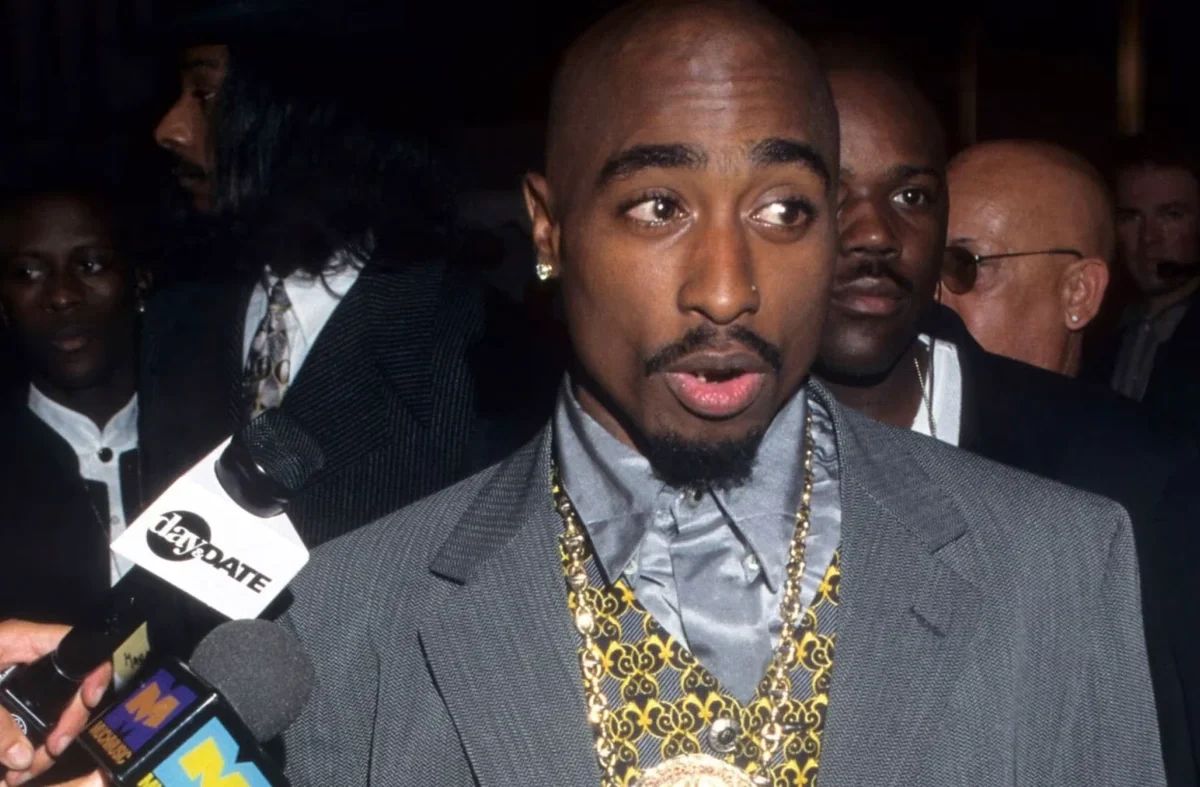
Nearly 30 years after Tupac Shakur was fatally shot in Las Vegas, the only person ever charged in connection with his killing is set to stand trial. Duane “Keffe D” Davis will face a jury beginning August 10, bringing one of hip-hop’s most infamous and heavily debated criminal cases into a courtroom after decades of unanswered questions.
Davis, 63, faces one count of murder with a deadly weapon intended to promote, further or assist a criminal gang. He has remained in custody since his September 2023 arrest and has pleaded not guilty. Prosecutors are not alleging that Davis fired the fatal shots, but they intend to prove that he organized the attack and supplied the weapon used in the drive-by shooting, according to The Associated Press.
Shakur was riding in a BMW driven by Death Row Records co-founder Marion “Suge” Knight on September 7, 1996, when a white Cadillac pulled alongside them near the Las Vegas Strip and opened fire. The rapper was struck multiple times and died six days later at the age of 25, while Knight survived with relatively minor injuries.
Prosecutors believe the shooting was retaliation for a fight earlier that evening at the MGM Grand. Shakur and members of his entourage were involved in an assault on Davis’ nephew, Orlando “Baby Lane” Anderson, shortly after attending a Mike Tyson fight. Authorities allege that Davis and others later searched for Shakur before encountering his vehicle at a red light.
A major part of the prosecution’s case will center on statements Davis made in interviews and in his 2019 memoir, Compton Street Legend. His defense unsuccessfully attempted to prevent the book and a recorded 2008 police interview from being introduced, arguing that portions of the memoir were fictionalized and that the earlier interview had been given under an immunity agreement.
The trial is expected to last approximately one month and could feature testimony from people connected to the investigation, Shakur’s family and the music industry figures surrounding the case. While the proceedings may not conclusively identify who pulled the trigger, they could finally provide new answers about the events that ended the life of one of hip-hop’s most influential artists.