
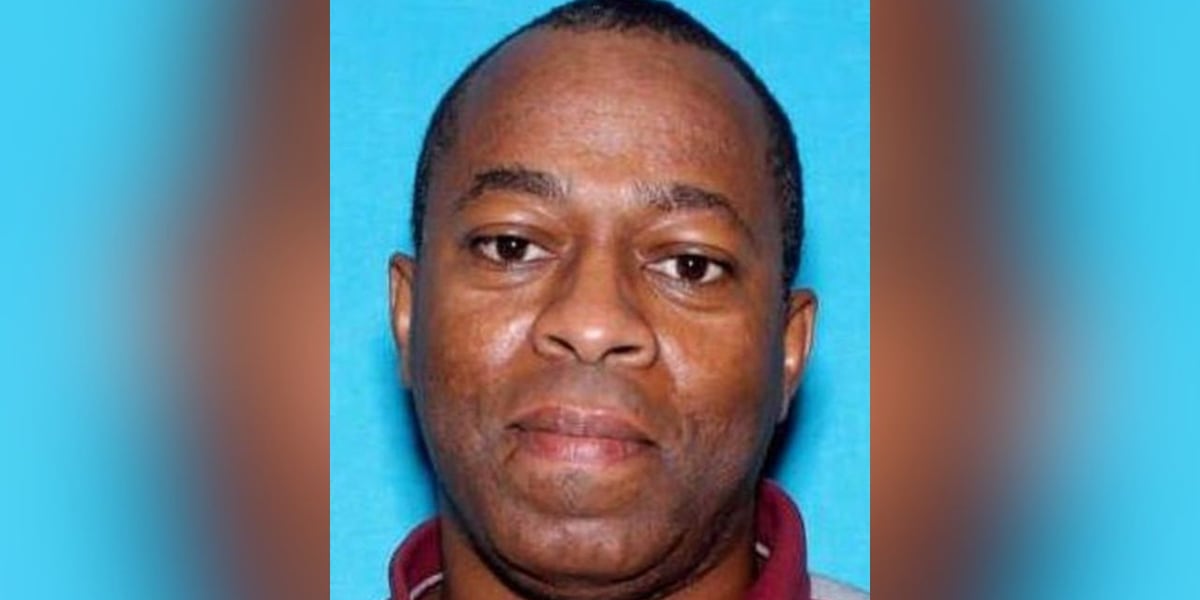
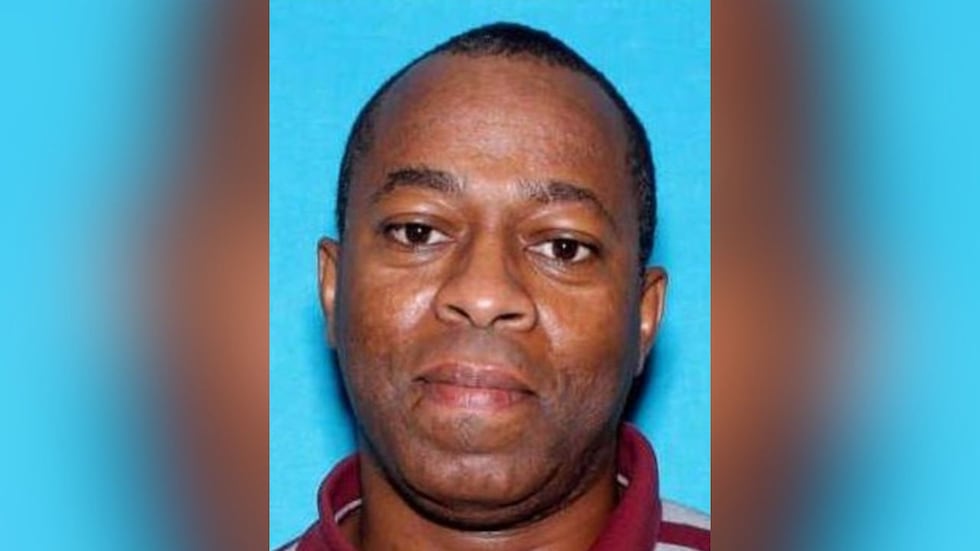
SHELBY COUNTY, Ala. (WBRC) – The U.S. Supreme Court on Monday refused to take up an Alabama death-penalty case involving Michael Anthony Powell, leaving in place a state appeals court decision that threw out Powell’s conviction.
Two justices — Samuel Alito and Clarence Thomas — said the Court should have stepped in. In a written dissent, Alito argued the Alabama appeals court misapplied U.S. Supreme Court precedent about what prosecutors can and can’t say during closing arguments.
Case background
Powell was convicted of first-degree murder and sentenced to death for the shooting of an Alabaster gas station attendant during a robbery, according to the dissent.
The state’s evidence included:
- Security-camera footage showing a suspect approaching the gas station from an apartment building and returning shortly after the shooting.
- Identifications from two apartment-building employees and a driver who later picked Powell out of a photo lineup.
- A box of ammunition found at Powell’s girlfriend’s house that the state said matched a shell casing at the scene.
Alito’s dissent also describes a separate episode where Powell, while jailed before trial, allegedly tried to point blame elsewhere by arranging for another inmate to write a false confession letter.
The issue: a disputed remark to the jury
At trial, Powell’s attorney argued the state never found the murder weapon.
In response, the prosecutor told jurors there was “only one person” in the courtroom who knew where the gun was — while pointing toward Powell.
Defense attorneys objected, arguing the prosecutor was improperly commenting on Powell’s decision not to testify.
The trial judge accepted the prosecutor’s explanation that he was referring to the letter (which suggested Powell knew where the gun was), not to Powell’s silence. The prosecutor then referenced the letter again in front of the jury.
Why the Alabama appeals court reversed
The Alabama Court of Criminal Appeals later ruled the prosecutor’s remark amounted to a direct comment on Powell’s right not to testify and said that required reversal.
Why Alito disagreed
Alito said the Alabama court’s decision conflicts with a U.S. Supreme Court case, United States v. Robinson (1988).
In that case, the Court said a prosecutor violates the Fifth Amendment when they invite jurors to hold a defendant’s silence against them. But it also said there’s no constitutional violation when the prosecutor’s comment is a fair response to a point raised by the defense.
Alito also said appellate judges shouldn’t replace the trial judge’s reading of an ambiguous statement made during trial.
Because the Supreme Court declined to hear the case, Alito’s view did not carry the day — and the Alabama appeals court ruling remains in effect.
What the Supreme Court did (and didn’t) decide
The Supreme Court’s action is not a ruling on whether Powell is guilty or innocent. It simply means the justices chose not to review the Alabama court’s decision.
Alito said the Court could have at least sent the case back to Alabama to clarify whether the decision rested on state law, federal law, or both — but the Court did not.
Get news alerts in the Apple App Store and Google Play Store or subscribe to our email newsletter here.
Copyright 2026 WBRC. All rights reserved.