
United States Secretary of State Marco Rubio unequivocally declared that no Ebola patients will be permitted entry onto American soil, simultaneously revealing advanced negotiations to construct a specialized American medical treatment facility within the sovereign borders of Kenya.
The shocking revelation has ignited a diplomatic firestorm, balancing the aggressive domestic protectionism of the Trump administration against the strict public health protocols of Kenya. As the Ministry of Health navigates the politically volatile arrangement, public outrage mounts over the terrifying prospect of East Africa serving as a biological containment zone for infected Western expatriates.
The Fortress America Doctrine
During a high-level cabinet meeting convened by President Donald Trump at the White House on Wednesday, Secretary Rubio articulated a rigid, uncompromising approach to the escalating Ebola outbreak in Central Africa. Protecting the American homeland has been designated as the absolute foreign policy priority of the administration.
We cannot and will not allow any cases of Ebola to enter the United States, Rubio stated emphatically to the press pool. He confirmed that the State Department and federal health agencies are deploying massive resources to forcefully contain the crisis to the African continent, thereby eliminating any risk of a domestic outbreak in North America.
This isolationist health policy represents a stark departure from previous global health emergencies, where American medical personnel exposed abroad were routinely medevacked to specialized high-level biocontainment units located in cities like Atlanta and Omaha.
Diplomatic Negotiations in Nairobi
To circumvent the domestic entry ban, Washington has initiated intensive bilateral talks with the Kenyan government. The objective is to establish a bespoke, highly secure isolation and treatment facility in Nairobi specifically designed to manage American citizens—including diplomats, military personnel, and humanitarian workers—who contract the virus while operating in the Democratic Republic of the Congo.
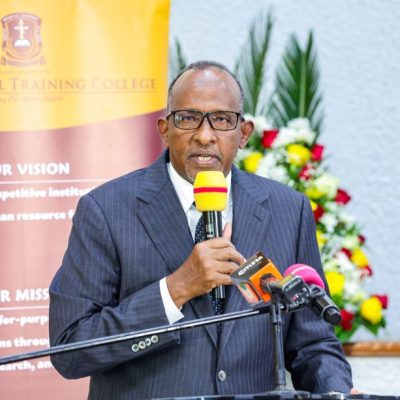
Kenyan Health Minister Aden Duale officially acknowledged the ongoing discussions regarding international preparedness and response mechanisms. However, he attempted to assuage growing domestic panic by asserting sovereign control over the ultimate decision.
Any arrangements regarding international health cooperation will be strictly guided by the national laws of Kenya, public health regulations, biosafety and biosecurity standards, and the fundamental responsibility of the government to safeguard the health and welfare of Kenyans, Duale stated in an official communique.
Public Outrage and Biosafety Concerns
The prospect of voluntarily importing one of the most lethal pathogens on earth into a densely populated African metropolis has generated fierce backlash. Civil society groups and political opposition figures in Kenya are accusing the government of sacrificing national security for diplomatic favors or financial aid from Washington.
Medical professionals at the Kenya Medical Association have raised profound concerns regarding the logistical realities of such a facility. Managing the highly infectious Bundibugyo strain requires absolute perfection in infection prevention controls.
- The facility would necessitate Level 4 Biosafety containment architecture, currently scarce in the region.
- Transporting highly infectious patients through Kenyan airspace and ground routes introduces catastrophic transmission risks.
- Waste disposal and the handling of contaminated biological materials pose an severe environmental hazard to the local population.
Critics argue that it is morally reprehensible for a global superpower to outsource the immense biological risks of its own citizens onto a developing nation with significantly fewer emergency healthcare resources.
The Epidemiology of the Outbreak
The urgency of the American negotiations is driven by the terrifying trajectory of the outbreak in the neighboring Democratic Republic of the Congo. The Bundibugyo species of the virus has rapidly infected over 1,000 suspected individuals, claiming more than 220 lives in a matter of weeks.
Unlike other viral hemorrhagic fevers, there is no globally approved vaccine or specialized therapeutic treatment for this specific strain. The virus spreads aggressively through direct contact with bodily fluids, placing frontline healthcare workers at the extreme apex of the risk pyramid. An American doctor operating in the Congo recently contracted the disease, underscoring the immediate vulnerability of Western medical volunteers in the hot zone.
The Future of Global Health Equity
The refusal of the United States to repatriate its sick citizens sets a chilling precedent for international health equity. Global health diplomats argue that isolating the African continent during a crisis breeds profound geopolitical resentment and completely undermines the collaborative spirit required to defeat a pandemic.
If the Kenyan facility is ultimately approved, it will stand as a controversial monument to a new era of global health diplomacy—one where wealthy nations utilize their diplomatic leverage to establish offshore medical sanctuaries, actively shifting the deadliest burdens of global disease onto the shoulders of the developing world.