
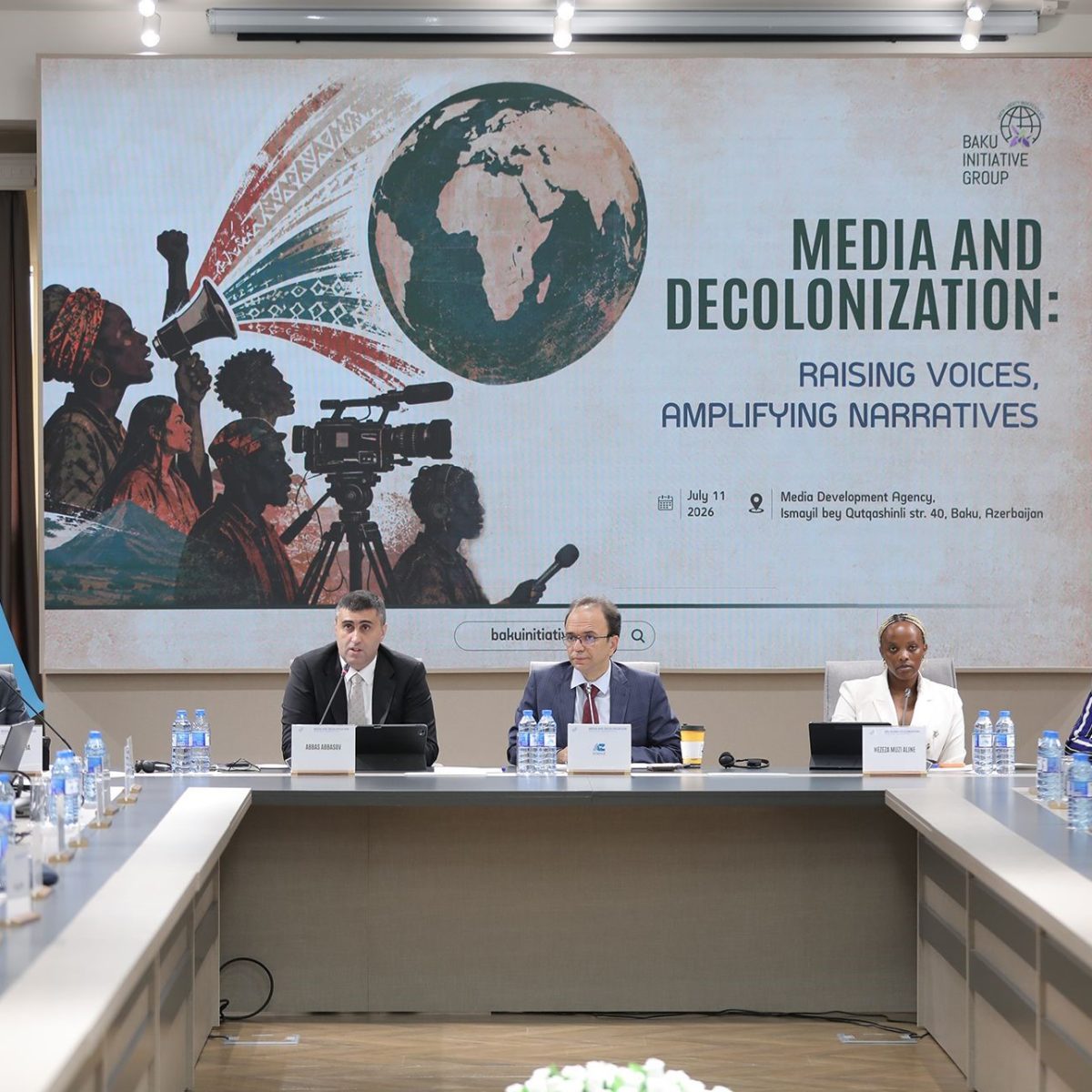
Journalists, diplomats, communication experts, and civil society leaders from current and former colonial territories converged in Baku, Azerbaijan, on Saturday for an international conference examining how the media can advance global decolonisation efforts and amplify the voices of Indigenous peoples and communities seeking self-determination.
The conference, themed “Media and Decolonization: Raising Voices, Amplifying Narratives,” was organised by the Baku Initiative Group and attracted heads of media organisations, researchers, government officials, and representatives from territories with colonial histories.
Participants said the gathering would serve as a platform to strengthen international cooperation, counter misinformation surrounding colonial issues, and ensure that the experiences and aspirations of people living in current and former colonial territories receive wider global attention.
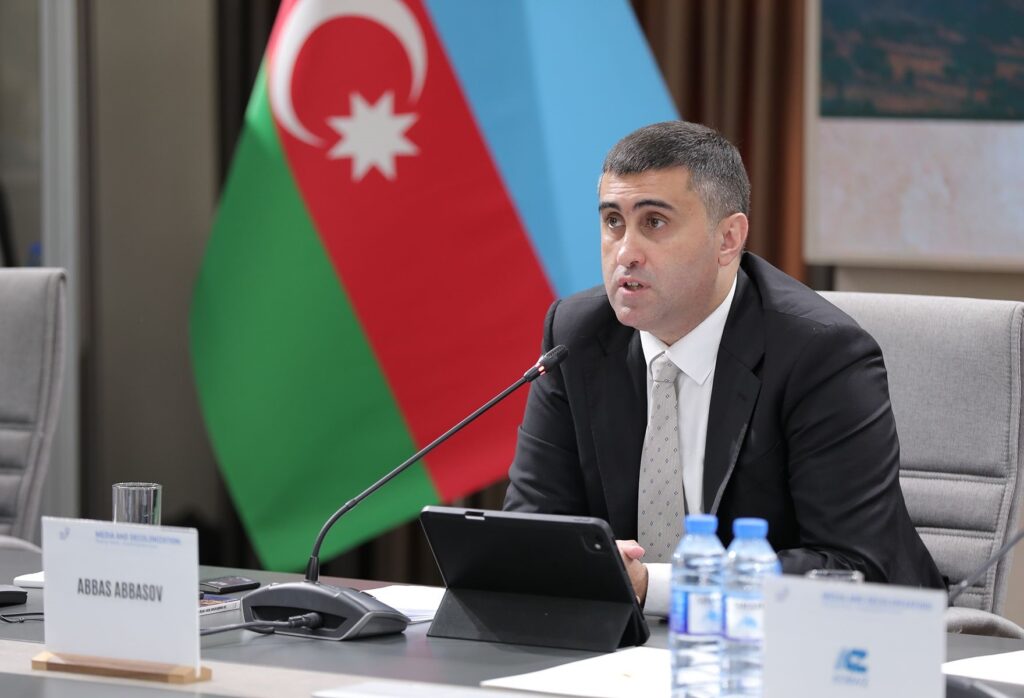
Opening the conference, Executive Director of the Baku Initiative Group, Abbas Abbasov, said the media remained a powerful instrument for exposing the realities of colonialism, promoting historical justice, and supporting peoples’ legitimate aspirations under international law.
The conference featured two high-level sessions focusing on the evolving role of journalism and digital technology in decolonisation discourse.
During the first session, “Media as a Tool for Raising International Awareness on Decolonization,” participants examined how traditional media, digital platforms, and artificial intelligence are reshaping the global information ecosystem.
Speakers noted that emerging technologies have expanded opportunities to amplify underrepresented voices while providing more accurate accounts of the realities faced by communities living under colonial administration or dealing with the legacies of colonialism.
Discussions also highlighted the growing role of artificial intelligence in communication, fact-checking, combating fake news, and countering disinformation, stressing that responsible deployment of AI could strengthen credible journalism rather than undermine it.
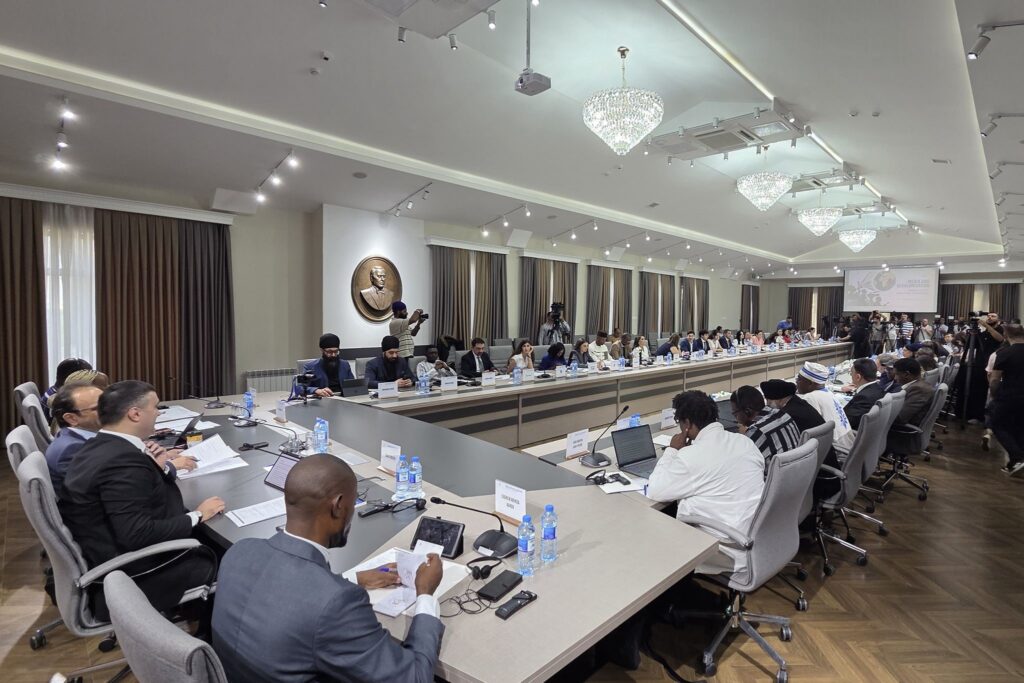
Participants agreed that combining professional journalism with emerging digital technologies would enable decolonisation narratives to reach broader international audiences while improving public understanding of historical and contemporary colonial issues.
The second session, titled “The Role of International Media in Amplifying the Voices of Indigenous Peoples and Territories Seeking Self-Determination,” focused on the responsibility of global media organisations to provide fair, balanced, and inclusive coverage of Indigenous peoples and ethnic minorities.
Delegates argued that independent journalism plays a critical role in informing the international community about the aspirations, rights, and challenges confronting people living in colonial territories.
They stressed that greater visibility in international media would help ensure that the perspectives of Indigenous communities are reflected more accurately in global conversations on human rights, self-determination, and sustainable development.
Participants also called for stronger collaboration among journalists, researchers, civil society organisations, and international media institutions to improve reporting on colonial legacies and support evidence-based public discourse.
The conference forms part of a broader series of international engagements organised by the Baku Initiative Group to promote dialogue on colonialism, human rights, and self-determination.
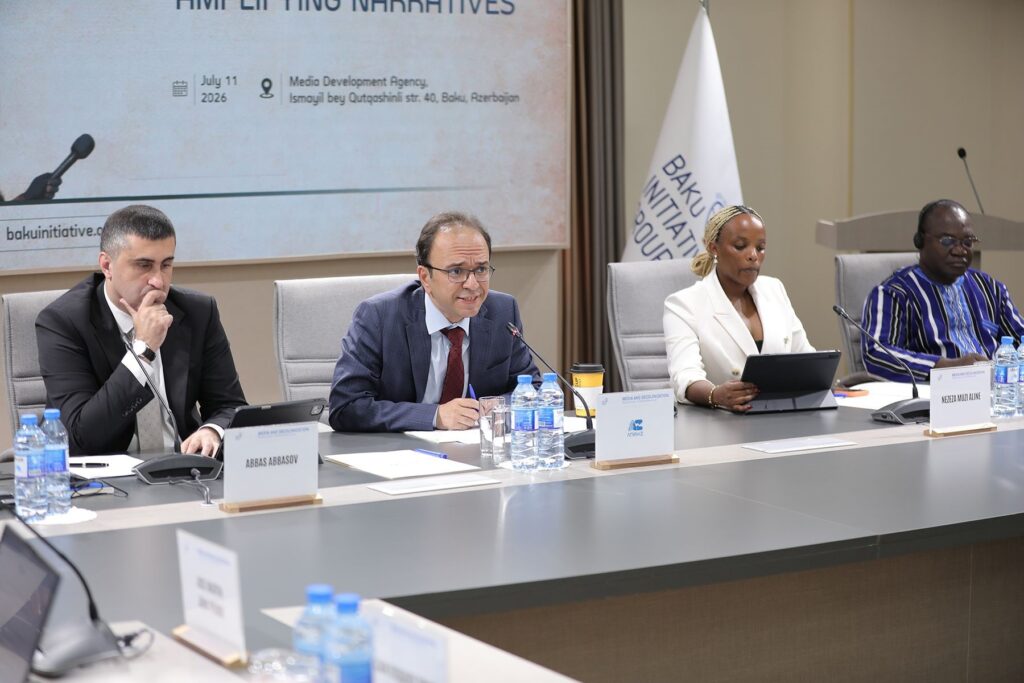
Established in July 2023 during a ministerial meeting of the Non-Aligned Movement in Baku, the Baku Initiative Group is an international non-governmental organisation that advocates for people living under colonial and neo-colonial systems, supports Indigenous communities, and promotes the right to self-determination in accordance with international law.
Since its establishment, the organisation has organised dozens of international conferences and policy dialogues, including events at United Nations venues, while publishing reports and research on colonialism, human rights, and decolonisation. Its activities span Africa, the Caribbean, the Pacific, South America, and other regions where colonial legacies remain subjects of international concern.
The organisers said resolutions and recommendations from the conference would contribute to ongoing international conversations on the role of independent media in promoting historical justice, protecting human rights, and ensuring that communities affected by colonialism are heard in global decision-making processes.
By Dare Akogun