

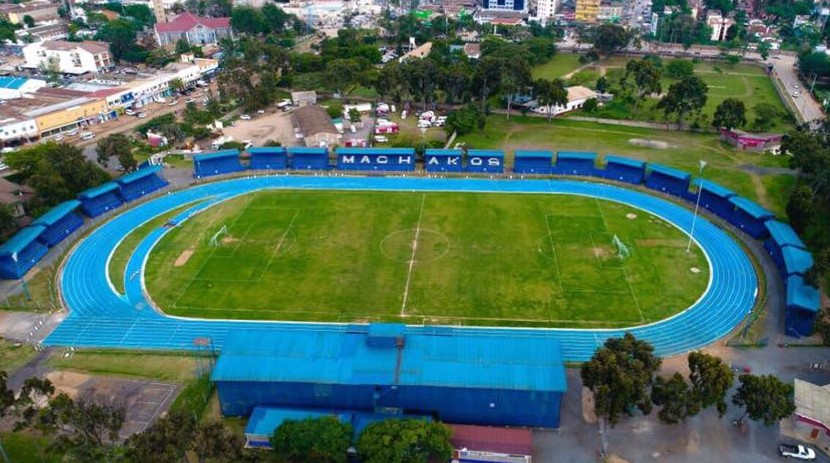
Extreme weather should not catch Kenya by surprise. Instead, it should serve as an opportunity to strengthen infrastructure planning and invest in facilities that are built for changing climate condit
Traditionally, the period between June and October marks Kenya’s cool and relatively wet season, providing much-needed rainfall that sustains the country’s natural grass playing surfaces. This year, however, the Kenya Meteorological Department has forecast significantly reduced rainfall across much of the country during this period, a prediction that should concern not only farmers but also sports administrators, stadium managers and grounds maintenance teams.
At first glance, it may appear to be an ordinary weather forecast. Yet for those responsible for maintaining football pitches, it presents a major operational challenge. Most stadiums hosting FKF competitions still rely heavily on natural rainfall to keep their playing surfaces in good condition. Only a handful are equipped with modern irrigation systems capable of sustaining quality pitches during prolonged dry spells.
Ironically, the delayed start to the domestic football season could provide groundskeepers with valuable extra time to prepare playing surfaces before the opening fixtures. However, without reliable irrigation infrastructure, maintaining healthy pitches throughout the season could prove difficult if the dry conditions persist.
Adding to the uncertainty are forecasts pointing to the possibility of heavy rainfall and El Nino conditions later in the year. While drought threatens the quality of playing surfaces, excessive rainfall presents an equally serious problem. Many Kenyan stadiums struggle with poor drainage, resulting in waterlogged pitches and postponed matches whenever heavy rains occur. Even some of the country’s recently renovated facilities have experienced drainage challenges, raising concerns about the quality of design and construction.
These weather extremes expose a broader issue in Kenya’s sports infrastructure planning. As the country continues to invest billions of shillings in constructing and renovating new/old stadia, greater emphasis must be placed on climate resilience. Modern sporting facilities should incorporate efficient irrigation systems, high-quality drainage networks and turf management technologies that can withstand both prolonged dry spells and intense rainfall.
The timing could not be more critical. Kenya is preparing to co-host the 2027 Africa Cup of Nations (AFCON), an event that will place the country’s sporting infrastructure under intense international scrutiny. Every aspect of the venues, from pitch quality to drainage and overall stadium management, will be assessed against continental standards.
Extreme weather should not catch Kenya by surprise. Instead, it should serve as an opportunity to strengthen infrastructure planning and invest in facilities that are built for changing climate conditions.
The question is whether these lessons will be acted upon before the continent arrives in 2027.