

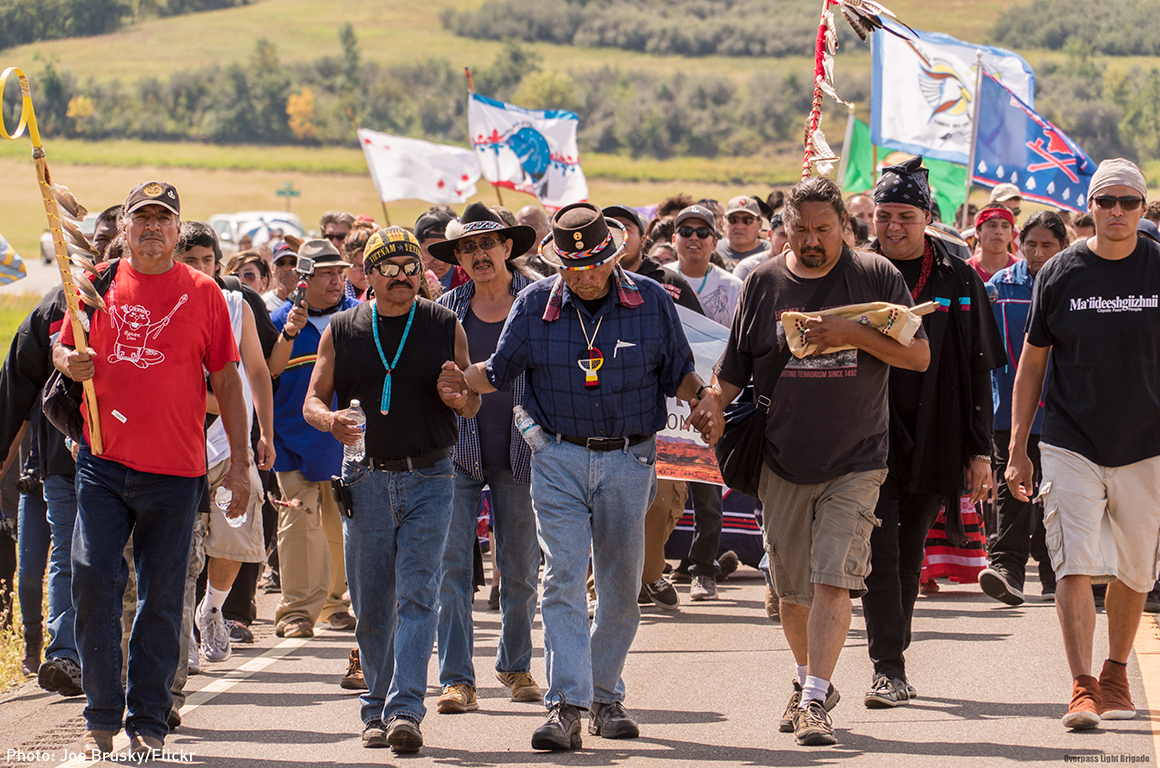
The Dakota Access Pipeline project, approved in January 2016, was designed to transport crude oil from the Bakken region of North Dakota through South Dakota, Iowa, and into Illinois. The pipeline’s construction has been met with significant controversy and ongoing legal challenges.
Initial Protests and Law Enforcement Response
During protests at Standing Rock, law enforcement utilized tactics including water cannons, sound cannons, and concussion grenades to disperse demonstrators. Reports indicate approximately 300 protesters sustained injuries during these events, which occurred in freezing temperatures. A large presence of law enforcement personnel and National Guard troops from numerous agencies created a heightened atmosphere at the protest site.
Tribal Solidarity and Global Support
The Standing Rock Sioux Tribe’s opposition to the pipeline garnered widespread support, drawing thousands of individuals from across the globe to stand in solidarity. The protests united over 200 tribes, a level of collaboration not seen for more than 150 years.
Ongoing Legal Challenges
In June 2025, the Standing Rock Sioux Tribe appealed a federal judge’s decision to dismiss their lawsuit against the U.S. Army Corps of Engineers. The tribe maintains that the pipeline lacks a valid federal easement to cross under Lake Oahe and that its continued operation violates federal law. The core of the legal dispute centers on tribal sovereignty and water rights.
Impact on Protest Laws
Following the mobilization at Standing Rock, several states have enacted or advanced legislation that criminalizes protest activities, particularly those opposing fossil fuel projects. These laws disproportionately affect Indigenous-led movements and environmental advocates who are challenging the destruction of culturally significant lands and water resources. Advocates emphasize the importance of understanding and defending constitutional rights to free speech and peaceful assembly in the face of these increasingly restrictive laws.