
Africa’s Path Forward: Green Industrialization as Key to Sustainable Development
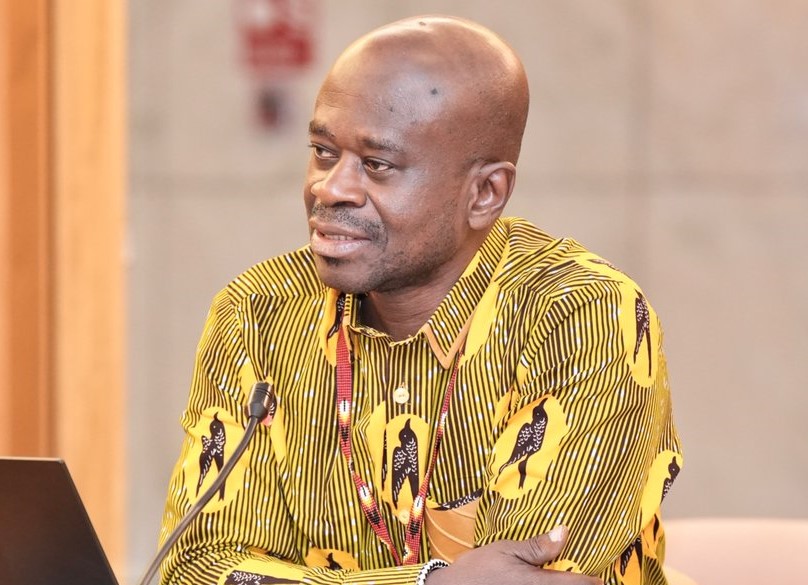
Nairobi, Kenya – Nana Dr. Antwi-Boasiako Amoah, Chair of the African Group of Negotiators (AGN), has urged African leaders to prioritize a development model that seamlessly integrates economic transformation with robust climate action. Addressing a United Nations Development Programme (UNDP) side event during the 12th session of the Africa Regional Forum on Sustainable Development in Kenya, Dr. Amoah emphasized that Africa should not be forced to choose between industrialization and climate ambition.
“Our message is clear: Africa needs green industrialization – a model that fosters cleaner, more resilient, and job-rich growth,” he stated.
Despite contributing the least to climate change, Africa disproportionately bears the brunt of its impacts. Dr. Amoah highlighted the urgent need to place industrialization at the forefront of global climate negotiations, noting that the continent is currently building its industries while simultaneously expanding access to energy.
Protecting Development Space and Ensuring Fair Trade
Dr. Amoah stressed that any climate outcome must safeguard Africa’s development space, uphold the principles of equity and common but differentiated responsibilities, and strengthen support through finance and technology transfer. He cautioned against policies like carbon border adjustments, warning that these measures could negatively impact Africa’s export competitiveness if not designed fairly.
To mitigate these risks, he called for improved domestic capacity, including access to affordable clean energy, robust emissions data systems, and enhanced standards and certification frameworks. He also urged international partners to ensure climate-related trade rules don’t penalize developing economies without adequate support.
Leveraging Critical Minerals and Driving Value Addition
Africa’s vast reserves of critical minerals present a significant strategic opportunity for industrialization. Dr. Amoah argued that the continent must move beyond simply exporting raw materials and focus on value addition through processing, manufacturing, and recycling.
“The real prize lies not only in extraction, but in the jobs and industries built across the entire value chain,” he explained, advocating for deeper technology transfer, joint research initiatives, and the development of local manufacturing capacity.
Policy Alignment, Bankable Projects, and Sustainable Financing
Dr. Amoah urged African nations to align policies across key sectors like energy, industry, finance, and climate. He also emphasized the need to develop bankable project pipelines in areas such as agro-processing, clean energy technologies, and construction materials.
Regarding financing, he reiterated the need for predictable, grant-based funding for adaptation and highly concessional finance for mitigation and industrial transformation, coupled with stronger accountability mechanisms. He underscored that technology transfer should empower Africa to manufacture, not just import, essential technologies.
Green Industrialization: A Just Transition for Africa
Concluding his remarks, Dr. Amoah firmly stated, “A just transition for Africa is not deindustrialization. It is green industrialization.” He urged global partners to support a future where Africa adds value to its resources and participates equitably in the global climate economy.
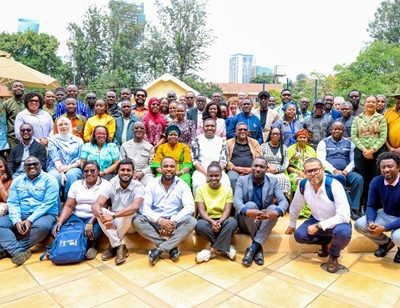
The event, attended by policymakers, development partners, and experts, facilitated discussions on pathways for aligning climate action with sustainable development across the continent.
Source: GNA