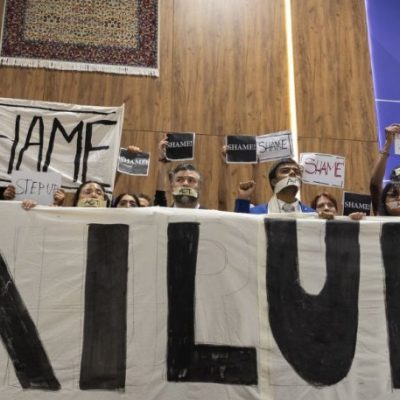

Failure of COP 31 held in Antalya, Turkiye, should not make us forget the urgent need to bolster efforts to limit global warming, adapt to the impact of climate change and mobilise finances for these activities.
The global community should act with urgency in reducing emissions, fulfilling its obligations, honouring its promises and supporting Africa in addressing climate change.
One of the biggest frustrations for African countries in the fight against climate change is lack of finances. Solutions are required to unlock huge resources for climate action in Africa. For Africa to meet climate goals finances are essential.
Noteworthy, Africa has the programmes, investment pipelines and delivery frameworks in place. What it needs now is climate finance on fairer terms, backed by firm commitments and action. African countries face mounting climate impacts alongside limited access to affordable finance.
Consider what the continent is dealing with; African accounts for roughly 4 per cent of global house gas emissions, yet climate extremes are slashing their economies every year. Climate-related impacts are costing some countries between 2 and 5 per cent of GDP, while some are diverting as much as 9 per cent of their national budgets to respond to extreme weather events.
The continent receives a meager 2 per cent of global climate finance, which is around $30 billion a year, against an estimated USD 277 billion needed to implement the national climate plans. Additionally, most of it arrives as loans that push vulnerable nations closer to debt distress.
Climate financing is supposed to ease these pressures rather than deepen them while supporting investment in resilience, energy access and economic growth. However, that does not seem to be the case. The strain that high borrowing costs already place on resources needed for essential services and development.
African countries must not be seen as essential partners of global decarbonization, holding critical minerals, solar potential, young workforce and ecosystems the world needs. The COP 31 must deliver bold commitments to address climate change-provide resources needed to protect lives and livelihoods and address Africa’s priorities.
At the same time, and equally concerning, a lot of finances is going to mitigation measures, yet Africa’s priority is adaptation finance. For climate finance to benefit Africa, it should be at least fifty-fifty – mitigation and adaptation.
A recent UNEP Adaptation Gap Report delivered a devastating verdict: developing nations including African countries face adaptation needs that are more than 10 times higher than what they currently receive to survive a warming world. Africa received $15 billion for adaptation in 2023, down from USD 16 billion the previous year, against an annual requirement of at least USD 70 billion.
COP 31 must accept Africa’s push for grant-based adaptation finance to invest in among other essential areas; resilient agriculture, early warning systems and urban flood defenses. Make no mistake, investment in adaptation yields economic benefits.
More should be done to implement different pathways for financial structures that can deliver on Africa’s goals. Also, there is need for more commitment and investments in viable solutions by renewable energy, green industrialisation, climate smart agriculture and nature conservation.
The 28th UN Climate Change Conference (COP28) in Dubai in 2023, agreed on the operationalization of loss and damage fund to provide crucial financial support to vulnerable nations facing the brunt of climate change effect. Pledges made to the fund totaled USD 772 million. But this is a drop in the ocean especially is we consider the total amount of finance needed for loss and damage is estimated to reach USD 580 billion annually.
Many African countries are affected by climate effects, yet they contribute less than 4 per cent to global warming. That is why, more should be done to increase loss and damage fund, and for African countries to secure the funds. Also, more efforts are required to ensure transparent, inclusive funding structures for direct access to the fund by African countries that are vulnerable.
Equally important, Africa needs more climate finance flow through sustainable channels that won’t load African economies with more debt. The funding must be rooted in “equity and historical responsibility” rather than mechanisms that increase African countries’ debt burdens. This represents a fundamental shift from viewing climate finance as loans to recognising it as compensation for historical emissions primarily from developed nations.
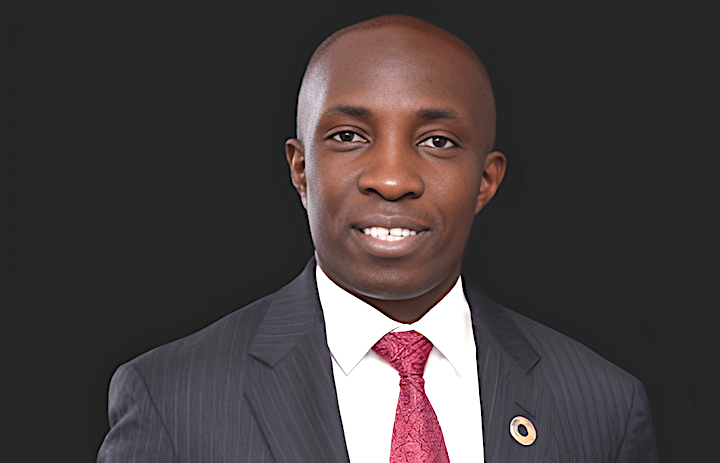
Mr Obonyo is a public policy analyst. Email: [email protected]
Disclaimer: “The views expressed on this site are those of the contributors or columnists, and do not necessarily reflect TheNigerianVoice’s position. TheNigerianVoice will not be responsible or liable for any inaccurate or incorrect statements in the contributions or columns here.”