
African governments face mounting pressure to connect climate early-warning systems with social protection programmes as risks associated with the 2026 El Niño threaten livelihoods, food security and essential public services. The African Union has called for coordinated anticipatory action against climate hazards, while UNICEF has updated guidance on strengthening social protection systems to respond to climate shocks. The two initiatives highlight a central challenge for African economies: ensuring that forecasts trigger timely financial assistance and public services before droughts, floods and related disruptions push vulnerable households into deeper hardship.
The policy shift reflects growing recognition that climate hazards extend beyond environmental damage. When harvests fail, food prices rise or flooding disrupts transport and water supplies, the effects can spread through household incomes, nutrition, school attendance and public health. For governments, the resulting pressures can increase demands for emergency assistance and reconstruction at a time when fiscal resources are already stretched. Whether institutions can respond before losses escalate will therefore influence both community resilience and the cost of managing climate-related crises.

In July, the African Union issued a policy brief calling for coordinated action against climate hazards following the 21st African Continental Climate Outlook Forum, held in Lusaka from June 15 to 19. The forum brought together about 70 experts from climate institutions and user communities across Africa’s regional economic communities and produced a continental forecast for July to October. The forecast was intended to support decisions on early action, linking climate information with the needs of governments and communities exposed to weather-related risks.
However, forecasts have limited practical value if they do not lead to operational decisions. Authorities need to translate climate information into funding allocations, updated beneficiary records, payment instructions and measures to protect essential services. Without these arrangements, assistance may arrive only after households have lost income, exhausted savings or sold productive assets to meet immediate needs.
UNICEF’s updated 2026 programme guidance addresses this gap by examining how social protection systems can prepare for, respond to and recover from climate and other shocks while protecting children’s rights. Its accompanying operational note on climate change is intended to help governments integrate climate risks into existing social protection programmes rather than establish separate emergency arrangements each time a disaster occurs.
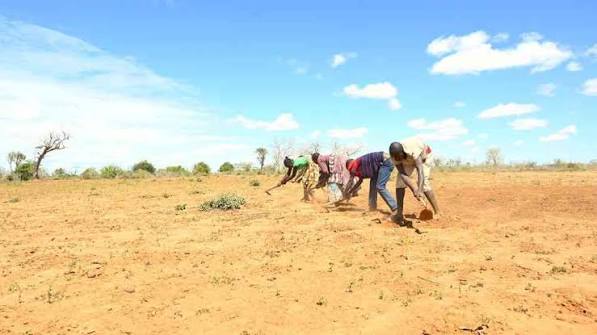
For households, the distinction can determine whether assistance arrives while there is still an opportunity to prevent lasting losses. A family affected by drought may face reduced agricultural income alongside higher food costs. Flooding can damage homes, contaminate water sources and interrupt children’s education. Heat and water stress can reduce labour productivity and place additional pressure on health facilities. These effects often occur together, making isolated interventions less effective than coordinated support that addresses several household needs at once.
The scale of exposure is particularly significant in Eastern and Southern Africa. According to UNICEF’s regional financing brief, more than 50 million children are exposed to multiple climate and economic shocks, while shock-responsive mechanisms remain at an early stage in many countries. The brief says 10 countries in the region have yet to integrate shock-response mechanisms into national social protection systems. Where arrangements exist, they often depend on external financing, limiting governments’ ability to expand assistance quickly and predictably when conditions deteriorate.
The financing gap is also an institutional challenge. Governments need to establish in advance which conditions trigger assistance, how much money can be released, who qualifies for support and which systems will deliver payments. If these decisions are deferred until a disaster occurs, emergency procurement and humanitarian appeals can become the default response. By contrast, pre-arranged rules and financing can allow authorities to respond more quickly using established national systems.
UNICEF’s regional brief identifies several financing options, including contingency budgets, reserve funds, parametric insurance, catastrophe bonds and drawdown facilities. Each comes with different costs and risks. Budget reserves provide governments with direct control over resources but compete with other public spending priorities. Insurance and contingent credit can provide pre-arranged liquidity, although premiums, trigger conditions and repayment obligations require careful assessment. The central question is whether funds can be made available when households need them without creating unsustainable fiscal commitments or excluding communities that are poorly represented in administrative records.
For finance ministries, this makes climate-responsive social protection part of broader public financial management. Early intervention may help households maintain food consumption, keep children in school and avoid distress sales of livestock, tools or other productive assets. Such support can reduce the secondary economic losses that follow a climate shock, although its effectiveness depends on adequate funding, timely delivery and benefits that retain their purchasing power as prices change.
Social protection should not, however, be treated as a substitute for investment in physical resilience. Cash transfers cannot replace flood-resistant roads, reliable water systems, functioning clinics or resilient schools. Instead, they can help households manage the consequences when infrastructure and essential services are disrupted, while complementary public investment reduces exposure to future hazards. The two approaches serve different purposes but are closely connected in communities where climate shocks affect both livelihoods and access to services.
Implementation remains difficult. Social registries can become outdated as people move in search of work, leave areas affected by drought or relocate after floods. Digital payment systems may speed up transfers but still exclude people without identification, reliable connectivity or access to financial services. Inflation can also erode the value of benefits if payment levels are not adjusted to changing household costs. Effective systems therefore require regular updates to beneficiary data, accessible grievance mechanisms, safeguards for personal information and coordination between national authorities and local administrations.
Governance is equally important. Repeated reliance on emergency responses can fragment responsibility across humanitarian agencies, social protection departments, disaster management authorities and local governments. Integrating shock response into national systems can clarify accountability and strengthen budget planning, but only if agencies have defined responsibilities and can share relevant climate and household information. Local institutions must also have the authority, staff and resources to act on national warnings.
The implications extend to Africa’s climate finance agenda. Governments have increasingly sought international financing to adapt to climate change and address losses that cannot be prevented. UNICEF’s regional brief argues that climate financiers should recognise social protection’s contribution to adaptation, mitigation and loss and damage. For African governments, the challenge will be to translate that case into costed programmes, clear eligibility rules, measurable triggers and auditable spending. Demonstrating how funds reach exposed households and reduce the effects of climate shocks will be important to establishing social protection as a credible component of adaptation planning.
Development partners also face a choice over how assistance is structured. Financing parallel emergency mechanisms may provide short-term relief, but it can leave governments with fragmented systems and limited capacity once a project ends. Supporting national registries, payment infrastructure, contingency financing and local delivery arrangements could help countries respond to successive shocks through institutions that remain in place between emergencies.
The 2026 El Niño risk therefore tests more than the accuracy of Africa’s climate forecasts. It tests whether governments can connect early warnings to financing, public services and household support before losses become more severe. The African Union’s call for coordinated anticipatory action and UNICEF’s guidance on shock-responsive social protection point towards the same institutional requirement: climate information must lead to decisions that can be implemented quickly.
For African governments, the immediate task is to link climate services with social registries, pre-arranged finance and clear delivery procedures. For finance ministries, that means deciding how assistance can be funded without undermining fiscal stability. For local authorities, it means having the resources and authority to reach vulnerable communities. The practical measure of resilience will be whether an early warning changes what institutions do in time to protect livelihoods, sustain essential services and reduce the economic costs of climate-related shocks.
Was this article helpful?