
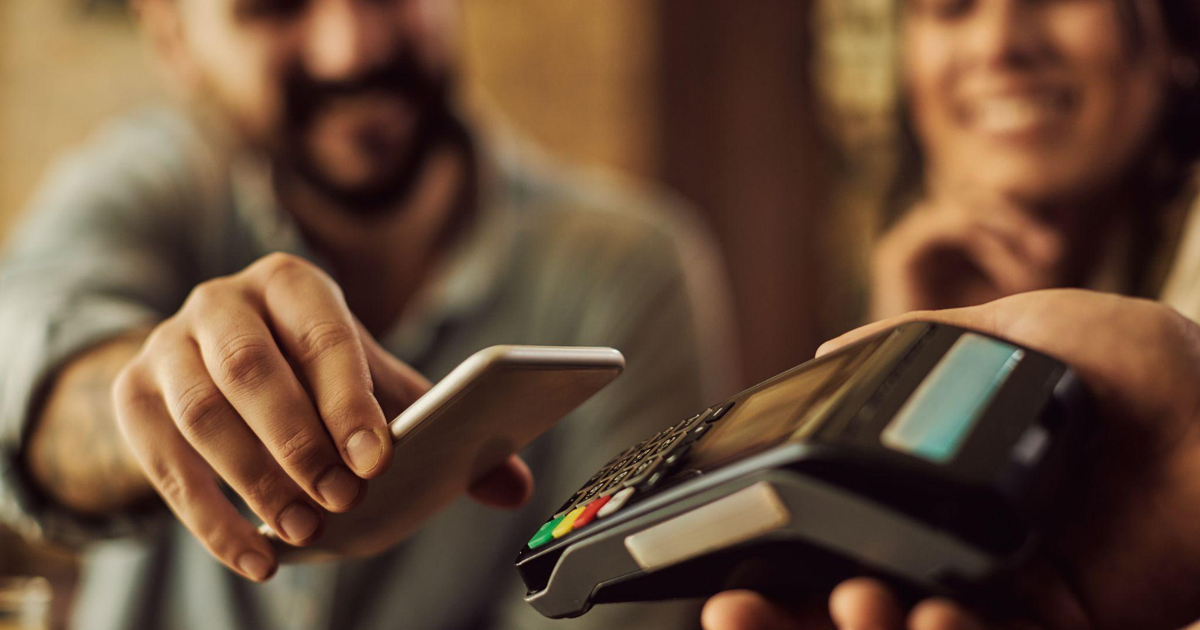
M-Pesa processed over $450 billion in transactions in 2025. It started in 2007 as a way to repay microloans via SMS. Today it pays for streaming subscriptions, gaming top-ups, and online platform access across Kenya, Tanzania, Uganda and beyond. The infrastructure that was built for financial inclusion quietly became the infrastructure for digital entertainment, and the industry is only now catching up to what that means.
Africa’s shift from passive consumer to active digital participant is happening faster than most analysts predicted, and it is being driven not by desktop broadband but by the smartphone in someone’s pocket on a Nairobi matatu or a Lagos bus. Recent industry analysis has increasingly pointed to fintech innovation and mobile payment adoption as one of the key forces accelerating Africa’s mobile gaming and digital entertainment boom.
The Numbers Behind the Shift
Kenya, Nigeria, and South Africa collectively generated over $600 million in gaming revenue in 2024, according to PwC’s Africa Entertainment and Media Outlook 2025–2029. South Africa led with $296 million, but Nigeria posted the highest growth rate at 7.4% CAGR, driven almost entirely by mobile access, with more than 80% of its population connecting to the internet via smartphone.
Kenya’s broader entertainment and media sector grew 7.1% in 2024, outperforming global averages. Its gaming market alone reached $153 million and is projected to keep expanding at 6.9% annually through 2029. Crucially, PwC attributes this directly to smartphone affordability and the integration of mobile money platforms like M-Pesa — not to a sudden surge in disposable income or infrastructure investment, but to the frictionless link between mobile payment and digital product, supported by the rapid expansion of mobile payment infrastructure in Kenya, where telecom companies continue investing heavily in digital transaction systems.
That frictionlessness is the key variable. In markets where traditional banking is inaccessible or inconvenient, the ability to top up a gaming or entertainment platform the same way you send money to a relative has removed the single biggest barrier to entry.
What “Digital Leisure” Actually Looks Like Here
It is worth being specific about what African users are actually doing online in their leisure time, because the picture is more varied than the headlines suggest.
Streaming is growing, Kenya’s OTT market is projected to nearly double in revenue by 2029, supported by ad-funded tiers that keep costs accessible. Social media engagement is among the highest in the world by time spent, particularly on TikTok and YouTube. Mobile gaming, casual, social, and increasingly competitive, is expanding rapidly across all three major markets, with esports beginning to attract meaningful investment in South Africa and Nigeria.
And then there is online casino and gaming platforms, a segment that has quietly become one of the most structurally interesting in the region. In more established regulated markets, operators like Admiral Casino — operating under the UK Gambling Commission’s framework — have built their entire product around the mobile-first, entertainment-led user: quick access, varied content, and seamless payment. That model maps almost exactly onto what African consumers are now demanding from digital leisure platforms. The product architecture that works in Birmingham or Manchester is not identical to what works in Lagos, but the underlying design logic, mobile-first, frictionless payments, entertainment rather than pure transaction, translates.
South Africa offers the clearest view of where this leads. The country recorded a gambling turnover of R1.5 trillion in the 2024/25 financial year, up from R1.1 trillion the year before. Online betting accounted for 60% of gross gambling revenue. Traditional casinos, by contrast, are losing ground to digital channels, a structural shift, not a blip.
The Mobile-Native Consumer
Africa’s digital boom is not happening in spite of its consumer base, it is being shaped by it. Across Nigeria, Kenya, and South Africa, the dominant internet user is mobile-native: someone who has never had a meaningful relationship with a desktop browser, for whom the smartphone is the default screen for everything from banking to entertainment.
Nigeria makes this concrete. With an estimated 60 million people engaging with some form of digital gaming or online entertainment daily, the market’s scale reflects a population that treats the phone as its primary leisure device. There is no nostalgia for television schedules or physical venues. The phone is the screen, the payment terminal, and the social hub, simultaneously.
Kenya’s creator economy tells a parallel story. Streamers and content producers are building audiences around gaming and online entertainment in ways that blend participation with spectatorship, a pattern familiar from global platforms, but playing out in Nairobi with local language, local culture, and locally relevant content. That localisation is not cosmetic. It is what turns a platform into a habit.
The Infrastructure Question
None of this is without friction. Payment fragmentation remains a genuine challenge, M-Pesa dominates East Africa, but MTN Mobile Money, Opay, and Palmpay each serve different markets, meaning platforms that want continental reach need to integrate multiple payment systems. Regulatory environments vary significantly by country, and cybersecurity risks have grown alongside the market, with INTERPOL’s 2025 Africa Cyberthreat Assessment noting that cybercrime accounts for more than 30% of reported crimes in parts of West and East Africa.
These are not trivial obstacles. But they are engineering and compliance problems, not fundamental barriers to growth. The demand, mobile-connected consumers who want accessible digital entertainment. is not in question.
A Market Finding Its Feet
Africa’s digital leisure market is not a single thing. It is a collection of distinct national markets, each with its own regulatory framework, payment infrastructure, and cultural preferences. What works in Johannesburg does not automatically work in Accra. The operators and platforms that understand this, and build accordingly are the ones gaining traction.
What is consistent across markets is the direction of travel: away from cash, away from physical venues, away from passive consumption. Toward mobile, toward interactive, toward platforms that treat the user as a participant rather than an audience.
The infrastructure that M-Pesa built for financial inclusion did not just change how Africans manage money. It changed how they spend their evenings.