
The financing, approved by the International Bank for Reconstruction and Development (IBRD), comes as Africa’s largest economy pushes ahead with structural reforms aimed at removing some of the biggest obstacles to investment, exports and job creation.
The World Bank said the programme could help enable nearly 600,000 jobs, with most expected to come from improvements in electricity generation and freight transport. Around 280,000 jobs could be supported by 2027, rising to more than 560,000 by 2032 as reforms gather pace.
The loan is the fourth stand-alone Development Policy Loan the World Bank has approved for South Africa since 2022, underscoring continued international backing for the country’s economic reform programme.
Unlike traditional infrastructure financing used to build roads or power plants, Development Policy Loans support government reforms designed to improve the performance of key sectors and attract private investment.
For South Africa, the latest package focuses on easing long-standing bottlenecks in electricity, rail freight, ports, and, for the first time under the programme, water and sanitation services.
These sectors have become major drags on Africa’s most industrialised economy over the past decade.
Persistent electricity shortages, congestion at ports and rail networks, and deteriorating municipal water infrastructure have constrained mining, manufacturing and exports while discouraging private investment.
The World Bank said reforms already underway are beginning to deliver measurable results.
Load shedding has been virtually eliminated for about 18 months, private investment in renewable energy has increased sixfold, while rail and port freight volumes have risen by more than 50% since 2023.
“South Africa has shown that sustained reform can turn around even deep-seated infrastructure crises,” said Satu Kahkonen, the World Bank Group’s division director for South Africa.
She said extending support to water and sanitation would help ensure that the benefits of the reform programme reach more households while encouraging additional private investment.
Finance Minister Enoch Godongwana described the programme as another step towards removing infrastructure constraints that have held back economic growth and employment for years.
He said the government was expanding reforms beyond energy and transport to tackle governance and investment gaps in the country’s water sector, which affects millions of households.
The latest loan builds on a broader financing strategy pursued by the South African government to modernise critical infrastructure while easing pressure on public finances.
Earlier this year, the World Bank also approved a new credit guarantee mechanism designed to attract private capital into South Africa’s electricity, logistics and water sectors.
Over the next decade, the initiative is expected to mobilise around $10 billion in investment from private investors, commercial lenders and institutional investors.
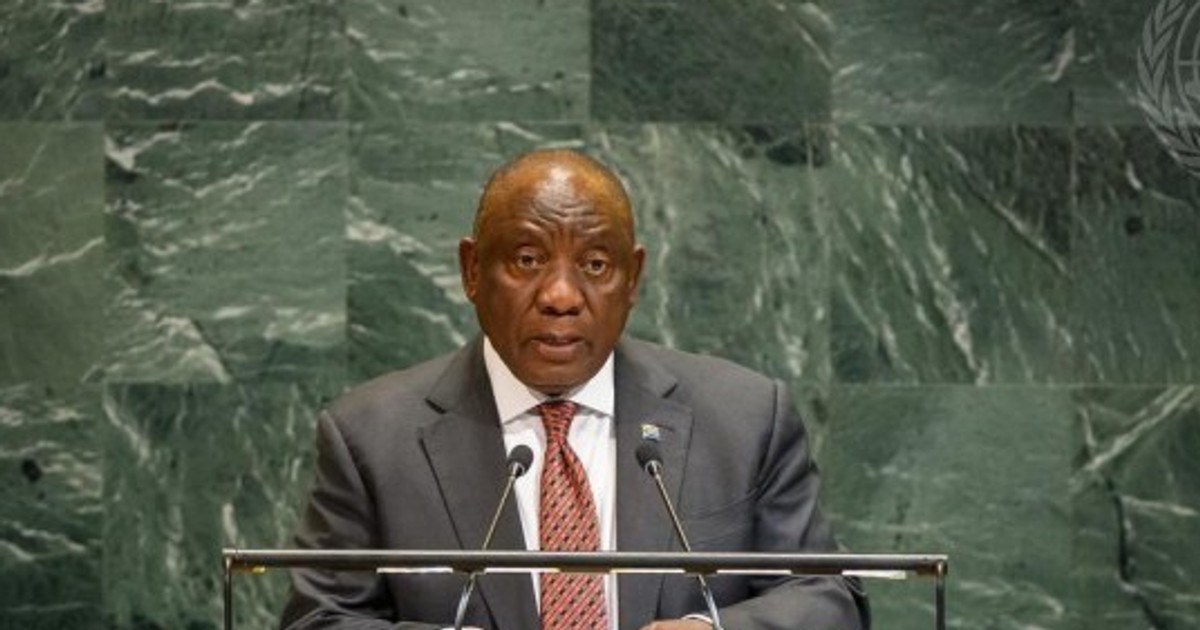
The approval also comes as investors increasingly watch South Africa’s reform progress under President Cyril Ramaphosa, whose administration has prioritised fixing state-owned infrastructure, improving electricity supply and restoring logistics networks to revive economic growth.
For Africa, the latest financing reflects a broader shift among international development lenders towards supporting reforms that unlock private investment rather than relying solely on public spending, particularly in countries seeking to modernise ageing infrastructure and improve long-term competitiveness.