
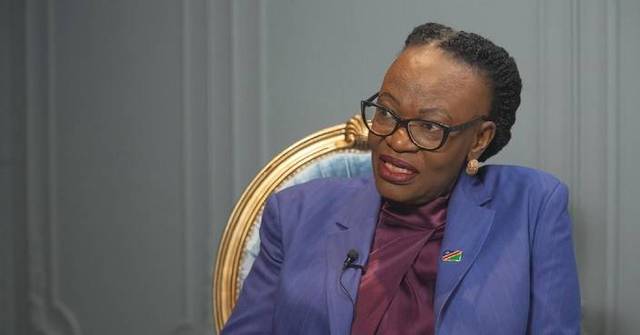
China’s zero-tariff policy toward Africa is expected to boost the continent’s industrialization and bring benefits to multiple sectors, said Selma Ashipala-Musavyi, Namibia’s Minister of International Relations and Trade.
In an exclusive interview with China Global Television Network (CGTN), Ashipala‑Musavyi said the sweeping tariff measure will accelerate Africa’s industrialization and open new opportunities across trade, services, and tourism.
“The benefits of the gesture from China is going to generate industrialization. We are going to begin to add more value to what we are exporting to China. I think a lot of businesspeople are going to be coming to China and see what are the needs. So, tourism will also benefit and vice versa in terms of transportation, will benefit, services will benefit, people to people will benefit. So, because we see trade as a peace building measure also. We don’t just want to trade, we also want to have a better understanding among people. The whole collective will actually benefit from this gesture and we hope that other countries can do the same,” she said.
Effective since May 1, the policy grants zero‑tariff access to all 53 African countries with diplomatic ties to China, making Beijing the first major economy to extend such comprehensive treatment.
At the invitation of President Xi Jinping, Namibian President Netumbo Nandi‑Ndaitwah is paying a state visit to China from July 5 to 11.
On Thursday in Beijing, she met Premier Li Qiang, who called Namibia an important African partner and pledged to carry forward traditional friendship, support each other’s core interests, and expand mutually beneficial cooperation to advance modernization.
Nandi‑Ndaitwah said Namibia values China’s global role and is ready to deepen multilateral coordination to promote regional peace, stability and development.
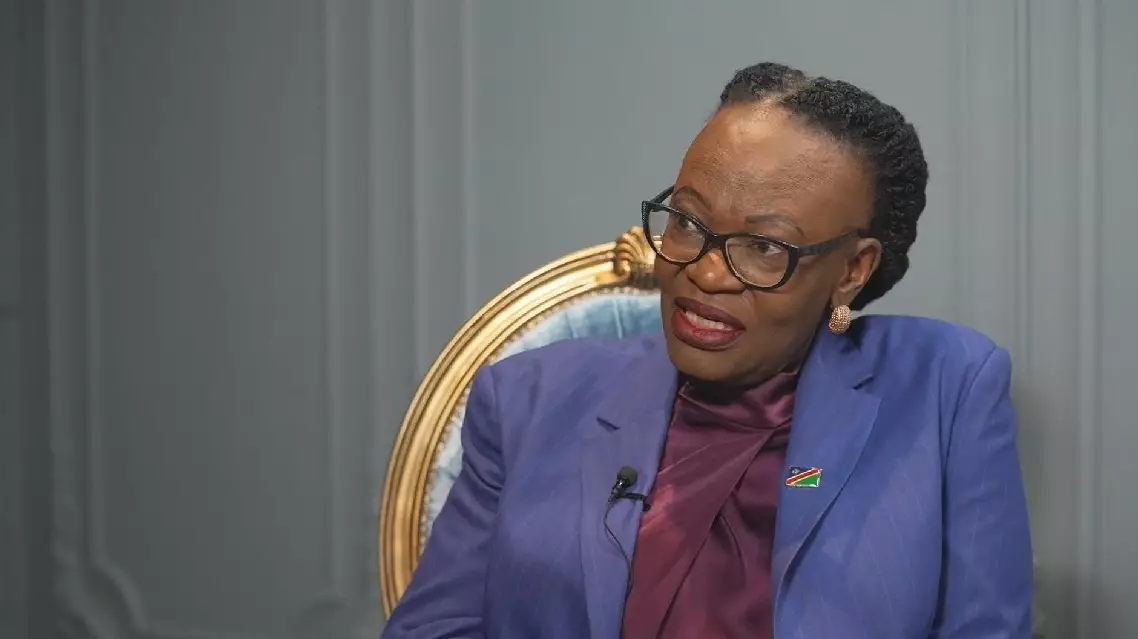
China’s zero-tariff policy spurs Africa’s industrialization: Namibian minister
Hong Kong’s stock market stayed afloat Friday despite a wave of lock‑up expiries from major listings, said China Global Television Network (CGTN) analyst Timothy Pope.
Lock‑up expiries occur when restrictions on early investors selling shares after IPOs are lifted, often adding volatility to trading.
The benchmark Hang Seng Index rose 0.60 percent to close at 24,175.12 points, while the Hang Seng China Enterprises Index gained 0.52 percent to 8,039.19. The Hang Seng Tech Index slipped 0.21 percent to 4,721.66.
Pope noted the market’s resilience, pointing out that the Hang Seng finished the week up about 3.5 percent even as lock‑up releases pressured individual stocks.
“Hong Kong’s markets definitely in strong shape on Friday. The Hang Seng [Index] closed 0.6 percent higher but was up around 3.5 percent for the week as a whole, I think. The market really stayed afloat through a wave of lock-up expiries. This week we had the two big ones — Knowledge Atlas and MiniMax. They were initially doing okay. Knowledge Atlas in particular managed to gain in the wake of 6 percent of its outstanding shares being released for sale this week, but today it was down 19 percent. Minimax was down both days as well. This was always going to be a tougher one because 45 percent of the company’s outstanding shares came out of lockup all in one go. Today it fell 9.6 percent. This week also saw the market debut from Apple contractor Luxshare, and its secondary listing in Hong Kong. Today it was up 1.5 percent. That strong IPO pipeline in Hong Kong as well really has set the index on a strong run despite the volatility that we are seeing on the Asian markets recently,” said Pope.
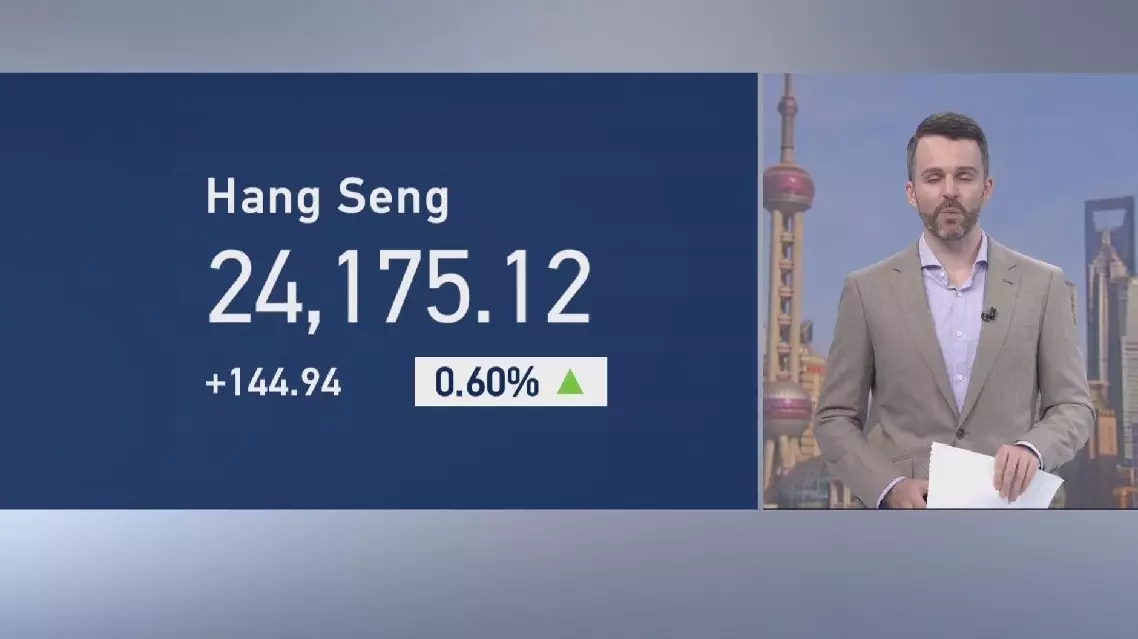
Hong Kong stocks hold firm despite mass lock-up expiries