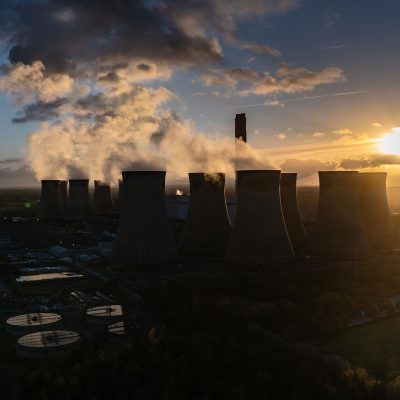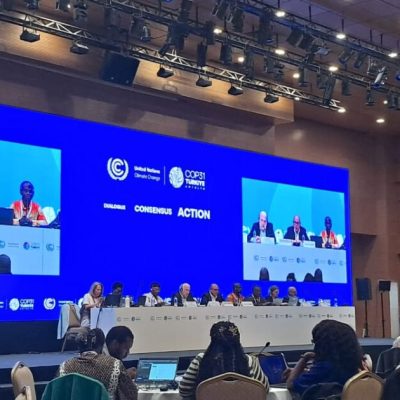

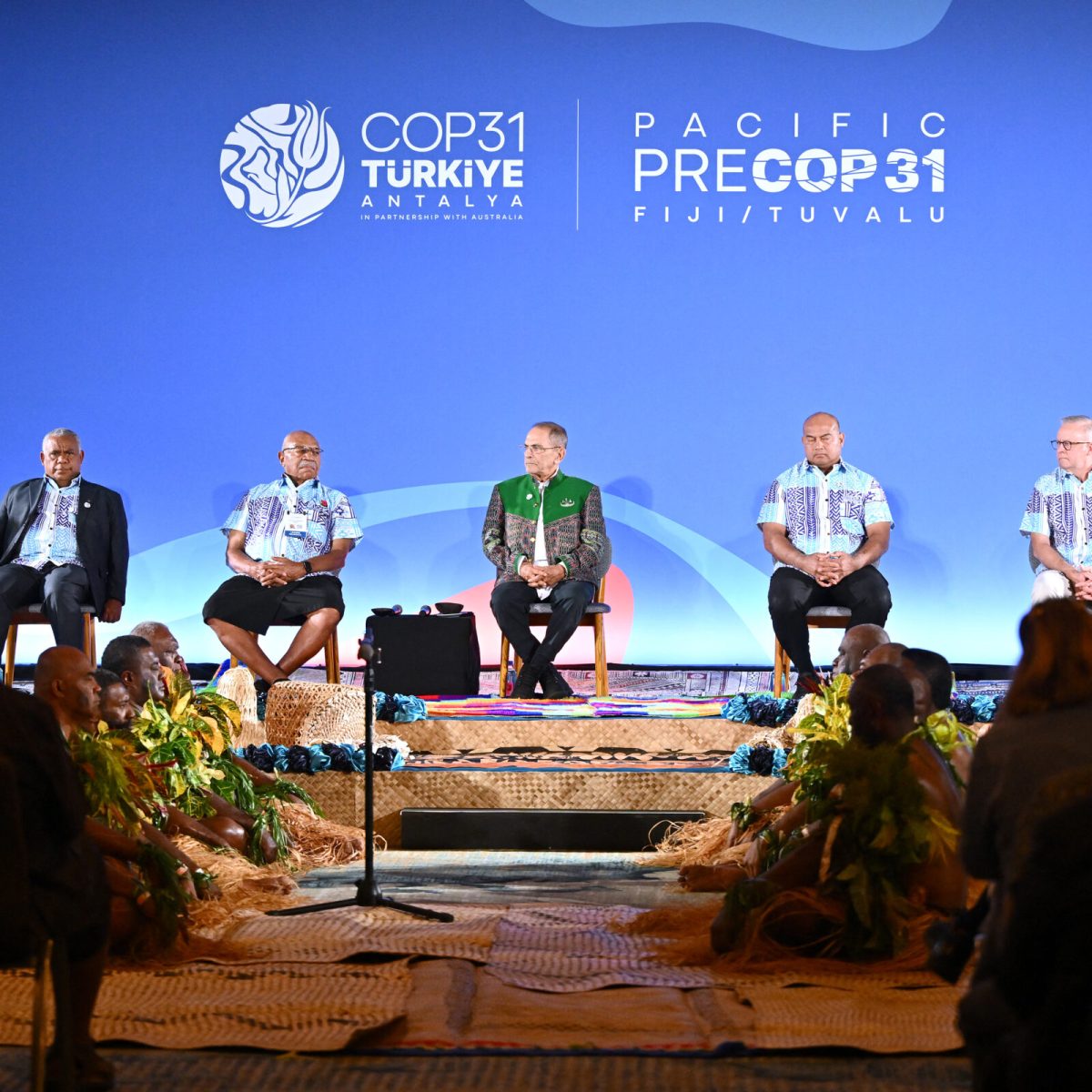
As world leaders prepare to gather for COP31 starting this week, Amnesty International Australia has warned that the Albanese Government cannot credibly claim climate leadership while continuing to approve new coal and gas projects that fuel climate change and threaten human rights.
Australia, as President of Negotiations at COP31, has a responsibility to secure ambitious, human rights-centred outcomes that deliver meaningful climate action, particularly for communities on the frontlines of climate change.
Yet Australia remains one of the world’s leading fossil fuel exporters, continuing to approve coal and gas expansion projects, despite calls from First Nations communities, Pacific neighbours, and climate and human rights advocates for a just and urgent transition away from fossil fuels.
Kyinzom Dhongdue, Strategy and Advocacy Manager at Amnesty International Australia, said:
“Australia cannot claim to be a global climate leader at COP31 starting this week, while continuing to give the green light to new coal and gas projects. The Australian Government cannot have it both ways. Its continued support for fossil fuel expansion makes a mockery of its commitments to climate action and undermines its credibility on the world stage.
“Across Australia and the Pacific, communities are already paying the price for a climate crisis they did little to cause. People are losing their homes, livelihoods and cultural heritage, while coal and gas companies continue to profit from the destruction of our planet.”
Kyinzom Dhongdue, Strategy and Advocacy Manager at Amnesty International Australia
“Across Australia and the Pacific, communities are already paying the price for a climate crisis they did little to cause. People are losing their homes, livelihoods and cultural heritage, while coal and gas companies continue to profit from the destruction of our planet. The Australian Government must stop putting corporate profits ahead of people’s lives and human rights.
“As President, Australia has an opportunity and a responsibility to turn its claims of climate leadership into meaningful action. That means ending coal and gas expansion, making major polluters pay to remedy the harms they’re causing, and securing a just, fully funded transition away from fossil fuels that puts people and human rights first.”
Amnesty International has documented Indigenous Peoples, environmental human rights defenders and affected communities around the world resisting destructive fossil fuel projects and defending their lands, livelihoods and futures.
These movements are essential to a fair and effective transition, yet Indigenous Peoples and other affected communities are routinely excluded from decisions while those defending them face criminalization, intimidation and reprisals.
“The people defending forests, rivers, ancestral lands and communities from destructive projects are showing governments what climate leadership truly looks like.”
Marta Schaaf, Amnesty International Programme Director for Climate
“The people defending forests, rivers, ancestral lands and communities from destructive projects are showing governments what climate leadership truly looks like. They must be protected and heard, not criminalized, intimidated or excluded from decisions about their futures,” said Marta Schaaf, Amnesty International Programme Director for Climate.
COP31 must deliver collective action
The climate crisis transcends borders, but its consequences are deeply unequal. The catastrophic floods in Nepal and Tibet following a partial Himalayan glacier collapse showed how communities with the fewest resources are often exposed to the gravest dangers. It also underscored the urgent need for international cooperation and adequate funding from higher income countries to fund a just transition and climate resilience in lower income countries.
“No country can confront this crisis alone. Those who have contributed least to global warming are often suffering the greatest harms. COP31 must deliver collective action that reflects this profound injustice,” said Marta Schaaf.
COP31 must deliver concrete outcomes that advance a just and human rights-consistent transition:
- It must establish a strong Belem-Antalya Mechanism for Just Transition with a mandate to deliver on human rights and the ability to deliver support for just transitions;
- implement the Gender Action Plan, including by developing robust guidelines for the protection of women environmental defenders;
- ensure the second Global Stocktake is rooted in human rights and shaped by affected communities, including through Global People’s Assemblies;
- advance Loss and Damage as a separate agenda item and adequately replenishing the Fund for responding to Loss and Damage;
- tackle the scale up of climate finance needed including through formal negotiations on the Climate Finance Work Programme and focus it on implementation of Article 9.1 of the Paris Agreement;
- and begin reforming the way UN climate governance works.
Governments must accelerate a full, fast, fair and funded fossil fuel phase-out to limit any overshoot of 1.5°C, according to their responsibilities and capacities, and bring temperatures back down. The transition to electrification must be through increasing renewable energy and must protect workers, Indigenous Peoples and frontline communities, without reproducing existing abuses or creating new fossil fuel demand, including from AI data centres.
High-income countries with the greatest historical responsibility for greenhouse gas emissions must massively increase grant-based climate finance, including through higher taxes on the ultra-rich, fossil fuel companies and their financial backers. This funding is essential for lower-income countries to cut emissions, adapt, deliver just transitions and address loss and damage, including through climate reparations.
Background
Ahead of COP31, Amnesty International released its detailed technical recommendations for climate action and has joined calls for ambitious climate finance, recognition and protection of environmental human rights defenders and requirements for the “35 by 35” electrification target.
Additional Information
Amnesty International at COP31
On 10 November, Amnesty International will be holding a press conference at COP31:
No Climate Justice Without Human Rights: Amnesty International’s Call to COP31
Date/Time: 10 November 2026, 12 – 12:30pm
Venue: Press Conference room 2 (Yunus Emre), Area D4, Blue Zone.
The event is open to COP31 participants and will provide media with opportunities to question Amnesty International experts on:
- What do elections and rising authoritarianism mean for climate action?
- Climate disinformation, climate hushing and corporate influence: who is shaping the climate narrative?
- Can Gen Z protests change climate politics?
- Is Türkiye providing a safe space for climate and human rights voices at COP31?
- Can COP31 finally deliver a credible fossil fuel phase-out?
Further, the Amnesty International delegation will be in Antalya from 9 to 20 November 2026 and will be available to provide expert commentary on the COP31 negotiations as they unfold.
The delegation will include:
- Marta Schaaf, Programme Director for Climate, Economic and Social Justice, and Corporate Accountability;
- Ann Harrison, Climate Justice Policy Advisor;
- Camile Cortez, Senior Campaigner on Climate Justice;
- Colleagues from Amnesty International offices across Brazil, Türkiye and the African continent; and
- Environmental human rights defenders from Türkiye and Madagascar.
Amnesty International is a global movement of more than 10 million people who take injustice personally. We are campaigning for a world where human rights are enjoyed by all – and we can only do it with your support.
Act now or learn more about our human rights work.