
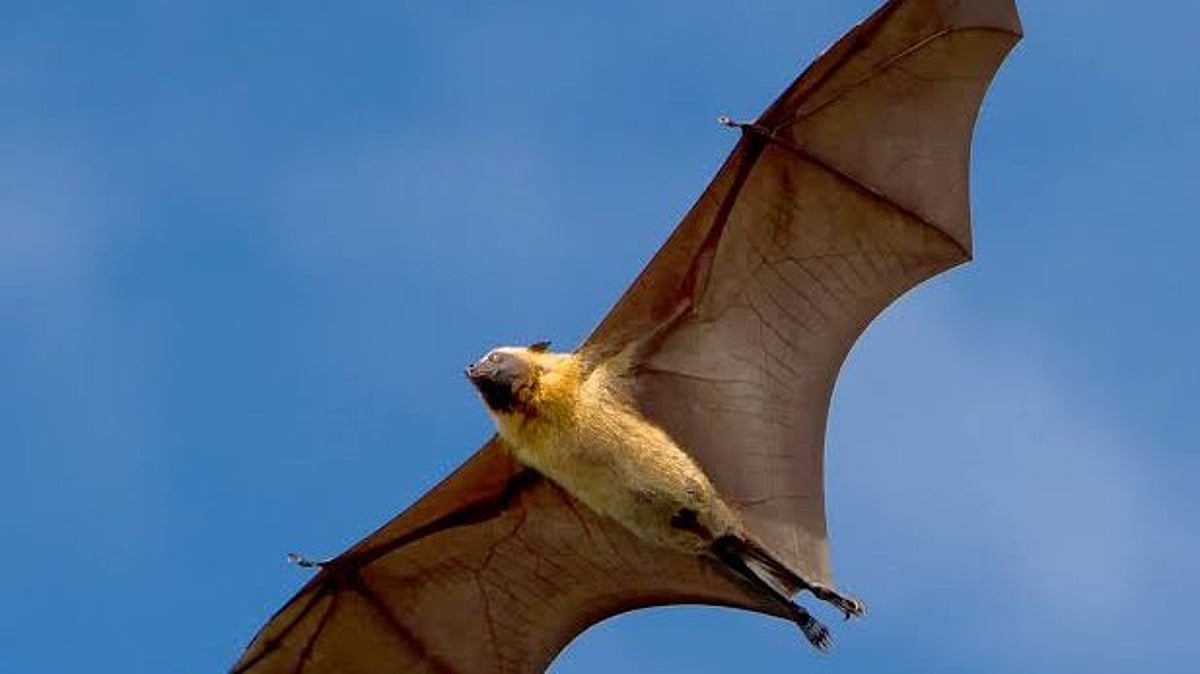
Our findings suggest Africa’s cave-dwelling bats face a double challenge. Climate change could shrink the areas where they can live, but even where future conditions remain suitable, caves might be absent. Safe havens will require three elements: suitable climate, available shelter, and movement corridors between sites.
We used an existing database of 551 reliable records across sub-Saharan Africa. Using a computer model, we matched each site with its local climate to determine what conditions the bats need, then projected where those conditions would exist around 2070 under a moderate warming scenario.
Depending on climate shifts in coming decades, suitable areas for these bats could shrink by 36% to 64% by 2061-2080. Remaining suitable areas were concentrated mainly in southern Africa, the eastern highlands, and Madagascar.
However, when comparing suitable future climates with locations of suitable caves and rocky landscapes, the picture became alarming. Only around 5% of areas with suitable caves had a climate expected to remain suitable. When accounting for landscape vulnerability to future change, that figure fell to around 2%. The places with the right climate and those with available homes barely overlapped. Furthermore, survival depends on a network of caves spread across the landscape for seasonal movement.
These findings apply broadly across wildlife. As the climate changes, suitable conditions may shift, but specific habitats may not. Conservation planning must ask not only where climate will be suitable, but whether species will actually have somewhere to live.
Mariëtte van der Walt is Biodiversity Coordinator, Wilderness, University of the Witwatersrand