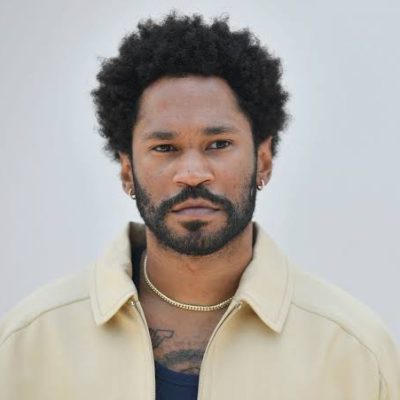


South African producer and DJ Da Africa Deep, born Teleki Wilfred Mphahlele, has developed a sound rooted in Afro house, drawing on jazz, gospel, and African rhythmic traditions.
Photo credit: Da Africa Deep – Official
Influenced by artists including Hugh Masekela and Black Coffee, his career has included collaborations with Da Capo and Zakes Bantwini, alongside performances across Europe and Africa.
His debut album, ‘Love Your Life’, released via Mayonie Productions, explores personal experiences and finding beauty in life’s highs and lows. Featuring contributions from Mici, Lyrik Shoxen, Jordan Arts, Sky White, and others, the nine-track project combines melodic arrangements, layered percussion, and soulful vocals.
Reflecting the emotional approach behind his music, Da Africa Deep shares five studio tips covering creative freedom, arrangement, technology, and the importance of trusting your instincts.
1. Create From Emotion
Before I start producing, I try to understand what I want to express, not what I want the track to sound like. Sometimes an idea comes from happiness, sometimes from pain, and sometimes from something I cannot explain. I believe music becomes powerful when it carries something real. Don’t start by asking yourself whether a track will work in a club or fit a particular genre. Start by asking yourself whether it makes you feel something. You can always improve the technical side, but you cannot manufacture genuine emotion.
2. Make Music, Not a Genre
One of the biggest limitations you can place on yourself as a producer is deciding what your music should sound like before you have even created it. I grew up surrounded by different musical influences, and they all contribute to who I am today. I don’t believe creativity should have boundaries. Experiment with unexpected sounds, rhythms, instruments and arrangements. Sometimes the most interesting ideas happen when you stop following the rules of a genre and allow your own identity to come through.
3. Give Your Music Space to Breathe
Not every moment in a track needs to be filled. Silence, space, and simplicity can communicate just as much as a powerful melody or a heavy rhythm. When I’m arranging music, I listen for how the different elements interact and whether each one contributes to the story. Sometimes removing a sound strengthens the entire composition. Learn to appreciate restraint. The goal isn’t to demonstrate how much you can produce, but how deeply you can connect with the listener.
4. Don’t Let Technology Replace Your Instinct
We have access to incredible production tools, plugins, and technology, but I believe your ears and your instincts should always remain your most important instruments. It’s easy to spend hours trying to make everything technically perfect and forget the feeling that made you start the track in the first place. A recording doesn’t always need to be flawless to be beautiful. Sometimes the imperfections give music its character. Use technology to support your creativity, not to dictate it.
5. Know When to Let Go
One of the hardest things about producing music is knowing when a track is finished. As artists, we can spend endless hours changing small details, chasing a perfection that may not exist. I’ve learned that sometimes you need to step away, come back with fresh ears, and remember why you started creating that piece of music. If the emotion is there and the story feels complete, trust it. Music isn’t meant to stay in your studio forever. It needs to travel, reach people, and become part of their own experiences.

Da Africa Deep’s ‘Feel Good’ is out now via Mayonie Productions. Stream and download your copy here.
Follow Da Africa Deep: Spotify | Instagram | SoundCloud