
A new team was appointed to the Independent Electoral and Boundaries Commission (IEBC) last year. With this transition comes a fresh opportunity to reform Kenya’s electoral system. One issue that deserves urgent attention is the quiet disenfranchisement of polling officials.
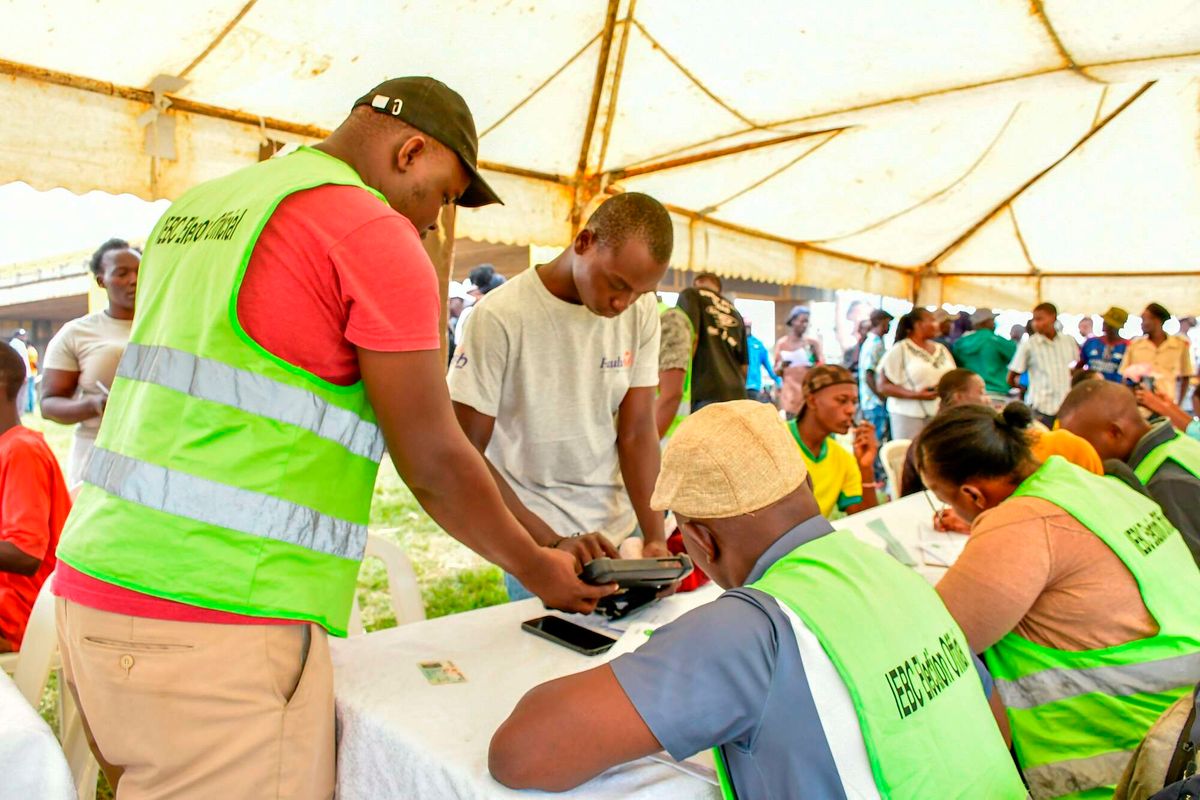
Every election cycle, the IEBC recruits thousands of temporary workers, including polling clerks, presiding officers, returning officers, ICT assistants and logistics personnel. These are the people who make it possible for millions of Kenyans to exercise their democratic right. Yet, election after election, many of them do not get to vote themselves.
The reason is straightforward. Most polling officials are deployed far from the constituencies where they are registered. They report several days before the election and remain at their assigned stations until the process is completed. With no provision for early voting or absentee ballots, they are effectively locked out of the electoral process.
This raises an uncomfortable question: How can an electoral system be considered fully inclusive when the people running it are denied the opportunity to participate in it?
Economic realities have also helped normalise this problem. In difficult times, the payment attached to election work can be a significant incentive. Many officials knowingly forgo their vote because the assignment provides a rare opportunity to earn an income. It is a quiet trade-off that has become part of Kenya’s electoral landscape, yet it should not be.
If Kenya has found ways to facilitate voting for citizens living abroad, it should be possible to create a mechanism that enables polling officials to vote while serving the country at home. The challenge is not necessarily technical; it is one of political will, planning and prioritisation.
The new IEBC should consider practical solutions. Early voting for polling officials, special polling sessions at training centres, or designated voting arrangements for officials deployed outside their constituencies could all be explored without compromising electoral integrity.
The details would require careful planning. There would need to be safeguards against multiple voting, clear verification procedures and a reliable system for transmitting results. These are challenges, but they are not insurmountable.
Service to the country and participation in its democratic processes should not be mutually exclusive. The people who safeguard the vote should not have to surrender their own.
Allowing polling officials to vote would affirm their dignity and strengthen the legitimacy of Kenya’s elections. As the new IEBC begins its work, it should ask a simple question: Why should those who make democracy possible be excluded from practising it?
The writer is a climate action enthusiast and a communications specialist at Windward Communications Consultancy.