

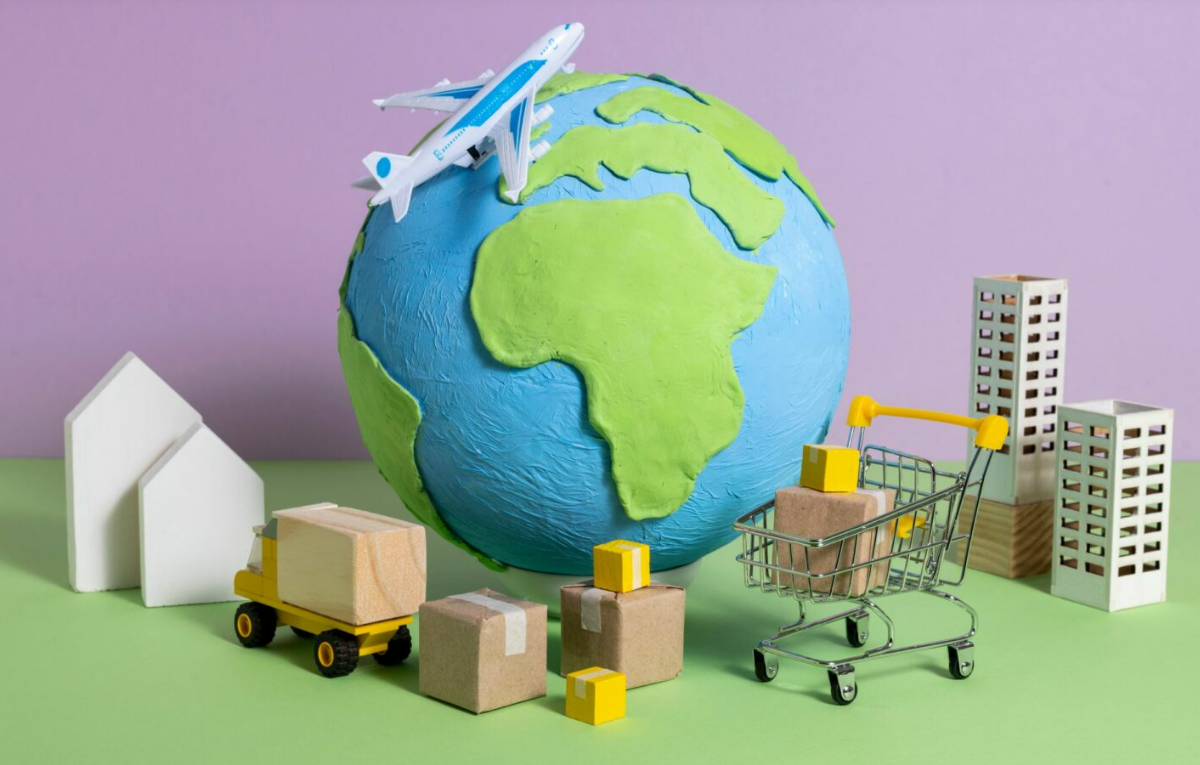
A seismic realignment in global trade architectures is fundamentally reshaping foreign direct investment flows into Kenya, transforming the nation from a passive consumer market into a highly aggressive manufacturing and export hub. Driven by the accelerated implementation of the African Continental Free Trade Area (AfCFTA) and shifting geopolitical alliances, Nairobi is rapidly becoming the indispensable financial anchor for multinational corporations hedging against supply chain volatility.
The economic stakes of this transition are monumental. For decades, Kenya has battled a crippling trade deficit, exporting raw agricultural commodities while importing heavily manufactured goods. However, the current global push for ‘friend-shoring’—relocating supply chains to politically stable allies—is funneling billions of shillings into local industrial parks, creating a rare window of opportunity to permanently alter the trajectory of the KES 14 trillion national economy.
A Market in Transformative Transition
The influence of global trade policies on domestic investment is visible in the sprawling Special Economic Zones emerging across the country. Foreign investors, particularly from the United States and the European Union, are aggressively establishing final-assembly automotive plants, pharmaceutical manufacturing facilities, and textile mills in Naivasha and Mombasa. This capital influx is not driven by charity, but by a cold, calculated strategy to access the vast, tariff-free African consumer market.
Economists at the Central Bank of Kenya note that the traditional investment playbook has been completely rewritten. Previously, foreign capital sought high-yield government bonds or speculative real estate. Today, institutional investors are locking capital into tangible infrastructure—cold storage logistics, port mechanization, and renewable energy grids—designed exclusively to facilitate high-volume, cross-border trade.
The government’s recent overhaul of tax incentives for export-oriented manufacturers has further accelerated this trend. By guaranteeing ten-year corporate tax holidays for firms that export at least 80 percent of their output, the Treasury has triggered a fierce competition among global logistics giants aiming to dominate the East African transit corridors. The integration into global value chains is pulling thousands of Kenyan SMEs into the formal industrial economy.
The Numbers Behind the Trade Equation
The data mapping this economic evolution reveals a massive structural shift. The volume of capital being deployed into trade-facilitating infrastructure demonstrates unprecedented confidence in Kenya’s strategic geographical positioning.
- Foreign Direct Investment in Kenya’s manufacturing and logistics sectors surged to an estimated $1.2 billion (KES 158 billion) in the first quarter of 2026, a 22 percent year-on-year increase.
- Kenya’s export revenue crossed the historic KES 1.1 trillion threshold in the previous fiscal year, driven by a 35 percent spike in manufactured exports to neighboring African states.
- The African Continental Free Trade Area provides Kenyan manufacturers duty-free access to a consolidated market of 1.4 billion consumers with a combined GDP of $3.4 trillion.
- Upgrades to the Port of Mombasa and the Standard Gauge Railway have reduced regional freight transit times by 40 percent, saving exporters an estimated KES 18 billion annually in demurrage charges.
These figures underscore the death of the traditional aid-dependent economic model. Investment is now directly tethered to trade output. For every container that leaves the Port of Mombasa packed with value-added Kenyan products, a multiplier effect ripples through the economy, generating sustainable wage growth and stabilizing the local currency against the volatile US dollar.
The AfCFTA Revolution
The operationalization of the African Continental Free Trade Area remains the ultimate catalyst for this investment boom. Historically, it was cheaper for a Kenyan firm to export tea to London than to transport it to Dakar. By dismantling archaic customs barriers and harmonizing digital payment systems across borders, the AfCFTA has overnight made intra-African trade aggressively profitable.
Multinational corporations that previously serviced the African continent from logistics hubs in Dubai or Europe are now establishing regional headquarters in Nairobi. This proximity allows them to leverage Kenya’s highly educated workforce while utilizing the free trade agreement to distribute goods across the continent without triggering crippling tariffs. Kenya is no longer just a market; it is the vital gateway to the continent.
Furthermore, Kenyan agricultural exporters are bypassing European middlemen to sell directly to emerging markets in West and North Africa. Avocados, cut flowers, and specialized coffee are now finding highly lucrative, direct routes to consumers in Egypt and Ghana. This diversification of export destinations insulates the Kenyan farmer from economic recessions in the Eurozone.
The Infrastructure Tightrope
Despite the unprecedented capital inflows, severe systemic bottlenecks threaten to choke this economic renaissance. Industrialists point to the exorbitant cost and unreliability of industrial electricity as the primary deterrent to heavy manufacturing. While Kenya boasts an impressive green energy grid, transmission failures and high kilowatt-hour costs severely erode the global competitiveness of local factories.
Additionally, the notorious bureaucracy at border crossings continues to delay the movement of perishable goods. The Kenya Association of Manufacturers has repeatedly warned that physical infrastructure upgrades must be matched by a ruthless elimination of red tape. Corruption at weighbridges and customs clearing yards acts as a silent, illegal tax that repels the very foreign investment the state desperately seeks to attract.
The government is responding by accelerating the digitalization of the Kenya Revenue Authority and deploying integrated border management systems. However, execution remains sluggish. The global capital markets are notoriously unforgiving; if Kenya cannot streamline its trade logistics, investment will swiftly migrate to more efficient hubs in Rwanda or South Africa.
The trajectory is clear: Kenya’s economic salvation lies not in taxation, but in aggressive, unrestricted global trade. As international investment continues to pour into the country’s industrial arteries, the nation stands on the precipice of an economic transformation that will redefine its standing on the global stage for generations.