
Australia and other governments attending the June Climate Meetings next week in Bonn, Germany, must use the talks to turn climate commitments into concrete, actionable, rights-centric agenda for November’s COP31.
The Bonn Climate Conference presents a critical opportunity for states to shape negotiations and climate priorities for COP31 in Antalya, Türkiye later this year.
As President of Negotiations at COP31, Australia must stand with its Pacific neighbours and lead a fair, fast and funded phase-out of fossil fuels, while increasing support for a human rights-centred transition to renewable energy and for communities to prepare for and respond to climate impacts.
It is also an important moment for governments to demonstrate how they will translate the climate commitments reflected in the recently adopted United Nations General Assembly (UNGA) resolution on last year’s ICJ Advisory Opinion on climate change into concrete action grounded in human rights, equity, and justice.
“The Albanese Government must use the Bonn Climate Conference as an opportunity to ensure that Australia demonstrates climate leadership, both internationally and domestically, in its protection of human rights,” said Nikita White, Amnesty International Australia’s Strategic Campaigner.
“Amnesty International Australia welcomed the 2025 International Court of Justice’s (ICJ) Advisory Opinion, which marked a significant step forward in advancing climate justice and protecting human rights in the face of the climate crisis.
“Climate change is fundamentally a human rights issue, and as President of Negotiations Australia is in a unique and powerful position.”
Nikita White, Amnesty International Australia’s Strategic Campaigner
“Australia and 140 other states who voted for this resolution have recognised that states have legal obligations to protect current and future generations and ecosystems from the worsening impacts of human induced climate change. Now is the time to follow this up with concrete action.
“Climate change is fundamentally a human rights issue, and as President of Negotiations Australia is in a unique and powerful position. It has obligations to fulfil in its response to the climate crisis, and the Bonn Conference should be the opportunity to demonstrate this.”
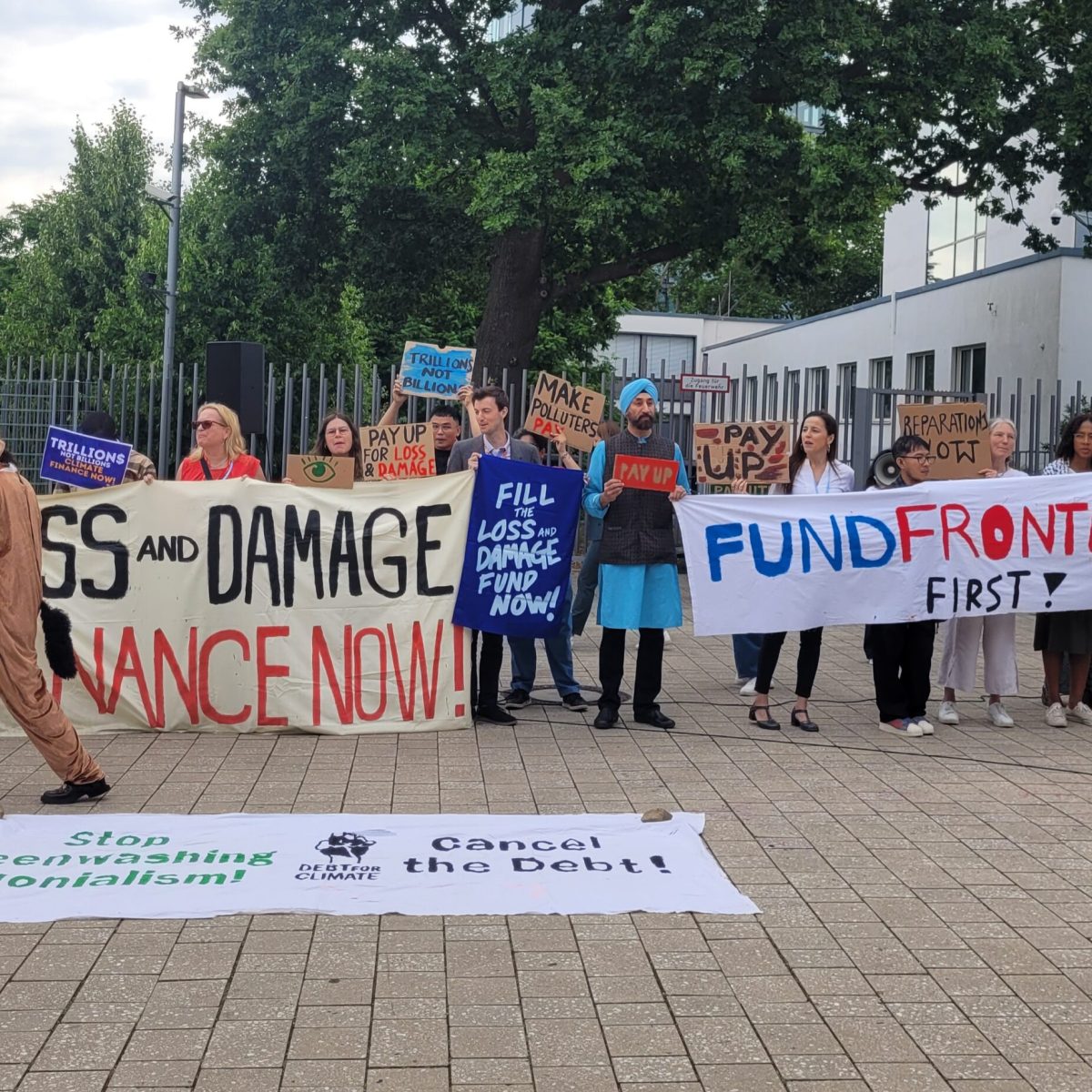
In recommendations published ahead of the meeting, Amnesty International calls on governments to commit to a full, fast, fair and funded phase out of fossil fuels through a just transition, to scale up grants-based climate finance; provide full reparations for climate change related loss and damage, and to protect civic space and strengthen the participation of Indigenous Peoples, environmental human rights defenders and affected communities in climate decision-making.
The need for action is urgent
Amnesty International is urging all parties to the climate treaties to build on progress at the recent conference in Santa Marta towards an equitable transition away from fossil fuels that leaves no one behind, including by ending fossil fuel subsidies while protecting people on lower incomes.
It’s important that the Just Transition Mechanism agreed at COP30 is effective and funded in its setup so that it prioritises human rights and the meaningful participation of civil society, affected groups and the free, prior and informed consent of Indigenous Peoples.
The organisation is also calling for major progress on climate finance. According to United Nations Framework Convention on Climate Change (UNFCCC) data, lower-income countries’ needs for mitigation and adaptation are estimated at USD 5 to 6 trillion by 2030, with the USD 300 billion per year by 2035 finance goal agreed at COP29 remaining far below what is needed. The shortfall in adaptation finance is particularly acute.
“The fact that some countries insisted on removing references to climate finance from the recent UNGA resolution does not mean that obligations to provide it have gone away. We know the money is there, it’s a matter of political choice as to how it is allocated. It’s essential that the biggest polluters are made to pay for the harm they are causing,” said Ann Harrison, Amnesty International’s Climate Policy Advisor.
“Scaled up, primarily grants-based finance for climate action is the key to ensuring that the rights of all people, everywhere, now and in the future, are protected.
Ann Harrison, Amnesty International’s Climate Policy Advisor
“Scaled up, primarily grants-based finance for climate action is the key to ensuring that the rights of all people, everywhere, now and in the future, are protected. This will ensure that they can live lives of dignity on a planet that can sustain both humans and the essential ecosystems of which we’re a part and on which we depend.”
Amnesty International is further urging governments to adopt a reparative justice approach and to strengthen support for the Fund for Responding to Loss and Damage, including by ensuring that it operates in a fully human rights-compliant way and is backed by an ambitious resource mobilisation strategy.
Access and inclusion
A central test for Bonn will be whether the talks are open and accessible to those most affected by climate change. Amnesty’s recommendations stress that frontline communities, Indigenous Peoples, environmental human rights defenders and marginalised groups must be able to participate meaningfully in climate negotiations. The organisation has raised concerns about visa access for Bonn participants and has called for all host countries to provide a dedicated UNFCCC visa process.
Amnesty International is also urging Germany and the COP31 co-hosts Türkiye and Australia to ensure that all participants can freely express themselves and peacefully demonstrate without undue restrictions and fear of reprisals.
“Bonn must help shift the pendulum on climate towards justice. Governments should arrive ready to make progress on a just transition away from fossil fuels, which requires adequate climate finance and reparations for loss and damage, as well as the protection of civic space. Anything less would be another failure for people already paying the price of climate inaction,” said Ann Harrison.
Background
The June Climate Meetings will take place in Bonn from 8 to 18 June 2026. It is a key preparatory meeting ahead of COP31 in Antalya, Türkiye, from 9 to 20 November 2026.
Amnesty International has released a briefing, “Recommendations to Parties to the UNFCCC on Human Rights-Consistent Climate Action in 2026”, ahead of the conference. Amnesty spokespersons will be available for expert comments and interviews at the climate meetings in Bonn.
Amnesty International is a global movement of more than 10 million people who take injustice personally. We are campaigning for a world where human rights are enjoyed by all – and we can only do it with your support.
Act now or learn more about our human rights work.