
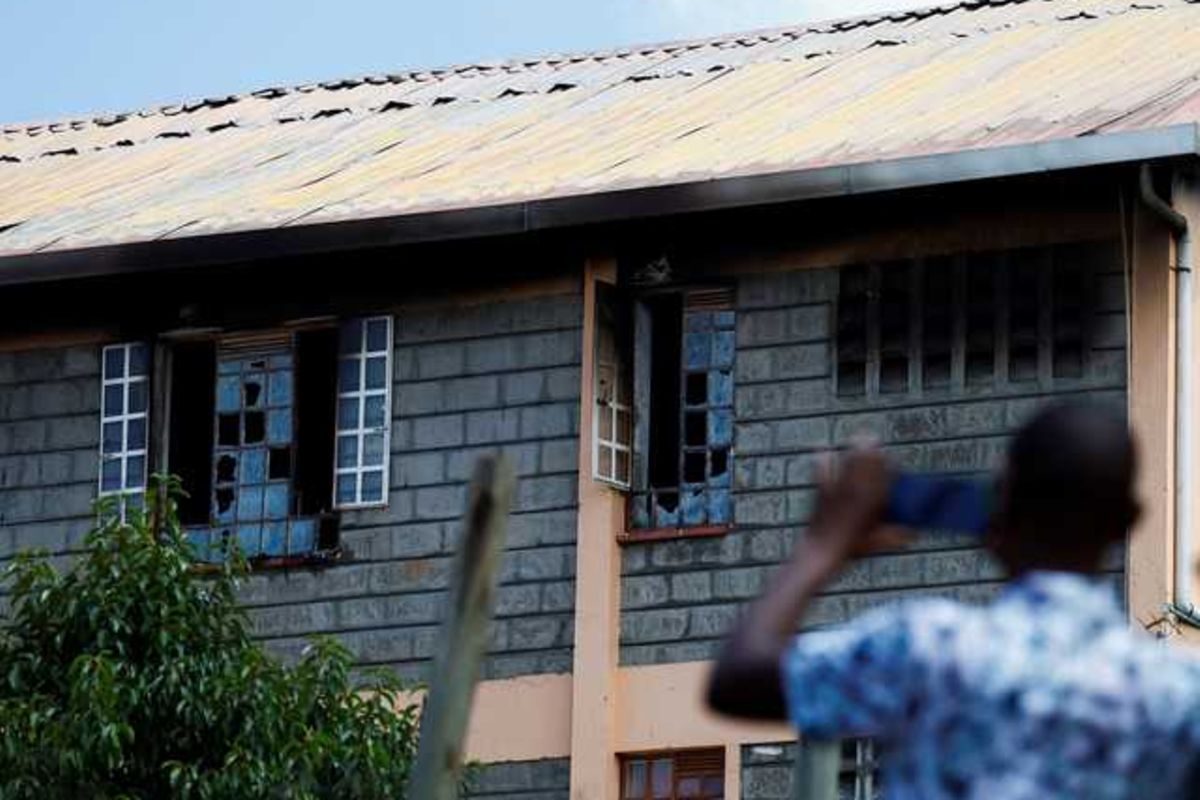
When schools burn, Kenya’s public conversation quickly turns to blame. We ask: Who carried the match? We pathologise and demonise students; we ask which teacher was negligent. Why are parents absent? What punishment will deter the next incident?
After each deadly blaze, these questions are asked; reports are written, proclamations of “never again” are made, and yet every year a school somewhere burns. Some – when deadly – make it into the national consciousness. Others may not be deadly but are equally destructive.
School unrest and arson are a common, one could even say chronic, challenge in Kenya’s education system.
School strikes are not simply a discipline problem. Research into the matter has identified conditions that affect student well-being: weak communication between learners and administration; neglected student views; high-handed administration; overcrowded and strained facilities; exam anxiety; substance abuse; and poor welfare.
These factors do not excuse destructive behaviour, but they highlight the signals learners are sending – signs that affect their well-being.
A 2025 study by Shamiri Institute and the Africa Institute of Mental and Brain Health (AFRIMEB) surveyed 7,800 adolescents in 27 secondary schools across four counties. Its findings call for concerted effort to listen to young people and offer them programmes that cater to their mental health.
One in three learners showed signs of moderate-to-severe depression and one in four showed signs of moderate-to-severe anxiety.
Furthermore, learners are increasingly showing symptoms of post-traumatic stress disorder (PTSD) and are affected by global and local stressors, including political instability, climate change and economic challenges, with personal and familial financial strain, contributing to heightened levels of depression and anxiety.
Shamiri’s work in secondary schools further highlights key mental clinical risks affecting learners: substance abuse; child abuse; suicidal ideation; self-harm; and bullying.
The survey also found that students in need were far more likely to approach peers/friends than adults in school: 32 percent sought help from friends, while only 12 percent approached school staff. The study found that stigma, shame and uncertainty about where to get help deterred help-seeking for most students.
The country does not lack a policy foundation to tackle these issues.
The Kenya School Health Policy, the Kenya School Health Guidelines and the Guidance and Counselling Policy are documents that recognise the importance of learners’ psychosocial and cognitive development.
These documents call for safe psychosocial environments and support; life-skills education; teacher capacity-building; referral pathways between schools and health facilities; and stronger coordination between the Ministries of Education and Health, as well as county health teams and non-profit organisations.
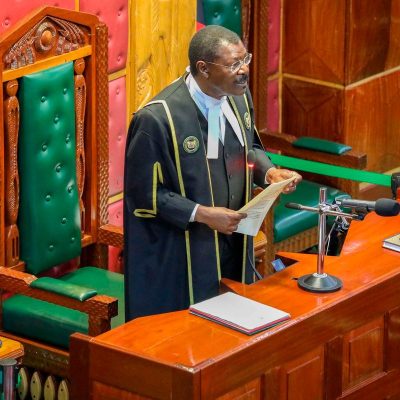
In Parliament there is currently a motion by Nyeri Woman Representative Rahab Mukami that seeks to introduce mandatory, structured and time-tabled guidance and counselling programmes in all public schools, and the deployment of professionally trained school counsellors with clear referral mechanisms between schools and health facilities.
And the Ministry of Health, through the Division of Mental Health, is finalising a school mental-health guideline document to guide best in-class provision of mental-health programs in schools.
The challenge is turning these sound national policies and commitments into a dependable service in every school.
The gap that currently exists between policy to practice calls for a holistic approach to tackle the complex mental-health challenges faced by Kenyan learners.
Listening, and implementing promotive and preventive interventions, will not prevent every case of school unrest or fire. Nor will they remove the need for accountability, safe schools, trained teachers and effective school administration.
They will, however, help Kenya move from recurring blame games to responsible prevention.
Our schools should be places where distress is heard before it hardens into despair, withdrawal, substance abuse, harmful behavior or destructive action; and where young people receive the tools to thrive, long before a crisis occurs.
The writer is a policy practitioner in school’s mental health