
Kenya’s Sprint Dreams Dashed at World Relays: A Call for Urgent Reform
Kenya’s aspirations for a significant presence in international sprint competitions have been dealt a severe setback following a disappointing performance at the World Relays in Gaborone, Botswana. The national 4x100m mixed relay team finished seventh in Heat 1, effectively ending their chances of qualifying for the 2027 World Athletics Championships in China. This result starkly highlights Kenya’s ongoing struggle to translate its renowned dominance in middle- and long-distance running into success in the fast-paced world of sprinting.
The stakes were exceptionally high in Gaborone, as the World Relays represent a crucial qualifying pathway for major global championships. Kenya had invested considerable resources in preparing a competitive team, making the failure to advance all the more impactful. Beyond the immediate disappointment for the athletes, this outcome compels Athletics Kenya to confront fundamental developmental and infrastructural shortcomings within its sprint programs, widening the gap between Kenya and the world’s leading sprinting nations.
Analyzing the Performance Breakdown
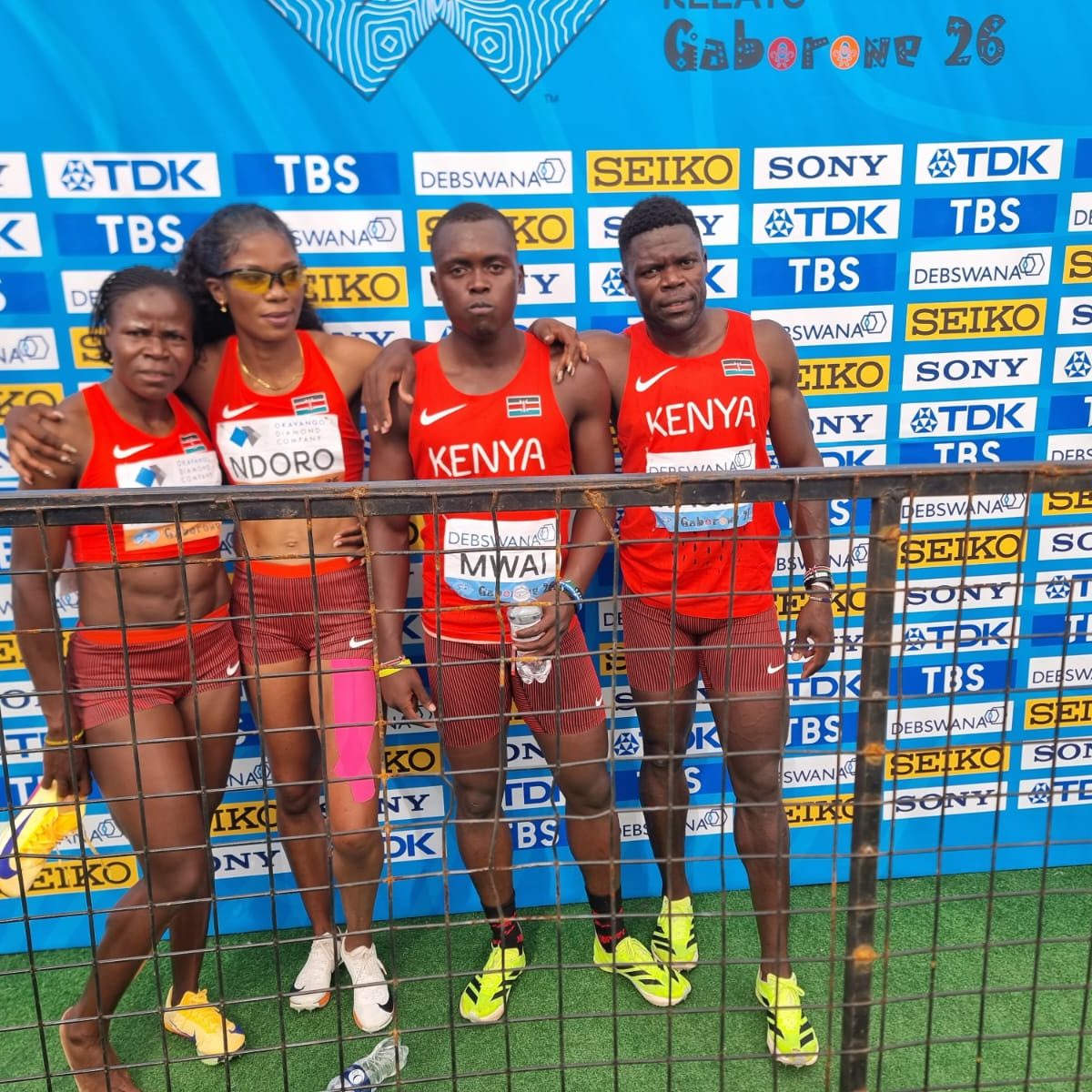
The race at the Botswana National Stadium exposed critical technical deficiencies in the Kenyan team’s execution. The quartet – Moses Onyango, Millicent Ndoro, Dennis Mwai, and Eunice Kadogo – clocked a time of 41.84 seconds, significantly slower than the pace needed to secure a qualifying spot. From the start, the team appeared outmatched by the speed and precision of their international competitors.
Italy dominated the heat with a season’s best time of 40.69 seconds, showcasing flawless baton exchanges and impressive acceleration. Portugal and France secured the remaining qualifying positions. For Kenya, the race faltered in the crucial transition zones – the areas where relay races are often won or lost. Observers noted hesitant handoffs and a lack of the synchronized rhythm that characterizes elite sprint relay teams. In a discipline where fractions of a second determine victory, these mechanical inefficiencies proved fatal.
This technical disparity underscores a deeper structural issue within Kenyan athletics. While the nation produces athletes with inherent speed, the advanced biomechanical coaching required to refine sprint techniques and perfect baton exchanges is severely lacking. This contrasts sharply with the well-established, meticulously organized long-distance training camps in Iten, and reveals fragmented, underfunded, and outdated sprint training programs.
The Statistical Reality: A Persistent Deficit
The setback in Gaborone isn’t an isolated incident but rather a continuation of a historical trend. Despite occasional individual successes, Kenya has consistently struggled to assemble cohesive, world-class sprint relay teams. The data reveals a significant disparity in investment and performance compared to established sprinting powerhouses:
- The Kenyan team’s time of 41.84 seconds was over a full second slower than the winning time of Italy (40.69).
- Athletics Kenya currently allocates less than 15% of its high-performance budget to sprint and field events development.
- Kenya has only qualified a 4x100m relay team for the World Championships twice in the last two decades.
- Leading sprinting nations conduct an average of 40 specialized baton exchange practice sessions per month, while Kenyan teams average fewer than 10.
These statistics paint a concerning picture of systemic neglect. The lack of prioritization for sprint development not only deprives the country of potential medals but also limits opportunities for numerous young, fast athletes whose physical attributes are ideally suited for short-distance events. The over-reliance on marathon and distance running revenue has fostered a dangerous complacency within the national sporting federation.
Charting a Course for the Future
The aftermath of the Botswana disappointment must serve as a catalyst for comprehensive reform within Athletics Kenya. Sports analysts are advocating for an immediate overhaul of the sprint coaching curriculum, emphasizing the integration of sports science, biomechanical analysis, and partnerships with international coaching experts. Without modernizing the training infrastructure, Kenya risks remaining a peripheral player in global sprint competitions.
Furthermore, the psychological impact on the athletes must be addressed. The pressure to perform in the shadow of Kenya’s celebrated marathoners creates significant stress for sprinters. Establishing a dedicated, high-performance center exclusively for short-distance athletes is crucial for nurturing both physical talent and mental resilience.
The journey to the next World Championships will be challenging for Kenya’s sprinters. The race in Gaborone delivered a stark and undeniable lesson in the demanding physics of elite sprinting. The critical question now is whether sports administrators will learn from this experience and take decisive action to close the gap, or allow Kenya to fall further behind the global pace.