
U.S.-Iran Conflict Fuels Economic Strain on Both Sides, Threatens Global Instability
The escalating conflict between the U.S. and Iran is significantly impacting both nations, driving up costs for American consumers and crippling Iranian industries, according to a recent analysis. This situation is also creating broader global economic concerns, experts warn.
The tensions intensified in late February when Israel and the United States launched joint strikes on Tehran and other Iranian cities. Iran responded with missile and drone attacks targeting Israel and U.S. interests in the region. Simultaneously, Tehran tightened its control over the Strait of Hormuz, disrupting global oil flows, while Washington implemented a naval blockade to exert pressure.
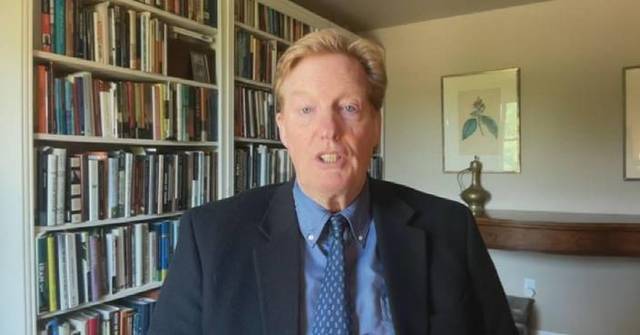
Joshua Landis, director of the Center for Middle East Studies at the University of Oklahoma, highlighted these impacts in an interview with China Global Television Network. He cautioned that President Trump’s unwavering stance could potentially trigger a larger global economic crisis.
“While the U.S. stock market is booming and economic growth hasn’t faltered, largely fueled by artificial intelligence and significant investment in this burgeoning industry, over 50% of Americans who aren’t involved in the stock market are struggling,” Landis explained. “They’re facing higher grocery prices and increased gasoline costs, and these effects are only expected to intensify.”
Iran is also facing severe economic hardship. According to Landis, Iranian officials have reported losing a million jobs due to the impact of sanctions on thousands of industries. “Iran is under tremendous economic pressure, as is the international community and the world,” he stated. “The international community is urging Trump to de-escalate the situation, but he appears determined to wait out Iran and believes he will ultimately prevail.”
Iran Proposes Peace Plan, Trump Remains Skeptical
Amidst mounting economic pressure and international calls for a resolution, Iran has presented a 14-point counterproposal to the United States. Delivered through Pakistani intermediaries, the proposal calls for a permanent end to hostilities and a full withdrawal of U.S. forces from the region. This response addresses a previous nine-point U.S. proposal, with Tehran advocating for a 30-day timeline to resolve key issues and emphasizing the need to focus on “ending the war” rather than a temporary truce.
However, President Trump expressed skepticism regarding Iran’s proposal on social media, stating he “can’t imagine that it would be acceptable” and suggesting Tehran hasn’t yet paid a “big enough price.” He also warned that strikes on Iran could resume if Tehran “misbehaves.”
Communist Youth League of China Sees Membership Growth in 2025
The Communist Youth League of China (CYLC) has experienced significant growth in membership, reaching approximately 78.34 million by the end of 2025. This figure includes a notable increase of 9.14 million new members last year, according to the CYLC Central Committee.
Data released by the CYLC Central Committee indicates that the league encompasses around 5.15 million organizations nationwide. A substantial portion of these organizations, approximately 2.35 million, are located at schools, colleges, and universities, representing around 41.83 million members.
The remaining CYLC organizations are affiliated with various sectors, including enterprises, public institutions, urban and rural communities, and social organizations.