
Stevie Wonder’s “Journey Through the Secret Life of Plants”: A Deep Dive into African Influences and Global Consciousness
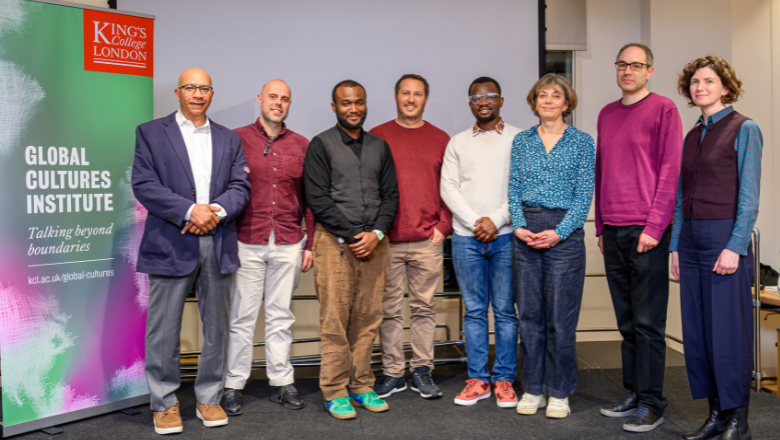
Professor Kevin K. Gaines, the Julian Bond Professor of Civil Rights and Social Justice at the University of Virginia, recently illuminated the profound African influences on Stevie Wonder’s experimental album, Journey Through the Secret Life of Plants, during the Global Cultures Institute’s annual lecture on March 4th.
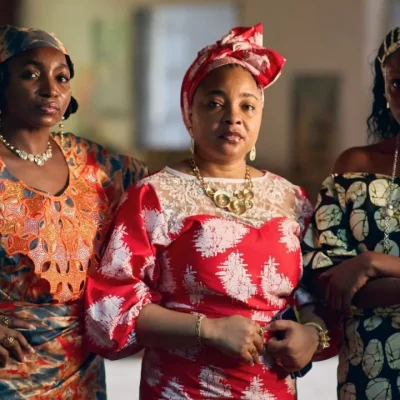
Professor Gaines positioned Wonder’s 1979 album as a product of the musician’s experiences at FESTAC ’77, the Second World Black and African Festival of Arts and Culture, held in Lagos. The album sits at a fascinating intersection of significant historical issues – civil rights movements, African liberation, and a burgeoning interest in environmentalism – alongside Wonder’s own unique perspective as a Black, blind, and internationally touring artist.
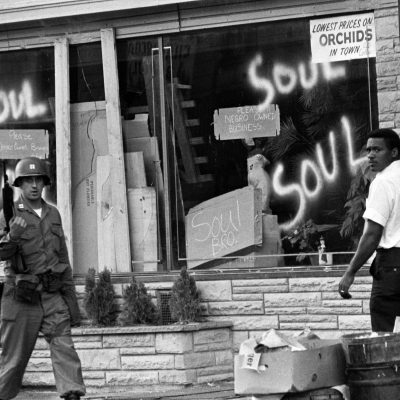
“Wonder – like many artists of the Black Power era – was concerned with embracing African heritage in a global Black consciousness and finding solutions to the alienating effects of racial exclusion in American society,” explained Professor Gaines. “He believes strongly in music as a vehicle for consciousness raising.”
The Global Cultures Institute expressed their enthusiasm for hosting Professor Gaines, noting that his lecture brilliantly encapsulated the institute’s mission of fostering dialogue across boundaries, connecting global music aesthetics, ecology, and disability studies.
A ‘Global Homecoming’ and Cultural Exchange
Journey Through the Secret Life of Plants was initially conceived as the soundtrack to a documentary of the same name, which itself was inspired by a book exploring plant communication and response to music. Despite initial scientific criticism, the book resonated with alternative spirituality movements globally.
FESTAC, described as a “global homecoming,” brought together artists and intellectuals from across Africa and the African diaspora, aiming to reconnect communities fractured by the legacies of slavery and colonization. “FESTAC is part of the African American experience of return,” Professor Gaines stated, “It’s an important intellectual and political right of passage, and African Americans have vested that return with the fulfillment of a romantic yearning.”
As part of the African American delegation, Wonder made his first visit to Africa, performing at the festival’s closing ceremony and even delaying his return to the US to attend the Grammys from Lagos. Beyond the official program, a vibrant “counter FESTAC” emerged at venues like the Afrika Shrine, founded by Fela Kuti, hosting performances and discussions critical of the Nigerian government’s handling of the festival. Wonder visited the Shrine, where he announced plans to distribute gifts to blind children and expressed his joy at his music reaching African audiences.
Professor Gaines highlighted Wonder’s desire to promote African diaspora music to American and African American audiences, emphasizing his aim to raise consciousness through music, drawing parallels to artists like Bob Marley and their critiques of colonialism and enslavement.
Vision Beyond Sight and Ecological Influences
Professor Gaines emphasized Wonder’s desire to connect with global audiences and use music as a form of political advocacy. His songs often contain subtle references to his life as a sightless person, as well as to racial injustice. He frequently visited schools for the blind during his tours and organized benefit concerts to support disability causes alongside racial equality initiatives.
“Blindness as much as blackness was central to Stevie Wonder’s creative vision and global consciousness,” Professor Gaines asserted.
Wonder sought to challenge perceptions of what individuals with disabilities can achieve by composing a soundtrack for a film he couldn’t see, aiming to open doors for disabled people.
The film, and subsequently the album, incorporated groundbreaking visuals – such as a Venus flytrap capturing an insect or seeds sprouting – lacking cinematic precedents. Wonder’s lyrics, according to Professor Gaines, evoke the sensory experiences of the natural world, reflecting the burgeoning ecological consciousness sparked by the first Earth Day in 1970. Wonder drew on traditions associated with reverence for nature, including Indian, South Asian, Japanese, and European classical and traditional musical idioms.
Despite promotional efforts, the album initially underperformed commercially, but its themes remain strikingly relevant nearly five decades later. “The album’s operation at the intersection between struggles for racial and social justice with disability activism seems prophetic given our current times,” Professor Gaines observed.
Global Black Cultures and Ongoing Dialogue
During a Q&A session with Dr. Jarad Zimber, Director of Research at the Global Cultures Institute, Professor Gaines explored the complexities of large festivals like FESTAC and their potential to marginalize voices. While FESTAC offered African Americans a chance to connect and gain firsthand knowledge, it also presented its own challenges.
Professor Gaines questioned whether FESTAC truly achieved its aim of fostering a global Black consciousness, suggesting that even with good intentions, it was difficult for African Americans – and perhaps Stevie Wonder – to fully realize that vision.
The discussion touched on various topics, including the influence of animism, state sponsorship of artists, African Americans’ relationship to US citizenship, and the festival’s success in raising global awareness of African culture.
Dr. Zimber praised Professor Gaines’s work, stating, “The work done by Professor Gaines in his book American Africans in Ghana has been of foundational importance to the LITAID project. It’s been a great privilege having him at King’s, and hearing him further develop some of the book’s core ideas.”
The Global Cultures Institute, LITAID, and the Empires and Decolonizations Research Hub continue to foster interdisciplinary conversations, exploring boundaries of language, culture, community, and identity, and seeking ways to bridge divides through research, education, and public engagement.