
Kenya Launches Groundbreaking AI Initiative to Empower People with Disabilities
Kenya is spearheading a transformative initiative, the “Kenya AI for Disability Project,” leveraging the power of Artificial Intelligence to integrate Persons with Disabilities (PWDs) into the national economy. This project arrives at a crucial time, addressing the stark reality that only 1% of adults with disabilities in Kenya currently hold formal employment, according to government data.
A Glimpse into the Future: AI-Powered Solutions
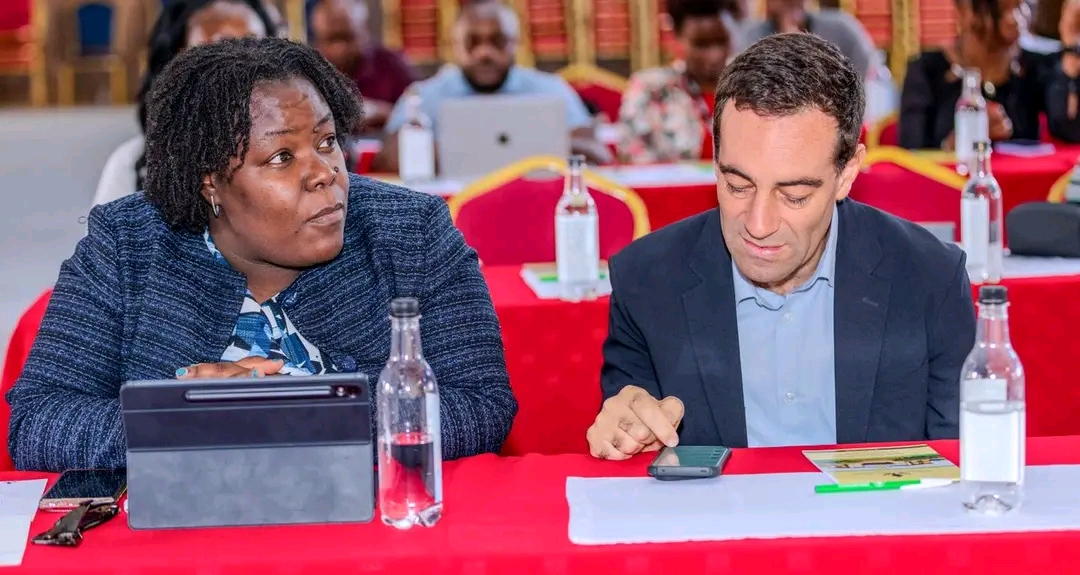
During a recent media tour at the Kenya Institute of Special Education (KISE) in Kasarani, innovators showcased cutting-edge tools designed to break down barriers. These included real-time sign language translation technology converting gestures into text and AI-driven navigation systems assisting the visually impaired. The forthcoming official launch promises to revolutionize how both the public and private sectors approach disability inclusion.
Understanding the Kenya AI for Disability Project
This ambitious project is a collaborative effort uniting the Kenyan government, the tech innovation hub Qhala, and strategic global technology partners. The initiative rests on three core pillars:
- Digital Skills Training: Equipping PWDs with the necessary skills to thrive in the digital age.
- Assistive AI Hardware Development: Creating specialized AI-powered tools tailored to the unique needs of PWDs.
- Policy Advocacy: Championing policies that mandate accessibility in digital government services, ensuring inclusivity by design.
The ultimate goal is to empower PWDs, moving them from the periphery of the workforce to the forefront of Kenya’s burgeoning tech revolution.
The “Digital Equalizer”: AI Bridging the Gap
Think of AI as a “digital equalizer.” Just as the internet revolutionized work by enabling remote opportunities, AI can empower individuals with speech impairments to confidently participate in professional settings. AI-powered synthesized voices can deliver a professional tone, facilitating successful business meetings. Furthermore, AI-powered screen readers are being meticulously optimized for local Kenyan dialects, eliminating language barriers to technology access.
Why This Initiative Matters for Kenya’s Economic Growth
Kenya is home to an estimated 4.4 million individuals living with various disabilities. Historically marginalized, this demographic has often been relegated to low-skill informal labor or reliant on family support. This exclusion represents a significant economic loss for the nation, with Kenya potentially losing between 3% and 7% of its potential GDP annually by failing to fully integrate PWDs into the workforce.
Key Facts & Figures:
- Significant Employment Gap: Currently, only 1% of PWDs are formally employed, falling far short of the 15% target set for 2030.
- Large Population Impact: 4.4 million Kenyans live with disabilities.
- Project Focus Areas: The project prioritizes sign-to-text AI, tactile digital interfaces, and facilitating remote work placement opportunities.
How the Technology Works: Localized AI for Maximum Impact
The project utilizes advanced “Large Language Models” (LLMs) specifically trained and adapted to the Kenyan context. A prime example is the sign-language translation app, which goes beyond recognizing American Sign Language (ASL) and is being meticulously fine-tuned to understand the nuances of Kenyan Sign Language (KSL). This localization is crucial for ensuring the technology’s effectiveness in everyday settings like hospitals, banks, and government offices.
Building a Sustainable Ecosystem: Digital Skills for All
Beyond simply utilizing AI tools, the “Digital Skills for All” curriculum empowers PWDs to build them. By training a cohort of PWD developers, the government is fostering a self-sustaining “AI for Disability” ecosystem. As a Ministry representative aptly stated, “Innovation must be inclusive by design; otherwise, we risk building new digital walls for those who already face physical ones.”
What’s Next for the Kenya AI for Disability Project?
Following the official launch, the government plans to deploy these AI tools across all 47 counties, beginning with vocational training centers. A proposed “Disability Tech Fund,” providing KES 100 million in seed capital, will further support startups focused on developing inclusive technologies. For the thousands of learners at KISE and similar institutions, this project signifies more than just technological advancement—it represents a pathway to dignity, independence, and a fair share of Kenya’s digital future.