
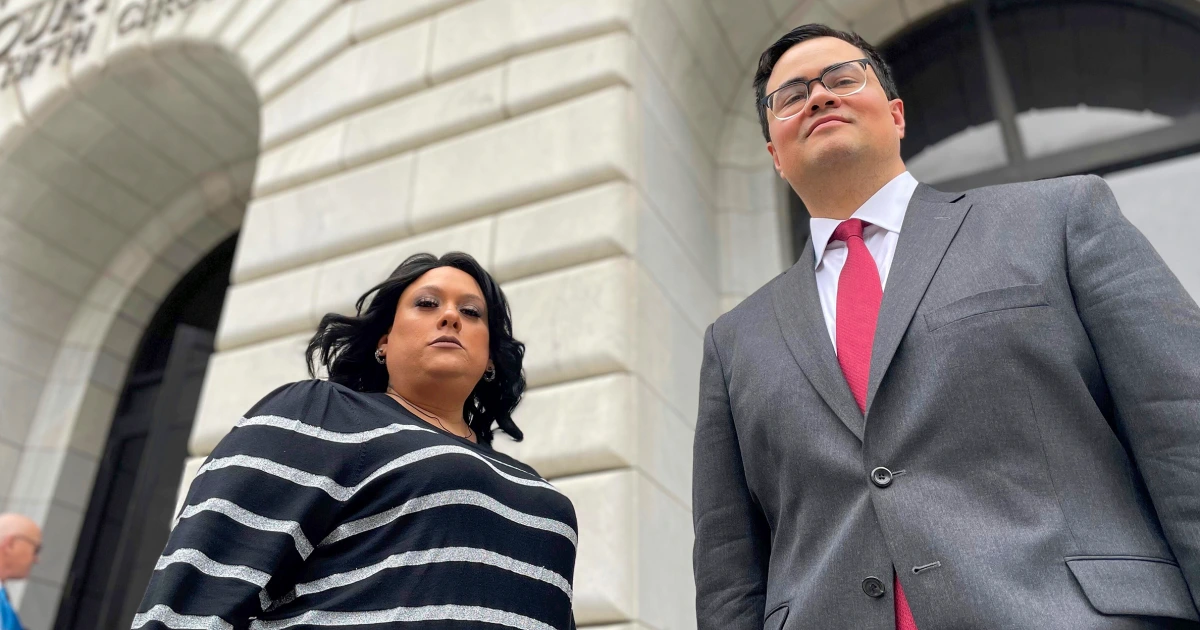
The Supreme Court declined to revive a civil rights claim brought by a citizen journalist who was arrested for soliciting information from a police officer. The case, concerning reporter Priscilla Villarreal, centered on whether officials in Laredo, Texas, could utilize the legal defense of qualified immunity to shield themselves from a lawsuit. The court’s decision effectively ends Villarreal’s claim that the officials violated the First Amendment’s protection of freedom of speech.
Background of the Case
In 2017, Villarreal, who maintains a substantial local following on Facebook, texted a police officer to confirm the identities of a suicide victim and a car accident victim, information not yet publicly released. She subsequently reported this information. Officials then arrested Villarreal for allegedly violating a state law that prohibits soliciting information from a public employee for personal gain. Although the charges were quickly dropped, Villarreal initiated a civil rights lawsuit alleging a violation of her free speech rights.
Qualified Immunity and Legal Arguments
Villarreal’s legal team argued that qualified immunity—a legal doctrine that protects government officials from liability in civil lawsuits unless their conduct violates clearly established statutory or constitutional rights—should not apply in this instance. They contended that officials would have known enforcing the state law in this manner constituted a clear violation of free speech.
Defendants in the case included former Laredo Police Chief Claudio Trevino and District Attorney Isidro Alaniz. Lower courts had previously ruled against Villarreal on the qualified immunity question, prompting her appeal to the Supreme Court.
Supreme Court Decisions and Dissents
The Supreme Court had previously instructed the 5th U.S. Circuit Court of Appeals to re-examine its ruling in favor of the defendants, but the court reaffirmed its original decision.
In a separate case heard on Monday, the Supreme Court sided with a Vermont police officer who faced an excessive force claim for handling a protester in the state Capitol building, finding that lower courts incorrectly denied the officer qualified immunity.
Justice Sonia Sotomayor dissented in both cases, expressing concern over the court’s tendency to favor police officers in qualified immunity disputes. She stated that the court’s decision in the Vermont case granted officers license to inflict gratuitous pain on nonviolent protestors.
Qualified Immunity Doctrine
Qualified immunity, established by the Supreme Court and not Congress, has faced criticism from legal groups across the political spectrum. The current justices have largely avoided revisiting the doctrine despite numerous appeals from litigants.