
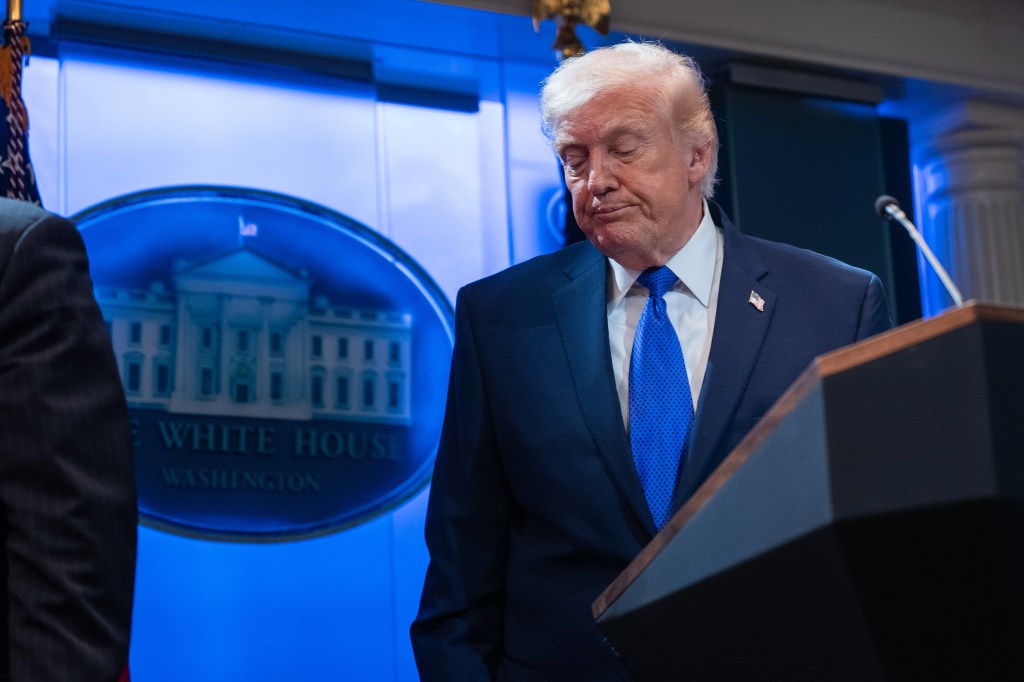
The Supreme Court has ruled against President Donald Trump, finding that he lacked the constitutional authority to impose tariffs. This decision marks a significant moment, indicating the court’s willingness to limit presidential power. The case involved challenges to presidential actions, with the court previously ruling in favor of the president in 22 out of 24 such instances.
Background on the Tariffs
President Trump has frequently utilized tariffs, asserting his ability to impose or rescind them at will. He and Solicitor Gen. D. John Sauer argued that the tariffs were promoting economic prosperity and restoring America’s standing in the world. However, the Supreme Court’s ruling, delivered by Chief Justice John G. Roberts Jr., determined that the president does not possess the power to impose tariffs, citing the constitutional principle that Congress holds the authority to levy taxes, which include tariffs.
The International Emergency Economic Powers Act (IEEPA)
The central legal question revolved around whether the International Emergency Economic Powers Act (IEEPA) authorized the president to impose tariffs. While the IEEPA allows the president to “regulate … importation” to address “unusual and extraordinary threats,” it does not explicitly mention tariffs. The court concluded that the law does not grant the president such authority, noting that Congress must explicitly delegate its power to raise taxes, including tariffs.
The Major Questions Doctrine
A significant portion of the court’s deliberations focused on the major questions doctrine, a legal principle established by the court. This doctrine stipulates that federal agencies cannot act on matters of significant economic or political importance without clear congressional guidance. The justices were divided 3-3-3 on whether the tariffs violated this doctrine. Chief Justice Roberts, joined by Justices Gorsuch and Barrett, determined that tariffs constitute a major question and that Congress had not provided sufficient authorization for the president’s actions. Justices Kagan, Sotomayor, and Jackson dissented from this aspect of the decision, expressing their broader disagreement with the major questions doctrine itself.
Unresolved Questions
The Supreme Court’s decision leaves several key questions unanswered. Notably, it does not address whether refunds are required for the tariffs that were illegally imposed, nor does it outline a plan for funding or implementing such refunds.
Implications for Presidential Power
The ruling is considered a significant check on presidential power, particularly for a president who has expressed a belief in expansive executive authority. The court’s willingness to rule against President Trump on this substantial issue underscores the importance of judicial oversight in safeguarding democratic principles.