
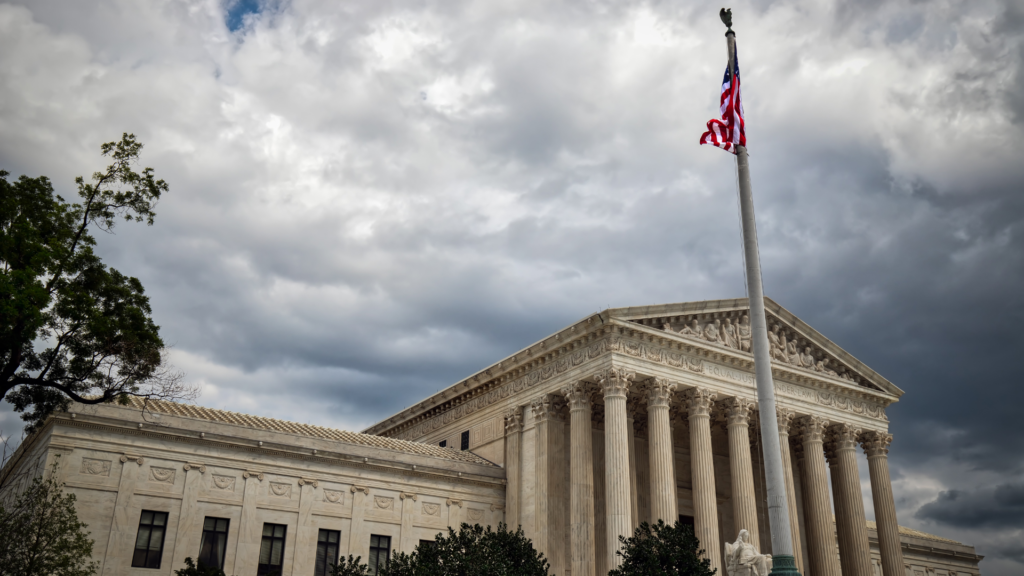
The U.S. Supreme Court on Monday vacated a lower court’s ruling that upheld a Biden-era rule outlawing certain residential gas furnaces beginning in late 2028.
Catch up quick: The Department of Energy in 2023 finalized a rule requiring all residential gas furnaces manufactured after December 18, 2028, to have an AFUE rating of at least 95 percent.
- Gas industry groups sued the agency in response, arguing that the rule would effectively force non-condensing furnaces out of the market; however, a federal appeals court in November 2025 upheld the rule.
- The gas groups in January 2026 appealed to the Supreme Court, and since then, industry associations, including HARDI and PHCC, nearly two dozen state attorneys general, and, most recently, the Trump administration, have backed their push to take up the case.
What’s happening: In a Monday order, Supreme Court justices directed the appeals court to reconsider its decision “in light of the position” of the Trump administration.
What they’re saying: “Sending the case back to the lower court is a strong step toward ensuring this rule receives the scrutiny it warrants,” Alex Ayers, vice president of government affairs at HARDI, said in a statement. “We have heard significant feedback from our members that moving to condensing-only systems will hurt consumers, and the rule needs to be overturned.”
- “PHCC has long maintained that mandating condensing only products will present financial burdens for some consumers, and this Association is pleased that the U.S. Supreme Court agrees that the decision of the D.C. Circuit was flawed in its process,” added Chuck White, vice president of regulatory affairs at PHCC. “Vacating and remanding in this instance will allow the court to finally get this right.”
Yes, but: While Monday’s development increases the likelihood that the rule could ultimately be overturned, the rule remains in effect for now.
- Of note: The Department of Energy (DOE) is currently weighing whether to delay the rule’s implementation to January 1, 2030, while the litigation, regulatory reviews, and broader policy changes are resolved.
- Representatives for the DOE didn’t return a request for comment.
Looking ahead: There’s no set timeline for when the appeals court will issue a new decision.