
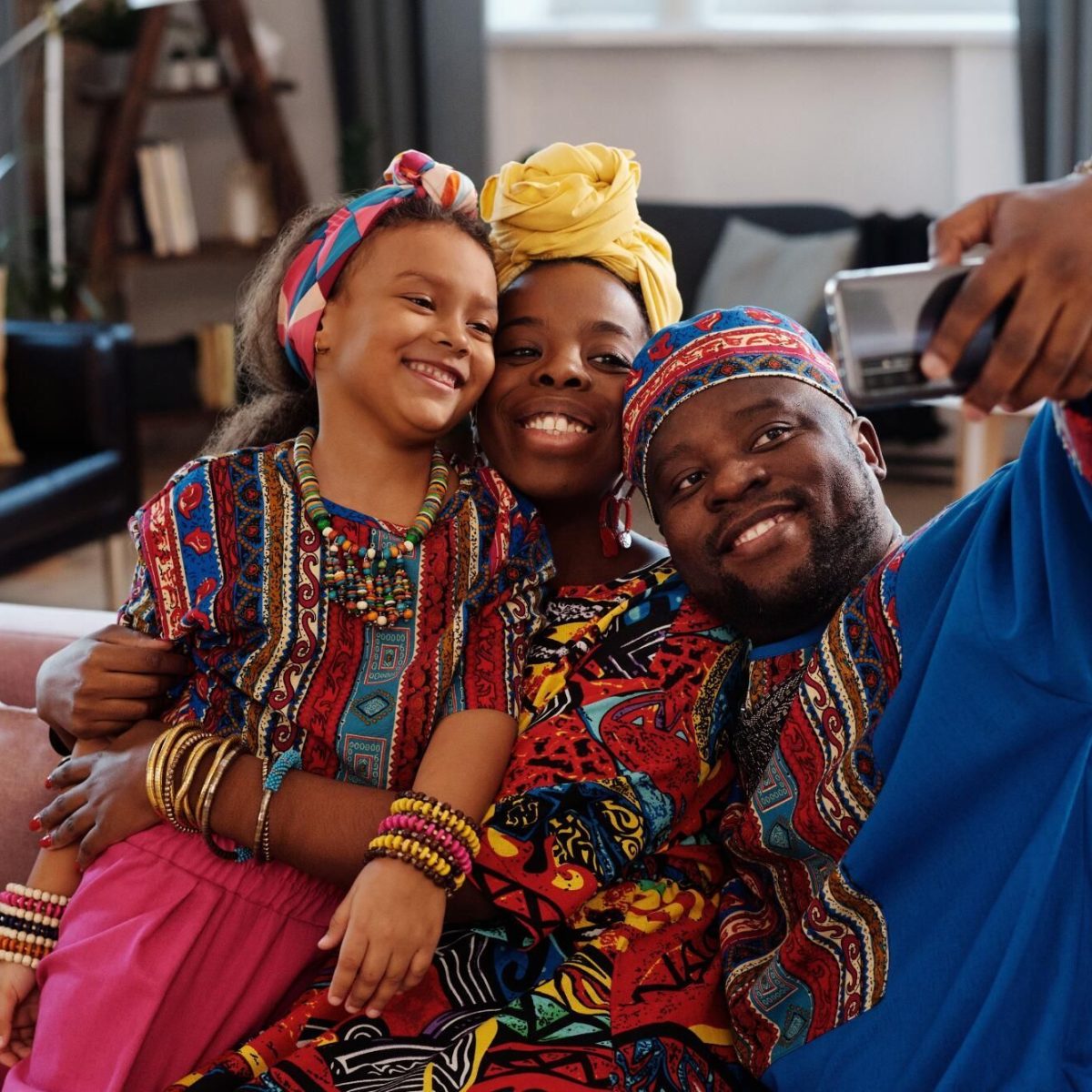

When members of the African diaspora search for safe flights to another country, it’s often for more than sightseeing. More people are turning travel into pathways for ancestral connection and preservation, creating a thriving heritage tourism movement. A well-planned cultural trip may include connecting over shared art and musical roots, tracing the footsteps of Black American writers and Jazz artists in Paris on Julia Browne’s Walk the Spirit tours, and patronizing museums built on an Afro-descended perspective.
Black American travellers became a $145 billion audience in 2025, according to MMGY Travel Intelligence. From Black women doing solo travel to Black families scouting new homes abroad in locales like Portugal and Ghana, this market is likely to rise. As the diaspora goes around the world opening businesses and making new connections online and in person, it’s easier for the global Black population to participate in culturally focused events and traditions directly from the source.
RELATED CONTENT: Rihanna Takes Fenty Beauty To The Motherland
How Is the African Diaspora Participating in Cultural Travel?
As Black travelers book international trips, many are planning itineraries that engage with the Afro communities as much as possible.
If you take the country flag quiz to find a new place to visit, you may be surprised at the hidden Black culture that awaits you. For years, UK travel marketing focused on places like the West End or Buckingham Palace’s changing of the Guard. However, Black travelers aiming to see how Jamaicans and Africans adapted to the UK know to check out Brixton.
Did you know there were Black people in Scotland? Thanks to charming and funny social media posts on TikTok from Black residents, many Black Americans, including celebs like Sterling K. Brown, quickly developed an online bond with them. The reaction helped make the hashtag #BlackScottishTikTok trendy, with many planning trips to the smaller UK country.
Safaris were once exclusive luxury tourism activities run by white-owned operators with Eurocentric marketing. Today, the Black diaspora is going anywhere from South Africa to Kenya and Tanzania for safari explorations led and owned by locals.
African Bush Camps was founded by local Zimbabwean Beks Ndlovu and operates across three countries. Participant support also helps the African Bush Camps Foundation’s local projects spanning Botswana and Zambia.
Where Do Diaspora Museums Fit?
Several Western museums built their collections on stolen artifacts from various Black nations, and some have had to give them back. Consequently, there’s been a shift with more museums controlled by or collaborating with Black cultures and experts to tell their story.
Instead of watching one of Hollywood’s countless depictions of Egypt’s pharaohs and queens played by White actors with British accents, one can book a journey to Southern Egypt and tour the Nubian Museum. Get deeper into Nubian culture by touring the villages featuring:
- Boldly colored houses
- Locals practicing traditional looming
- A taste of their rich cuisine
When you’re not surfing or stretching on the beach in Senegal, get tickets to the Museum of Black Civilizations in Dakar that opened in 2018. It highlights continental Africa and the global Black population.
Learn about the heroine of the Underground Railroad by visiting the Harriet Tubman Underground Railroad National Monument and National Historical Park preserve in Maryland.
The Smithsonian’s Museum of African American History in Washington, D.C, educates all Americans and foreign visitors on the impact Black Americans have had in building the United States. See artifacts ranging from the Pre-colonial period in Africa to preserved Southern slave cabins and cotton gins to details about the Great Migration from the South to the North and West that changed the fabric of the country.
The Gullah Geechee Connection: A Bridge to the Past
In the United States, the African diaspora still has preserved links to African linguistic and cultural heritage through the Gullah Geechee Heritage Corridor.
The area spans:
- Georgia
- North Carolina
- South Caroline
- Florida
Thanks to the isolation on these barrier Islands, the Gullah Geechee people were able to preserve more of their cultural and language heritage than the mainland Black American community.
Hearing their language can transport you back to Central Africa as it blends with English. West African basket techniques continue to thrive with the use of sweetgrass.
As seen throughout the staples of Southern American food, the Gullah Geechee center their diet around:
Learn about their resilience and how they maintained the traditions through cultural site tours led by natives. Visit the landmark and former school for freed slaves at the Penn Center.
Highlight your Charleston, South Carolina vacation by contacting Gullah Tours to learn about the city’s regional slave trade history and its connection to the Gullah Heritage.
Frequently Asked Questions
What Percent of the World Is Black?
According to Quantumrun Foresight, 18% of the world’s 8.1 billion people in 2024 were Black and African. The Black diaspora outside Africa is about 250 million people worldwide. In Africa, Nigeria has the largest population at 223 million, followed by Ethiopia’s 126 million.
The use of the word “Black” can shift globally, as it may be a cultural or social term rather than a strictly biological definition in many areas. Therefore, what’s considered a Black population can change based on country and its census method.
Not every country tracks its population based on race or skin color, so precise calculations may be off.
Which US State Is the Blackest?
In the United States, Mississippi has the highest population of Black residents at 38%, according to World Population Review.
It’s followed by:
- Louisiana and Georgia at 33%
- Maryland at 32%
- Alabama at 27%
However, the true winner goes to Washington DC, but it’s not an official state. The Black population is over 44% as of 2024.
Global Trips Can Be a Lesson in Black History
The African diaspora is turning solo trips, family gatherings, and tours into a time to connect with others and support Black businesses around the world, from the UK to Senegal. Visit a museum in a Black country that got its artifacts returned from Europe.
Black Americans who don’t feel like making an international flight have access to preserved history from the Gullah Geechee to an expansive museum network and festivals.
Journey through our website for more culturally relevant news.
RELATED CONTENT: How Lisbon’s Food Scene Serves Diaspora on a Plate