

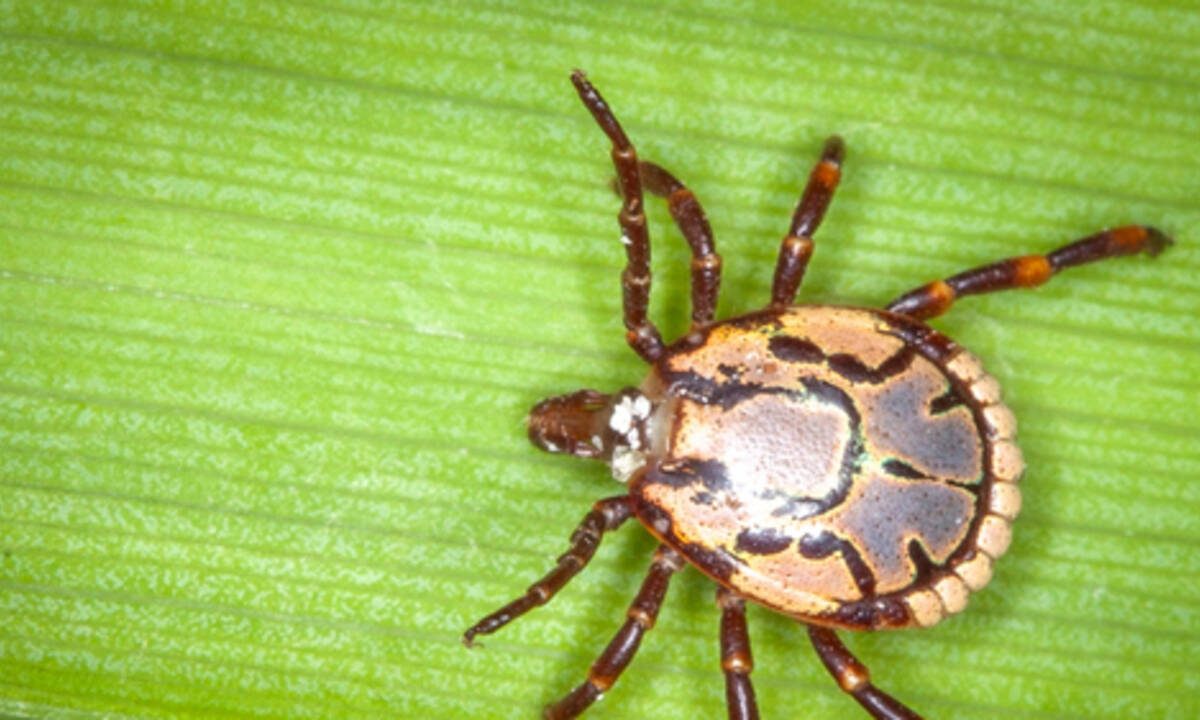
A particular tick species that was once confined to parts of northeastern South Africa and coastal regions is now showing signs of spreading. The scientists say climate change may speed up this process. Researchers studying Amblyomma hebraeum concluded that the area where the tick can thrive may expand significantly in the coming decades. According to a 2026 study published in Tropical Animal Health and Production, indexed in PubMed, climate change forecasts indicate that by 2065, most of the central and eastern parts of South Africa might become conducive to this tick. The concern is that the tick can carry pathogens that affect cattle and, in some cases, humans.Reasons why scientists are closely monitoring this tickThe tick is commonly called the South African bont tick because of its distinctive colouring. It is an important carrier of the bacteria called Ehrlichia ruminantium, which is the causative agent of heartwater disease. According to research published in the Onderstepoort Journal of Veterinary Research, available through PubMed, heartwater is listed as one of the most important diseases in ruminants caused by ticks in southern Africa. Heartwater can result in the deaths of many domesticated animals, especially those that do not have immunity to the pathogen. The tick is also a carrier of the bacteria called Rickettsia africae that causes the African tick-bite fever. Studies have shown that immature ticks can infect humans and spread the disease.
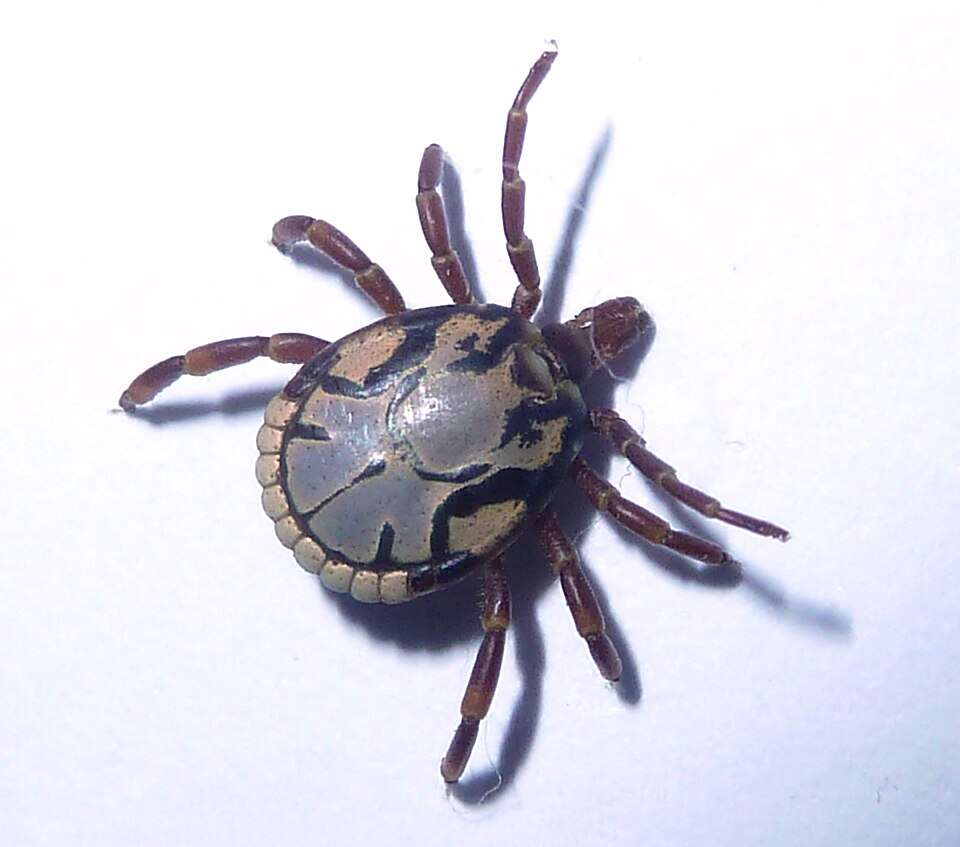
A tick species is expanding its habitat across South Africa due to climate change. This expansion poses significant risks to livestock industries and animal health. The tick carries diseases like heartwater and African tick-bite fever. Image Credit: Wikimedia Commons
Climate change is likely to be creating new habitatsTicks rely heavily on environmental factors including temperature, humidity, and vegetation. With the changes occurring in these parameters due to global warming, ticks may adapt and locate themselves in places where they can survive. In the current research, researchers have used habitat suitability modelling to determine how the range of Amblyomma hebraeum would change due to changing climate conditions.According to this, the habitat of this tick is greater than was estimated earlier, and suitable habitat is expanding in some parts of the Eastern Cape Province. The scientists estimate that in 2065, many central and eastern parts of South Africa will become suitable for the habitat of this tick. But this doesn’t mean that this tick will necessarily live in these areas.A problem for farmers and livestock industriesThe possible expansion of the range of the tick could create problems for the agriculture of South Africa. The heartwater poses danger, especially to those livestock species that have little or no resistance when introduced to places where the disease is found. It was highlighted in previous studies that the economic importance of managing the disease is significant because it may lead to the deaths of animals.In a 2023 study regarding the infection of Ehrlichia ruminantium, the bacteria were found in the tick samples of Amblyomma hebraeum collected from several areas of South Africa. The study used more than 1,000 tick samples that had infections of bacteria.How might this affect humans?While the primary concern here is the health of animals, the researchers also highlight the likelihood of the involvement of humans. Tick-bite fever in Africa, which results from Rickettsia africae infection, is usually characterized by fever, headache, and skin lesions following a bite from a tic. An increase in ticks in newly occupied regions may make medical practitioners in those regions consider tick-borne pathogens while examining their patients. Yet, it is stressed that the climate change models indicate possible changes in suitability, but not the actual outbreaks. Other variables, including the movement of wild species, farming, land usage, and control of ticks, are also important.This study points to a more global trend, namely that climate change is altering the distribution of disease-transmitting insects and parasites. As climate patterns shift, disease-prevention efforts need to account for changing tick and vector ranges. For South Africa, tracking the movement of Amblyomma hebraeum can provide advance notice of potential new disease threats.