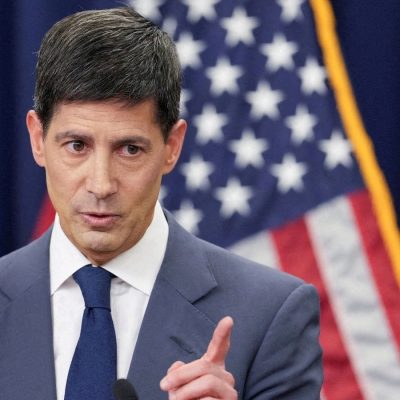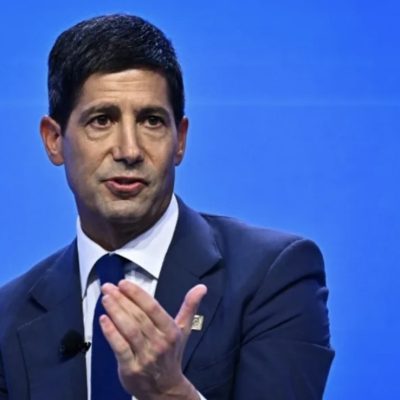


The FOMC voted 10-2 on Wednesday to hold the federal funds rate at 3.75%-4.00%, with the two dissenters favoring a 25bps hike. Yet Fed Chair Kevin Warsh’s assessment of the US economy sounded decidedly hawkish. Economic growth is robust and broadening, the labor market is in good shape, inflation remains above the Fed’s 2.0% y/y target, and financial conditions are hardly tight. So why did the Fed stand pat?
Warsh argued that September’s hike was already tightening financial conditions, inflation expectations remained anchored, and stronger productivity growth was allowing the economy to expand without overheating. With an “information-rich” period ahead, the Fed saw little reason to rush, he said.
In our view, the decision was puzzling. It reminds us of someone standing in a room with a fire alarm blaring and smoke pouring under the door, yet insisting on more evidence before calling the fire department. Thursday’s economic data only reinforced our conviction that the Fed should have raised rates by 25bps on Wednesday. Let’s take a closer look.