
More than Sh21 billion in extra dividends will be shipped to South Africa as Johannesburg-based multinationals buy additional stakes in Safaricom, Absa Bank Kenya and NCBA Group.
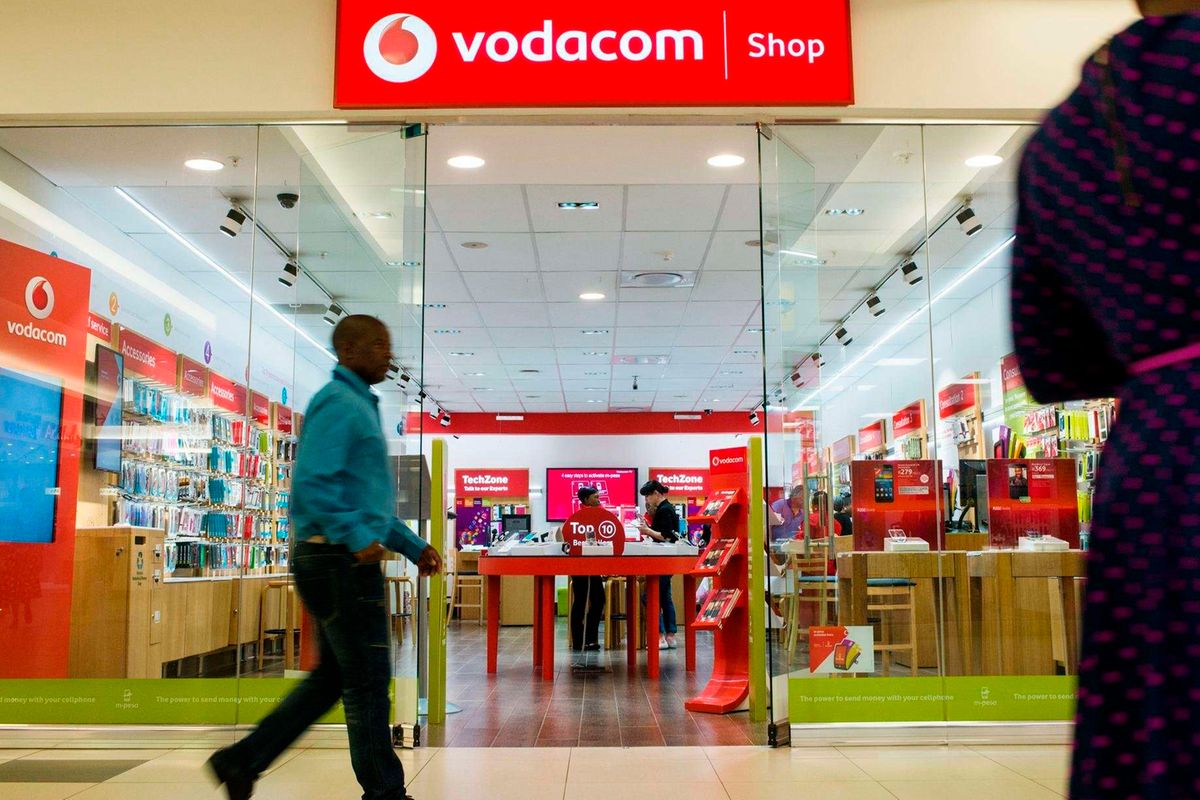
Safaricom’s parent Vodacom Group last month completed the acquisition of an additional 15 percent stake in the company for Sh204.3 billion.
Nedbank has bid for 66 percent stake in Kenya’s NCBA as part of its regional expansion, while South Africa’s Absa Bank is buying an additional 16.5 percent stake in its Kenyan business through a tender offer.
The additional stakes are set to offer the three South African multinationals at least Sh21.5 billion in additional dividends from Nairobi bourse-listed firms, going by the most recent declared payouts.
South Africa’s slow growth and mature sector are pushing its biggest banks and firms to expand elsewhere, targeting high-growth markets and companies across the continent.
Kenya’s appeal lies in its status as gateway to the East African Community, a fast-growing bloc expanding by at least five percent a year.
This has made firms with a steady dividend payout record like Safaricom, Absa and NCBA attractive to foreign firms.
Relatively solid financial regulation, east repatriation of dividends and the freely traded shilling add to the Kenyan attraction.
Safaricom and Absa were among 13 blue-chip firms at the Nairobi Securities Exchange (NSE) that handed their foreign parents a total of Sh65.7 billion in dividends in the 2025 financial year.
“The additional stake will allow Absa Group to capture a larger share of earnings from Absa Kenya, which has strong profitability and growth prospects. We expect the deal to be earnings accretive at the group level over time,” global ratings agency Moody’s said about the Absa transaction.
EXTRA DIVIDENDS BY CHARLES MWANIKI
The increased repatriation of profits will have the effect of further straining the domestic foreign exchange market as the firms buy a larger volume of dollars to share profits with their parents.
It also draws out of the country’s capital that would have been invested locally had it been paid out to resident investors.
The companies with large foreign ownership are also some of the biggest dollar buyers during their dividend season for onward payment to their external shareholders.
The market is currently enjoying ample dollar liquidity, meaning that its purchases for repatriation are unlikely to harm the shilling by draining dollar availability.
A stable exchange rate also means that the multinationals will not experience exchange-related gains or losses when sending dividends to the offshore owners.
Payouts to the South African multinationals could rise if the companies keep up the recent trend of increasing dividends every year on sustained profit growth.
Safaricom, whose financial year closed at the end of March, declared a full-year dividend of Sh2 per share, translating to a payout of Sh32.05 billion for Vodacom and Vodafone for their 16 billion shares.
With its higher stake of 22 billion shares, Vodacom will be in line to bag Sh44 billion if Safaricom maintains the same dividend payout in the year ending March 2027.
The current dividend was split between an interim payout of Sh0.85 a share that was paid out in April, and a Sh1.15 a share final dividend that will be paid in September to shareholders on Safaricom’s books by August 4.
Given that Vodacom has completed the acquisition of the additional six billion shares well before the book closure, the company is in line to bag the Sh6.9 billion in dividends accruing to these shares in September, making an early return on its investment.
Vodacom will therefore bag Sh25.3 billion in the final dividend distribution after receiving Sh13.6 billion in interim dividends, pushing the company’s full-year payout to Sh38.9 billion.
As part of the Safaricom deal, Vodacom agreed to pay the government an advance dividend of Sh40.2 billion, to be recouped from future dividends of Sh55.7 billion that will accrue to the government’s remaining 20 percent stake.
This means that the South African firm will enjoy an additional windfall of Sh15.5 billion from Kenya in the coming years as the government settles its obligation.
For Absa, the Kenya subsidiary paid a dividend of Sh2.05 per share in the year ended December 2025.
Absa Group was paid Sh7.63 billion for its current holding of 3.72 billion shares in the Kenyan unit, which would rise to Sh9.46 billion after the share purchase, presuming the lender maintains a dividend of Sh2.05 per share.
Absa Group’s tender offer for the additional shares opened on June 30 and will run until August 11. The bank usually pays its interim dividend in October, meaning that the new shares are likely to qualify for the year’s total payout in full.
Nedbank’s offer for 66 percent of NCBA stock has meanwhile set the South African lender on the path to netting more than Sh7 billion in annual dividends from the Kenyan bank.
NCBA paid out a dividend of Sh7.10 per share for the year ended December 2025, translating to a total distribution of Sh11.7 billion to its shareholders.
With a 66 percent holding, Nedbank would be entitled to Sh7.7 billion, presuming the dividend per share was unchanged.
NCBA shareholders can tender 66 percent of their holdings to Nedbank in the cash-and-stock offer, which closes on Friday.
Out of this pool of shares, 80 percent of the units will be converted to Nedbank shares at a rate of 4.02994 shares for every 100 NCBA shares, with the remainder settled in cash at a rate of Sh2,100 for every 100 shares, or Sh21 apiece. NCBA owners may apply to sell more shares to Nedbank in case there is undersubscription.