
The multibillion-dollar initiative, announced on Wednesday, May 20, 2026, will be driven through the bank’s newly consolidated Guarantee Platform, a financial risk-sharing mechanism designed to attract private investors into sectors many global financiers still consider too risky.
At the centre of the strategy is a plan to more than double the World Bank’s annual guarantee issuance in Africa to $6.4 billion by 2030, as the institution intensifies efforts to unlock investment into industries capable of generating large-scale employment.
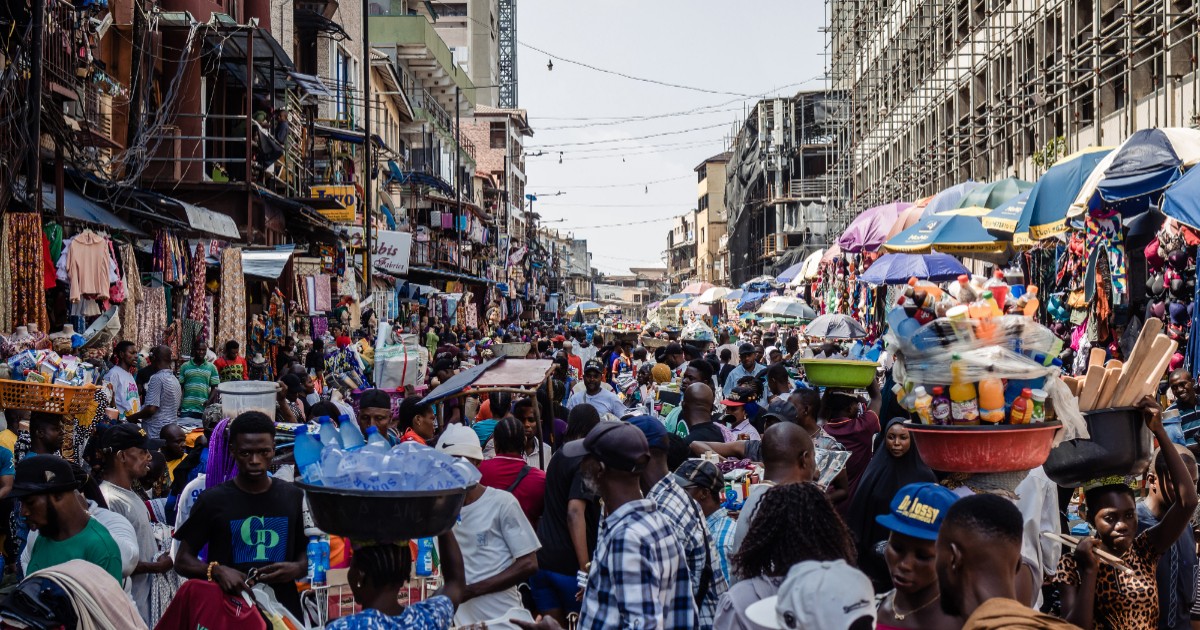
Africa is expected to witness one of the world’s fastest population expansions over the coming decades, with the World Bank projecting that the continent’s working-age population will increase by about 740 million people within the next 30 years. Up to 12 million young Africans are also expected to enter the labour market every year, intensifying pressure on governments already grappling with unemployment, weak infrastructure and slowing economic growth.
Against that backdrop, the World Bank said guarantees would become a key tool for attracting investors to “job-rich sectors,” including agribusiness, energy, healthcare, digital services, finance, trade and transport infrastructure.
The institution projected that nearly 190 million Africans could directly benefit from the intervention within the next four years through expanded electricity access, digital connectivity, transport systems and financial inclusion initiatives.
Power, broadband and jobs drive plan
According to APANews, one of the flagship programmes expected to benefit from the funding framework is Mission 300, a joint initiative between the African Development Bank and the World Bank aimed at connecting 300 million Africans to electricity by 2030.
According to the bank, the guarantees could help provide electricity access to 43 million people while improving financial inclusion for about 50 million individuals and businesses, particularly women-led enterprises that often struggle to secure affordable financing.
The initiative is also expected to expand broadband connectivity to 37 million people and extend digitally enabled services to another 51 million Africans, reflecting the growing importance of internet access in driving economic participation across the continent.
The World Bank further said the financing structure would support AgriConnect, a programme focused on strengthening smallholder farming systems and improving food security amid rising concerns over climate shocks, inflation and supply chain disruptions affecting African economies.
Speaking on the development, Managing Director of the Multilateral Investment Guarantee Agency, Tsutomu Yamamoto, described Africa’s rapidly growing youth population as one of the continent’s biggest economic opportunities if matched with sustained investment and job creation.
“Africa remains home to the world’s youngest and fastest-growing workforce, and guarantees will play a critical role in attracting the investment to create the jobs needed to secure their future,” Yamamoto said.
The World Bank launched the Guarantee Platform in 2024 as a centralised system combining expertise from the World Bank, the International Finance Corporation and MIGA into what it describes as a “one-stop shop” for investment guarantees aimed at reducing commercial risks in emerging markets.