

African nations are increasingly focusing on leveraging the contributions of their diaspora populations to foster social development and build resilience amidst global challenges. A recent high-level session explored strategies to transform remittances—funds sent home by migrants—into catalysts for national progress.
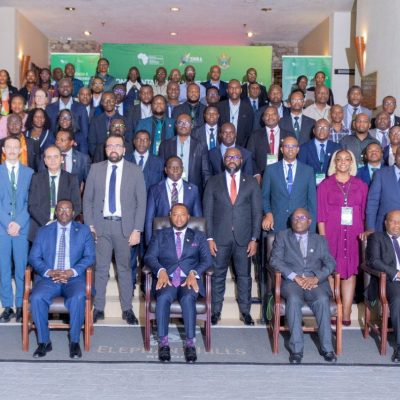
The session, “Unlocking the Potential of Remittances and Diaspora Contributions for Social Development in Africa,” was convened by the Governments of Ghana and Tunisia in collaboration with the United Nations Economic Commission for Africa (ECA).
Remittances and National Development Plans
Remittances to African countries have demonstrated resilience despite global crises, remaining a significant source of income for families. Hanan Morsy, Deputy Executive Secretary of the ECA, emphasized the vast potential of the diaspora, noting that 324 million international migrants contribute nearly 10% of global GDP. She urged countries to integrate these flows into national development plans to address poverty, create jobs, and improve social policies.
Ghana has formally integrated remittances, which reached USD 4.7 billion in 2023 and now exceed official development aid, into its medium-term development plan. Funds are being directed towards education, youth empowerment, entrepreneurship, and community infrastructure, including STEM and digital skills laboratories. Ghana’s National Development Planning Commission is incorporating migration considerations into decentralized planning across all 261 local governments to align these funds with national priorities.
Addressing Challenges and Developing Strategies
In Tunisia, where remittances represent 6.5% of GDP, officials are working to address challenges such as high transfer costs and administrative hurdles. With ECA support, Tunisia is developing a national strategy that includes a diaspora investment fund and products designed to attract capital into sustainable projects. The situation is particularly pressing in Comoros, where remittances constitute a substantial 20% of GDP, prompting plans for a Diaspora Stability Fund to channel these funds into productive investments and community infrastructure.
Beyond Financial Contributions: The ‘32nd Region’
The value of the diaspora extends beyond financial remittances. Côte d’Ivoire views its diaspora as the country’s “32nd region,” with over USD 1 billion remitted in 2024. The government is mapping diaspora skills and actively recruiting professionals in sectors like aviation and technology to drive innovation.
The International Organization for Migration (IOM) highlighted the remarkable growth of remittances, which increased by 16.4% during the peak of the COVID-19 pandemic. Formalizing these flows, engaging diaspora communities in development planning, and fostering private-sector partnerships to reduce transaction fees were emphasized as key priorities.
Capacity Building and Brain Circulation
Participants from Cameroon, Tunisia, and Bangladesh underscored the need for capacity building to ensure that receiving households can productively invest remittances. The issue of “brain drain” was addressed with proposals for “brain circulation,” facilitating temporary returns of diaspora experts to transfer skills.
Key Recommendations for Action
Several recommendations emerged to guide future efforts:
Integrating remittances into national fiscal and development frameworks.
Reducing transaction fees and improving the regulatory environment.
Creating diaspora bonds, mutual funds, and green investment platforms to attract capital.
Investing in education, digital skills, and entrepreneurship, particularly for youth and women.
Strengthening collaboration between governments, diaspora groups, and the private sector.
Improving data systems to accurately measure and leverage diaspora contributions.
With African diaspora savings estimated at USD 53 billion annually, the ECA emphasized the potential for the continent to build a more self-reliant and prosperous future by harnessing the contributions of its global citizens.