
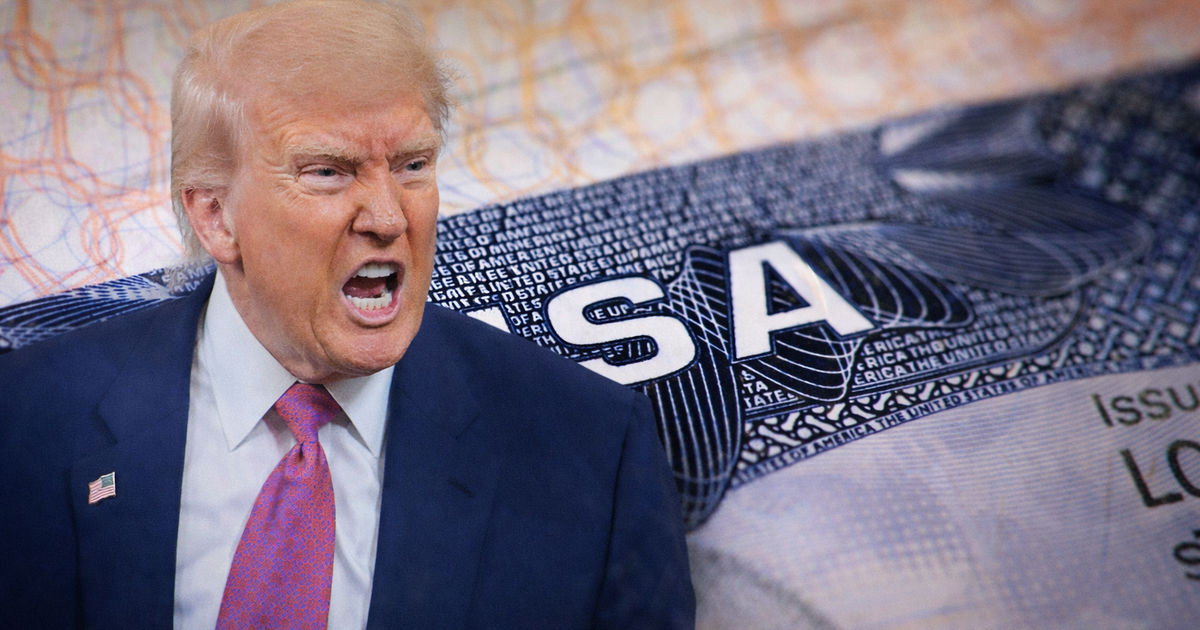
The US State Department has implemented a new policy requiring significant upfront financial bonds from visa applicants from several African nations and Turkmenistan. This move has raised concerns about affordability and access for African travelers, particularly as global mobility remains uneven.
Affected Countries
The newly affected countries are Bhutan, Botswana, the Central African Republic, Guinea, Guinea-Bissau, Namibia, and Turkmenistan. The policy went into effect on January 1, following a notice published on the official travel.state.gov website.
Financial Bond Requirements
For applicants from these countries, the policy introduces a substantial upfront financial obligation. Applicants may be asked to post a bond ranging from $5,000 to $15,000, equivalent to roughly the same amount in US dollars. US authorities state this measure is designed to discourage visa overstays and improve compliance with immigration laws. The State Department asserts the bond is refundable if a visa is refused or if the traveler adheres to the terms of their visa.
Expanding Restrictions
Several African countries, including Mauritania, São Tomé and Príncipe, Tanzania, Gambia, Malawi, and Zambia, were added to the bond list in August and October of the previous year. Beyond the bond requirement, applicants also face mandatory in-person interviews, increased disclosure of social media history, and detailed reporting of travel and residence records.
Defenses and Exemptions
US officials defend the policy as a necessary security tool aimed at reducing overstays. Exemptions exist for lawful permanent residents, some existing visa holders, diplomats, and athletes traveling for major international sporting events. Waivers may also be granted on a case-by-case basis when travel is deemed in the national interest.
Criticism and Potential Implications
Immigration advocates contend that the expanding bond list reflects a broader shift towards restrictive immigration practices that disproportionately affect developing countries, particularly in Africa. Analysts suggest the policy could have lasting implications for educational exchange, business links, tourism, and diplomatic relations between the United States and African nations.