
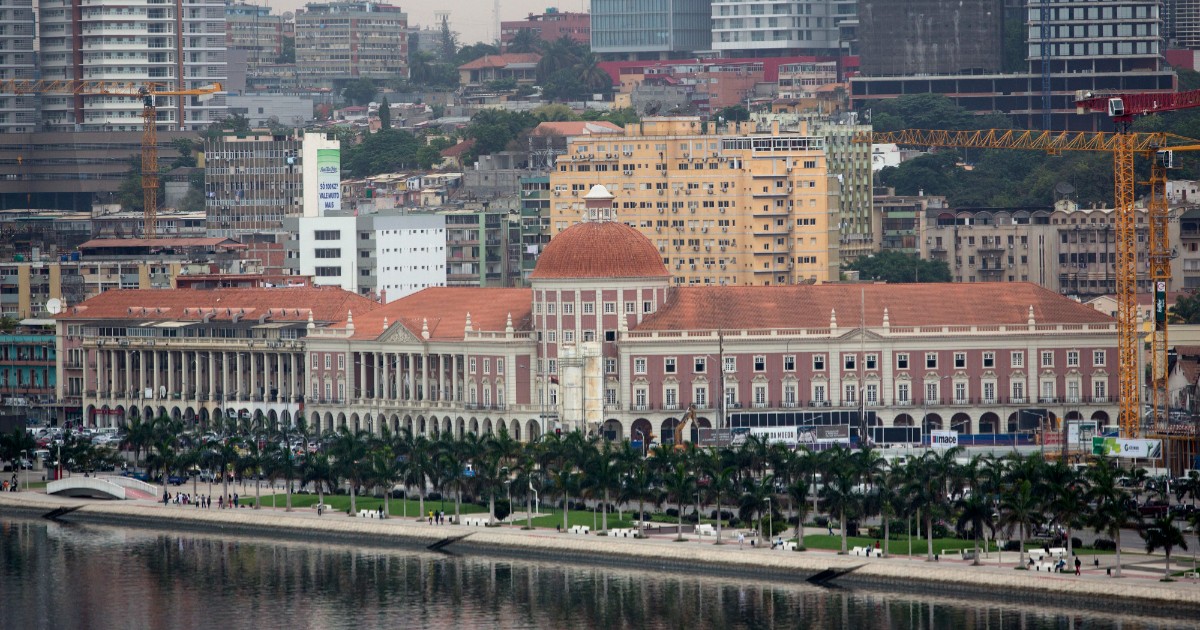
According to a directive issued by the Bank of Angola on July 2 and published on Thursday, banks can now use the Chinese yuan alongside the U.S. dollar, euro and South African rand to meet foreign-currency reserve requirements.
Mandatory reserves are funds commercial banks are required to hold with the central bank to support financial stability and manage liquidity within the banking system.
While the directive appears to be a technical regulatory adjustment, it reflects Angola’s increasingly close economic relationship with China.
China has been Angola’s largest trading partner for years, buying most of the country’s crude oil exports while financing billions of dollars’ worth of roads, railways, power projects and other infrastructure over the past two decades.
The two countries’ commercial ties have made the yuan increasingly relevant to Angola’s financial system.
The move also comes as Angola continues to strengthen its financial sector following recent banking reforms aimed at improving resilience, liquidity management and financial stability.
Part of China’s bigger strategy
Angola’s decision fits into Beijing’s broader effort to internationalise the yuan.
China has stepped up initiatives to encourage the use of its currency in trade settlements, cross-border payments and reserve management, particularly across emerging markets where Chinese trade and investment have grown rapidly.
Just weeks ago, China’s central bank authorised new renminbi clearing arrangements in Africa through major banking partners, making it easier for businesses across the continent to settle transactions directly in yuan.
The growing adoption of the Chinese currency is being driven not only by Beijing’s ambitions but also by efforts among some emerging economies to diversify payment and reserve currencies, reduce foreign-exchange costs and deepen trade with China.
The dollar still dominates
The latest policy does not signal a shift away from the U.S. dollar, which remains by far the world’s dominant reserve and trade currency.
Instead, the change gives Angolan banks greater flexibility to hold reserves in the currency of one of the country’s most important trading partners while supporting cross-border business with China.
For Angola, the decision reflects economic realities more than ideology. As one of Africa’s largest crude exporters and a long-standing recipient of Chinese financing, incorporating the yuan into its reserve framework aligns the country’s banking rules with the structure of its trade and investment flows.
More broadly, the move illustrates how China’s economic relationship with Africa is evolving beyond infrastructure lending and commodity trade into the financial architecture of the continent itself.
While the dollar remains firmly dominant, the yuan is steadily carving out a larger role in African banking and cross-border commerce.