
The Government has reaffirmed its commitment to improving prevention, diagnosis, treatment and long-term care for people living with Sickle Cell Disease (SCD), with Principal Secretary for Medical Services Dr. Ouma Oluga saying ongoing Taifa Care reforms are strengthening access to quality healthcare across the country.
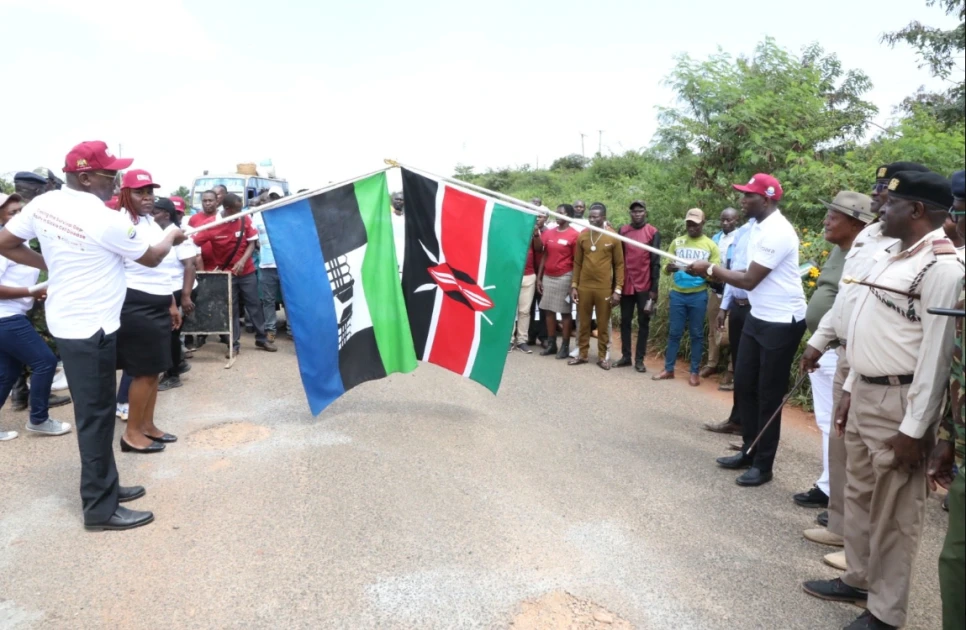
Speaking on Friday during the national commemoration of World Sickle Cell Day 2026 at Bunyala TVET College in Budalangi, Busia County, Dr. Oluga said this year’s theme, *”Closing the Survival Gap: Equity in Sickle Cell Disease,”* aligns with Kenya’s Universal Health Coverage agenda by promoting equitable access to lifesaving services.
“Our reforms are designed to ensure that no Kenyan is left behind, including those living with chronic conditions such as sickle cell disease,” the PS said.
He noted that the four pillars of Taifa Care, namely health financing, primary healthcare, digital health, and health products and technologies, are supporting improved care for SCD patients.
As of 8 June 2026, 31.39 million Kenyans had registered with the Social Health Authority, with 9.01 million accessing services through the Primary Health Care Fund and 4.4 million through the Social Health Insurance Fund.
Dr. Oluga disclosed that an estimated 14,000 children are born with sickle cell disease annually in Kenya, particularly in 17 high-burden counties, stressing the importance of early diagnosis to reduce preventable deaths among affected children.
He said primary healthcare and digital health reforms are enhancing early diagnosis, continuity of care and disease surveillance, adding that plans are underway to establish a National Sickle Cell Disease Registry to improve planning and patient outcomes.
So far, more than 7,000 infants have been screened and linked to care through Ministry-led and partner-supported programmes. In addition, over 800 healthcare workers, 700 Community Health Promoters and 215 Sickle Cell Champions have been trained to support service delivery and community awareness.
In a major boost for patients, the PS announced that the SHA benefit package now includes Red Blood Cell Exchange transfusion support of up to KES 70,000 annually for eligible patients.
“We are committed to ensuring uninterrupted access to essential medicines, diagnostics, hydroxyurea and safe blood products for all sickle cell patients,” he said.
Dr. Oluga also welcomed the launch of the IMARA Care Framework, a partnership between the Ministry of Health and Terumo Blood and Cell Technologies aimed at expanding access to safe blood and advanced transfusion services for people living with SCD.
He further commended Busia County for being among the first counties selected for the expansion of the PEN-Plus programme beyond the pilot phase, terming it a demonstration of the potential for decentralised specialised care.
The event brought together national and county government leaders, development partners, healthcare professionals