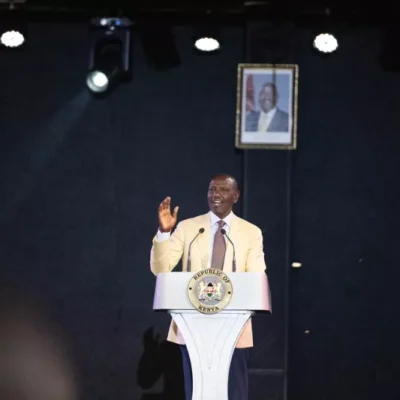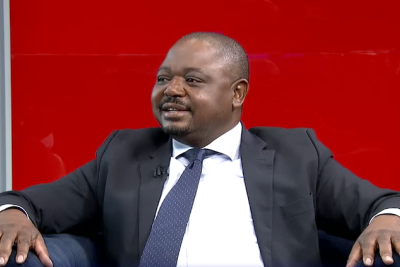


Manyatta Member of Parliament Gitonga Mukunji has accused the highest office in the land of financing violent political mobilization, often referred to as ‘goons.’ This allegation, denied by government loyalists, raises concerns about the integrity of Kenya’s electoral process as the country approaches the 2027 general elections. The situation highlights a growing ‘goon economy,’ where political elites exploit unemployment to enforce dominance, intimidate opponents, and suppress dissent.
The Anatomy of Political Mercenaries
The operational framework of these groups has evolved significantly over the past decade. Initially characterized by small, uncoordinated bands of youth used for heckling at rallies, modern political mobilization networks have become organized, well-funded enterprises. Recruitment often targets youth from informal settlements, offering daily wages exceeding the average income of a casual laborer. This transactional nature turns young citizens into disposable assets for competing political factions.
The current political climate, marked by intense competition and fragmented loyalties, has accelerated this phenomenon. Politicians are securing tactical assets, frequently deploying these groups to disrupt public meetings and voter registration drives, provide aggressive protection for leaders, infiltrate and sabotage civil demonstrations, and intimidate journalists and civil society activists.
A History of Youth Exploitation
The exploitation of youth in Kenyan politics is not new. Historically, the country’s political landscape has been marked by youth wings—paramilitary-style organizations that served political interests under the guise of grassroots activism. From the 1990s through the post-2007 election violence, these groups were often characterized by ethnic mobilization. Today, the focus has shifted toward economic survival, fueled by high youth unemployment, with approximately 75 percent of the population under 35 years old.
Sociologists describe these networks as an ‘informal employment sector.’ For young men in urban informal settlements, being hired as a ‘political security provider’ offers a fleeting but essential income. However, this normalization of political violence creates a vicious cycle. Once formed and funded, these groups often develop independently, engaging in petty crime, extortion, and protection rackets, creating a long-term security challenge for the state.
The Economic and Democratic Cost
The cost of this political outsourcing extends beyond violence, eroding the country’s GDP and social fabric. Business owners in urban hubs like Nairobi report significant losses during periods of heightened political tension due to the fear of goon-led violence. When security institutions are perceived as complicit or powerless to act, public trust in the rule of law diminishes.
MP Mukunji’s accusation underscores the need for a separation between state resources and political campaigning. If state funding is used to sustain these groups, it constitutes a misappropriation of public funds and a violation of the Constitution of Kenya, which mandates neutrality in security operations. The Independent Electoral and Boundaries Commission (IEBC) and the Office of the Registrar of Political Parties face the challenge of effectively enforcing campaign finance laws currently circumvented through informal payments.
Looking Toward 2027
As the country approaches the next election cycle, rhetoric around political mobilization is intensifying. Mukunji’s claims serve as a warning of potential organized violence overshadowing policy debates. The interior docket and investigative agencies must conduct impartial audits into these allegations. Without a verifiable investigation, accusations will continue to sow discord and deepen polarization.
The path forward requires dismantling the economic incentives that make political violence a viable career path for Kenyan youth. Until the government provides economic alternatives and holds political leaders accountable for inciting violence, the ‘goon economy’ will continue to threaten Kenya’s democratic future. The state’s decision to investigate these claims or ignore them may well dictate the level of peace the nation experiences in the coming eighteen months.