
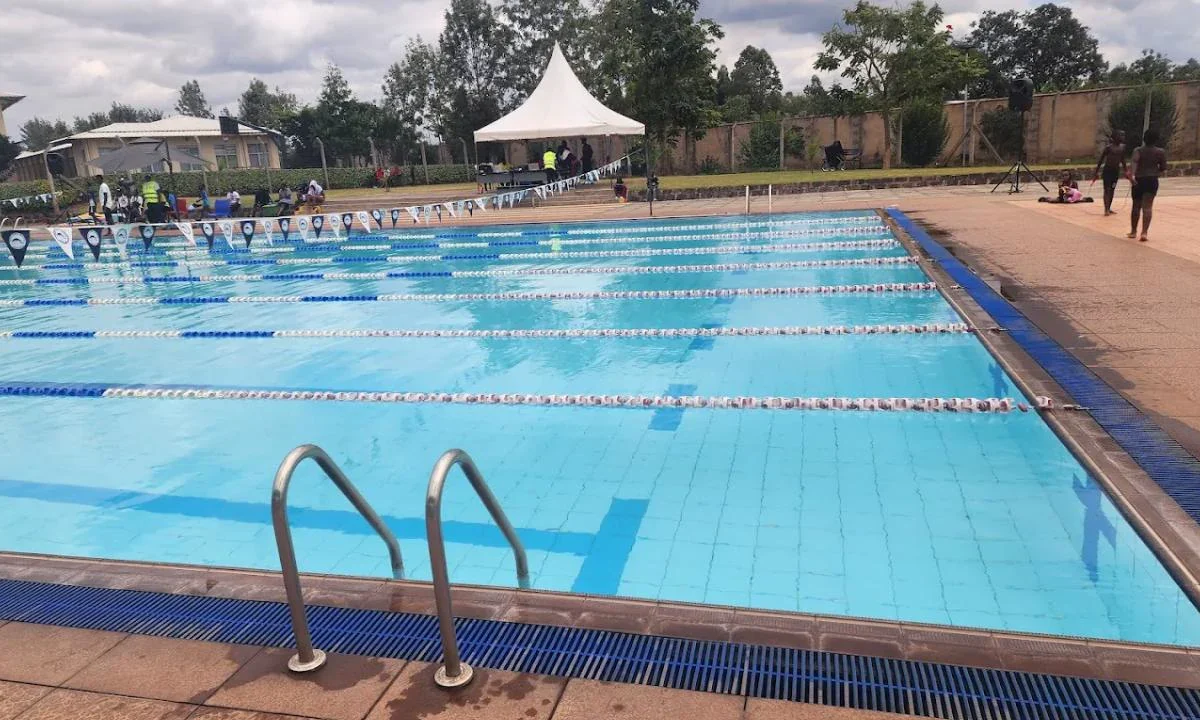
Kenya’s educational divide has come into sharp focus following a viral tour of Kenya High School, where a swimming pool, gym, specialised music facilities and art laboratories have highlighted the contrast between well-equipped institutions and schools still struggling to provide basic learning resources.
The tour has reignited questions about whether learners across the country enjoy equal opportunities to develop their talents and achieve their academic potential, despite pursuing education under the same national curriculum.
While some schools offer a broad range of academic, sporting and recreational facilities, others face shortages of classrooms, laboratories, libraries, sanitation facilities and learning materials. The result is a system in which learners can experience markedly different educational environments depending on the institutions they attend.
Two different realities within one education system
Kenya High School’s facilities illustrate how a school environment can extend beyond conventional classroom instruction.
The tour showcased a swimming pool, which the accompanying account said students were required to use for swimming lessons, and a gym located nearby. It also highlighted specialised music facilities, art laboratories, a chapel, organised dormitories, outdoor lockers, landscaped gardens, a dining hall, a canteen and well-maintained pathways.
Such amenities can support physical fitness, creative expression, practical learning, student welfare and extracurricular development.
More broadly, well-equipped schools may have modern science laboratories, computer and ICT rooms, libraries, digital learning centres, technical workshops, sports fields, multipurpose halls, school clinics, guidance and counselling centres, and classrooms fitted with digital teaching equipment.
Other facilities can include reliable electricity and water supplies, internet connectivity, accessible infrastructure for learners with disabilities, adequate sanitation, boarding accommodation and transport services.
However, the availability of these facilities varies considerably between institutions.
In under-resourced schools, teachers may contend with overcrowded classrooms, insufficient textbooks, inadequate laboratory equipment, limited access to computers and a lack of dedicated spaces for practical activities. Some institutions also struggle to provide reliable water, adequate toilets and suitable recreational areas.
These differences mean that learners following the same curriculum may not enjoy comparable opportunities to acquire knowledge, practise skills and explore their interests.
When school resources shape opportunities
The gap between well-equipped and under-resourced schools is not simply a matter of comfort or prestige. It can influence the range of educational experiences available to learners.
Students with access to science laboratories, computer rooms and technical workshops can undertake practical activities that may be difficult to organise in schools without the necessary equipment.
Similarly, learners with access to music rooms, art studios, sports facilities and multipurpose halls have dedicated spaces in which to develop creative, physical and performance skills.
Where such facilities are absent, teachers and learners may have to improvise or limit certain activities.
Nevertheless, infrastructure alone does not determine educational outcomes. Teacher quality, school leadership, family support, learner motivation and the effective use of available resources remain important.
The concern is that learners may face additional barriers because of circumstances beyond their control, including the financial capacity of their schools and communities.
Educational equity does not require every school to have an identical swimming pool, gymnasium or auditorium. It requires learners to have access to essential facilities and meaningful opportunities to develop academically, socially and practically.
A viral tour showcasing Kenya High School’s swimming pool, gym, music facilities and art laboratories has reignited debate about unequal learning environments in Kenya. The contrast raises questions about whether all learners have adequate resources to develop their academic abilities and talents under the same national curriculum.
The contrast is particularly significant as Kenya implements Competency-Based Education (CBE), which places greater emphasis on practical skills, creativity, collaboration and talent development.
Delivering these objectives requires more than curriculum reforms. Schools need appropriate learning spaces, equipment, trained teachers and sustainable funding to translate curriculum expectations into meaningful learning experiences.
A school with functioning laboratories, computers, creative studios and technical workshops may find it easier to organise certain practical activities. An institution without these resources may struggle to offer comparable experiences.
This makes infrastructure investment an important component of curriculum implementation. Changing what learners are expected to know and do must be accompanied by attention to the
of educational fairness is whether every learner has a genuine opportunity to learn, develop their abilities and prepare for the future.