
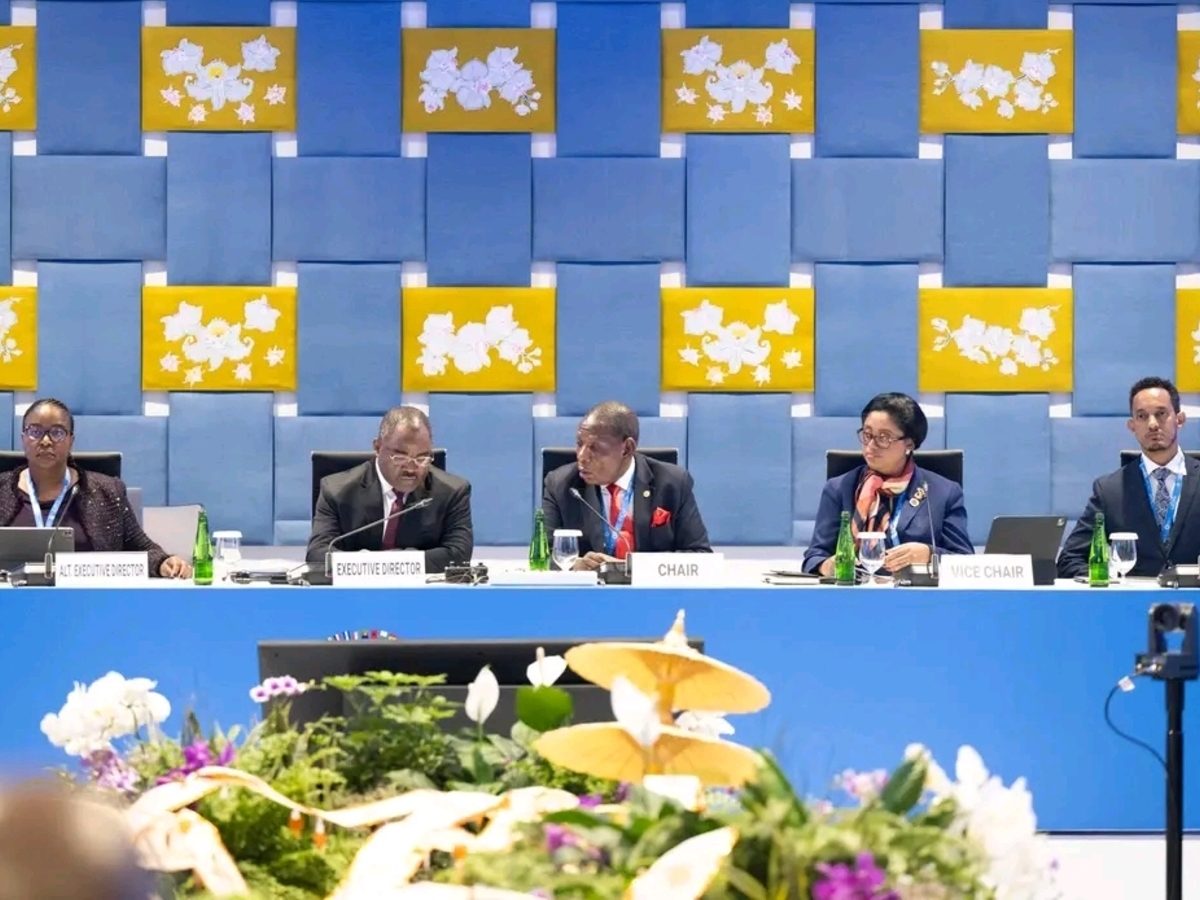
Sandokan Debebe will take office on November 1 as Ethiopia assumes the deputy executive director position for the Africa Group 1 constituency.
Ethiopia has secured the deputy executive director position at the World Bank Group for a constituency representing 22 African countries, placing an Ethiopian official in the institution’s board leadership structure as the region seeks greater access to development financing.
Sandokan Debebe has been confirmed for the position by finance ministers and central bank governors from the World Bank’s Africa Group 1 constituency. His two-year term will begin on November 1, 2026.
The appointment marks the third time Ethiopia has held a senior board leadership position representing the constituency, following the tenures of Bulcha Demeksa from 1972 to 1974 and Mulu Ketsela from 2006 to 2008.
The Africa Group 1 constituency comprises 22 countries, including Ethiopia, Kenya, Uganda, Sudan, South Sudan, Eritrea, Somalia, Rwanda, Tanzania and Angola.
The constituency is represented on the World Bank Group’s Board of Executive Directors, which oversees the institution’s operations, reviews financing proposals and provides oversight of policies affecting member countries.
As deputy executive director, Sandokan will participate in the constituency’s representation at the board level, working alongside its executive director to coordinate the positions of member countries on development financing and institutional policies.

The appointment comes as Ethiopia continues to implement economic reforms supported by international financial institutions, including the World Bank and the International Monetary Fund.
Since July 2024, the government has introduced a series of macroeconomic measures, including a shift towards a market-based foreign exchange system, alongside reforms to monetary policy, public finances and state-owned enterprises.
The World Bank has supported the reform programme through development policy financing and investment projects covering infrastructure, energy, agriculture, education and social protection.
Ethiopia is among the World Bank’s largest borrowers in sub-Saharan Africa, with an extensive portfolio of projects financed primarily through the International Development Association, the institution’s concessional financing arm for lower-income countries.
The IDA provides grants and low-interest financing to eligible countries, supporting government programmes and investments in public services, infrastructure and economic development.
The appointment also comes as African governments face financing requirements for infrastructure development, climate adaptation and public services, while several countries continue to manage elevated debt burdens and limited fiscal resources.
For the 22-member constituency, board representation provides a channel for coordinating positions on World Bank lending policies, financing arrangements and institutional reforms.
However, the deputy executive director position does not give Ethiopia independent authority over World Bank lending decisions or preferential access to financing. Board decisions are governed by the institution’s voting arrangements and established approval procedures.
According to the appointment announcement, Sandokan is expected to work with constituency members on shared priorities, including development financing, economic reforms, poverty reduction, climate resilience and private sector development.
His responsibilities will also involve coordination with the World Bank’s board and the governments represented by the constituency on policies affecting their development programmes.
Sandokan brings experience in government administration and the management of development institutions, according to the announcement.
His appointment follows Ethiopia’s previous representation in the constituency’s senior leadership during two separate periods spanning the 1970s and 2000s.
The new term begins on November 1, placing Ethiopia in the deputy executive director position for the constituency as the World Bank continues its financing and policy engagement with African member countries.