
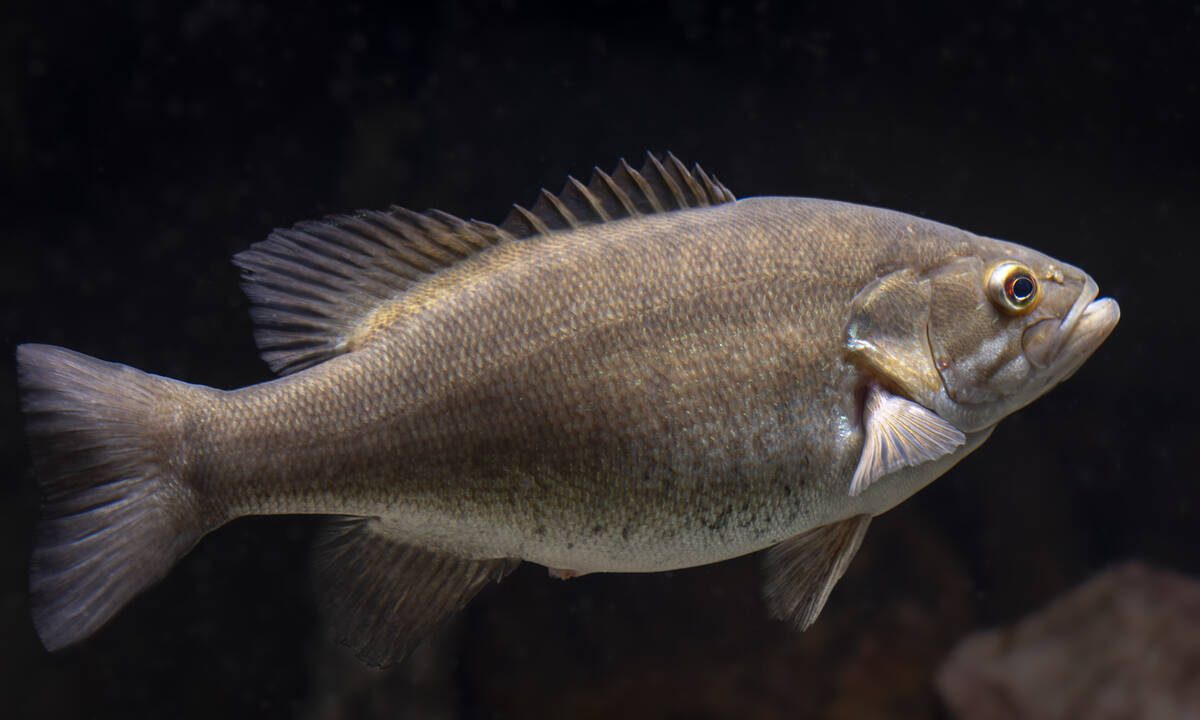
For almost a hundred years now, the tranquil lakes of Japan have been reflecting an under-the-surface drama involving biology at its best. The effort was intended to boost regional tourism through a new recreational fishery. Back in the early twentieth century, some enthusiastic people saw an opportunity in bringing an exciting North American game fish to Japan.At first, the introduction of the fish was seen as a success for the outdoor recreation industry. Enthusiasts marvelled at the incredible fighting spirit of the new species, and a booming subculture of specialised tackle shops, guided boat tours, and competitive tournaments quickly took root around major waterways. For decades, some rural lakeside communities viewed the fish as an economic benefit.Nonetheless, the brief period of economic growth concealed an extensive ecological catastrophe that was quietly occurring within the most important freshwater habitats in the country. A study titled A review on the black bass problem referring to the historical background in Japan provides an important insight into this ecological catastrophe. The review argues that the introduction may have disrupted the food chain and threatened endemic speciesA quiet transformation of the ancient freshwater paradiseIn order to get the full picture of the ecological catastrophe that occurred in the lake, one should consider the vulnerability of one of Japan’s oldest freshwater lakes. Lake Biwa is a very old ecosystem that has developed over millions of years and includes many unique species of fish, molluscs, and plants found only in this lake. The endemic species had not evolved alongside a predator of this size and feeding behaviour.When the fish spread into these waters, researchers say the impact was significant. The predatory invaders are not picky eaters; they aggressively hunt everything from native carp and minnows to delicate freshwater prawns and insect larvae. Because native species lacked defences against the predator, their populations may have declined.Researchers say this predation may have altered the lake’s ecosystem. The loss of smaller fish and invertebrates may have disrupted the lake’s ecological balance. It may also have contributed to poorer water clarity, more aquatic plant growth, and habitat loss.
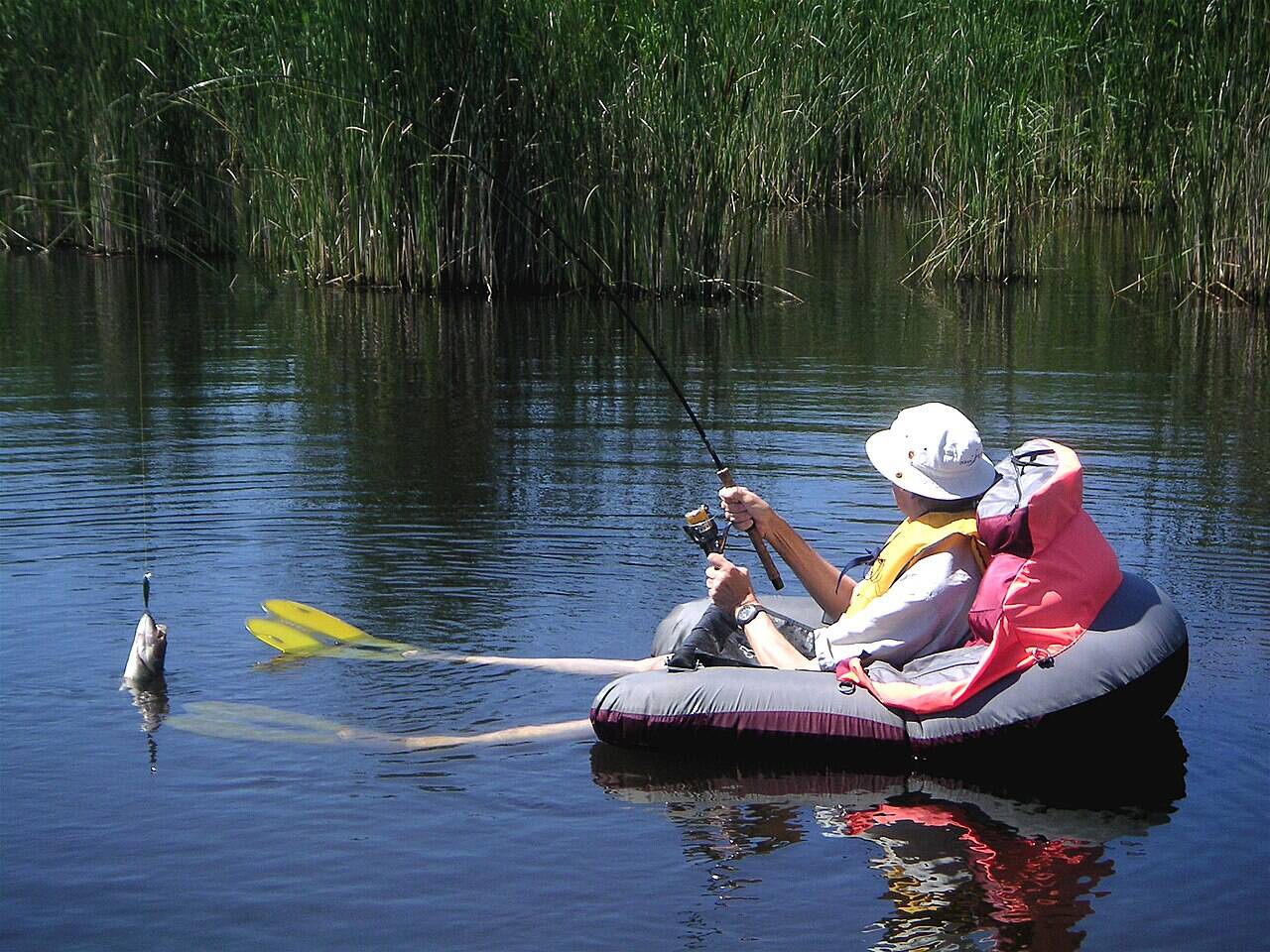
The ecological damage threatened ancient freshwater habitats and traditional fisheries. Authorities classified the fish as invasive, restricting their spread and implementing removal efforts. Image Credits: Wikimedia Commons
Reclaiming the lakes and rewriting the rules of conservationAs the damage became clear, local attitudes shifted toward removing the fish and restoring habitat. Some anglers have opposed restrictive environmental measures because of tourism and fishing interests.However, the catastrophic decline of culturally significant commercial fisheries, such as the prized native deepwater carps that have sustained local culinary traditions for centuries, finally forced the government to step in with severe legal measures. Authorities classified the fish as an invasive alien species and restricted transport, breeding, and release into any public waterways across the nation.Today, reversing a century of environmental mismanagement requires an enormous, community-led effort that brings together scientists, commercial fishermen, and local volunteers. Regular removal campaigns are conducted using specialised nets and electrical barriers to thin out the invasive populations, while lakeside towns have set up dedicated disposal stations where anglers must deposit their invasive catches rather than releasing them back into the wild.The case is a reminder of the challenges of environmental management. This suggests that recreation benefits do not outweigh long-term ecological damage. By reflecting on what happened in 1925 and working to restore the lake, locals have concluded that protecting the environment supports long-term prosperity.