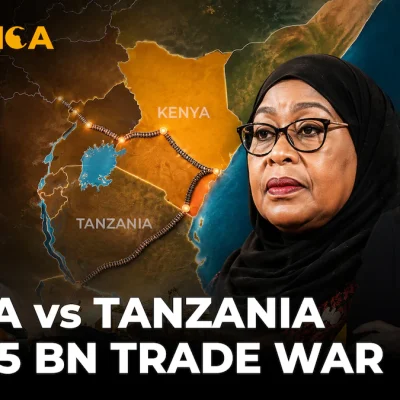

Uganda has put pressure on Kenya to connect Malaba to the standard gauge railway (SGR) after it issued a Sh62 billion (€405 million) bond to kick-start the construction of a new line on its side of the border.
Uganda has issued a shariah-compliant Sukuk bond, in two segments, with Sh32 billion (€205 million) being raised from the country and its neighbours, including Kenya, while Sh30 billion (€200 million) will target international investors.
The construction of the new line will put pressure on Kenya to quicken the extension of the SGR to neighbouring Uganda, after a six‑year hiatus.
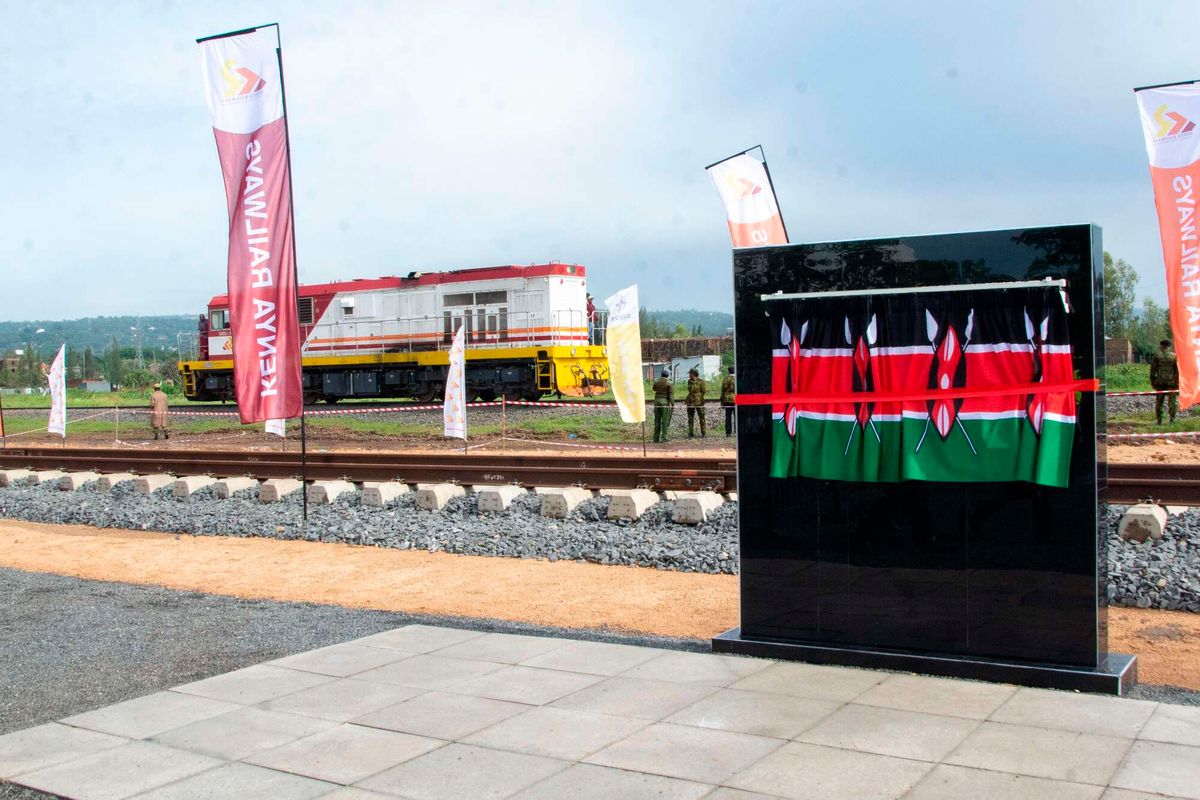
The SGR project stalled in Naivasha, more than 350 km short of the Ugandan border, holding up a planned cross-border link to boost regional connectivity and commerce.
The 10-year Uganda bonds offer a return of 13 percent to investors, with Uganda having the option of taking an extra Sh3.2 billion (€25 million) in case of an oversubscription from regional investors, under a green shoe option.
Uganda’s capital raising is set to pressure Kenya to speed up the process of raising funds for completing the line, whose completion will boost trade between the neighbouring nations.
“Under the € 200 million trust certificate bullet issuance described in the Base Prospectus dated April 15, 2026, Uganda Sovereign Sukuk1 Limited issues € 205 million trust certificates due 2036 as a domestic and regional issuance of the € 405 million approved by Ugandan Cabinet and is being issued in two segments with this one being € 200 million and the international segment being € 200 million,” reads part of the pricing memorandum.
The bond is tax-exempt and will be cross-listed in the regional markets, including the Nairobi Securities Exchange.
It is estimated that the expansion of the SGR will lower freight costs to the Ugandan capital by at least 40 percent per tonne per kilometre while transit times for freight will reduce by nearly 30 percent.
“We plan to transfer all heavy cargo to the railway, to reduce road maintenance costs and accidents,” said Uganda President Yoweri Museveni during the launch of the extension two months ago.
The Ugandan government is expected to seek more funds in the international debt market to fund the 273 kilometre line estimated to cost Sh405 billion.
Nairobi recently made legal changes to allow it to securitise collections from the Railway Development Levy to fund the extension of the line to the border.
Treasury reports estimate that construction of the SGR — currently stopping abruptly in Suswa, a small town in Narok County — will cost approximately Sh502.9 billion.
The Kenyan government is currently pursuing a Sh390 billion ($2.6–3.0 billion) securitised bond to finance the SGR extension from Naivasha to Malaba estimated to be 350 kilometres. Nairobi says it is in an advanced stage of the expansion of the SGR and has even started land compensation after completing the feasibility study.
The Kenya Railways Corporation has said it will acquire more than 5,000 acres of land to facilitate the expansion of the SGR.
While Kenya has worked with the Chinese on its side, Uganda has contracted Turkish firm Yapi Merkezi after terminating an agreement with China Harbour Engineering Company in 2023 after 8 years of stalling attributed to inability to secure funding.
The construction is estimated to take 48 months once it gets underway.
The Treasury collects approximately Sh35 billion annually from the levy annually.
In the current financial year, the Treasury initially allocated Sh16.5 billion for the extension before adding Sh14 billion in a supplementary budget. This brought the total allocation to the railway line to Sh30.5 billion in the current financial year.
The government had to cut budgetary allocation for other SGR expenses, including building security installation along the line from Mombasa to Naivasha, to make the additional expenses underlining its prioritisation of the railway line extension.
The budget slashes included Sh1.6 billion from a proposed digital surveillance and protection network that would be used to monitor and safeguard the SGR from Mombasa to Naivasha.
Kenya Railways was also forced to buy fewer SGR locomotive wheelsets — or the wheel-and-axle assemblies for the trains — after its budget was slashed by half from Sh2.2 billion to Sh1.1 billion.