

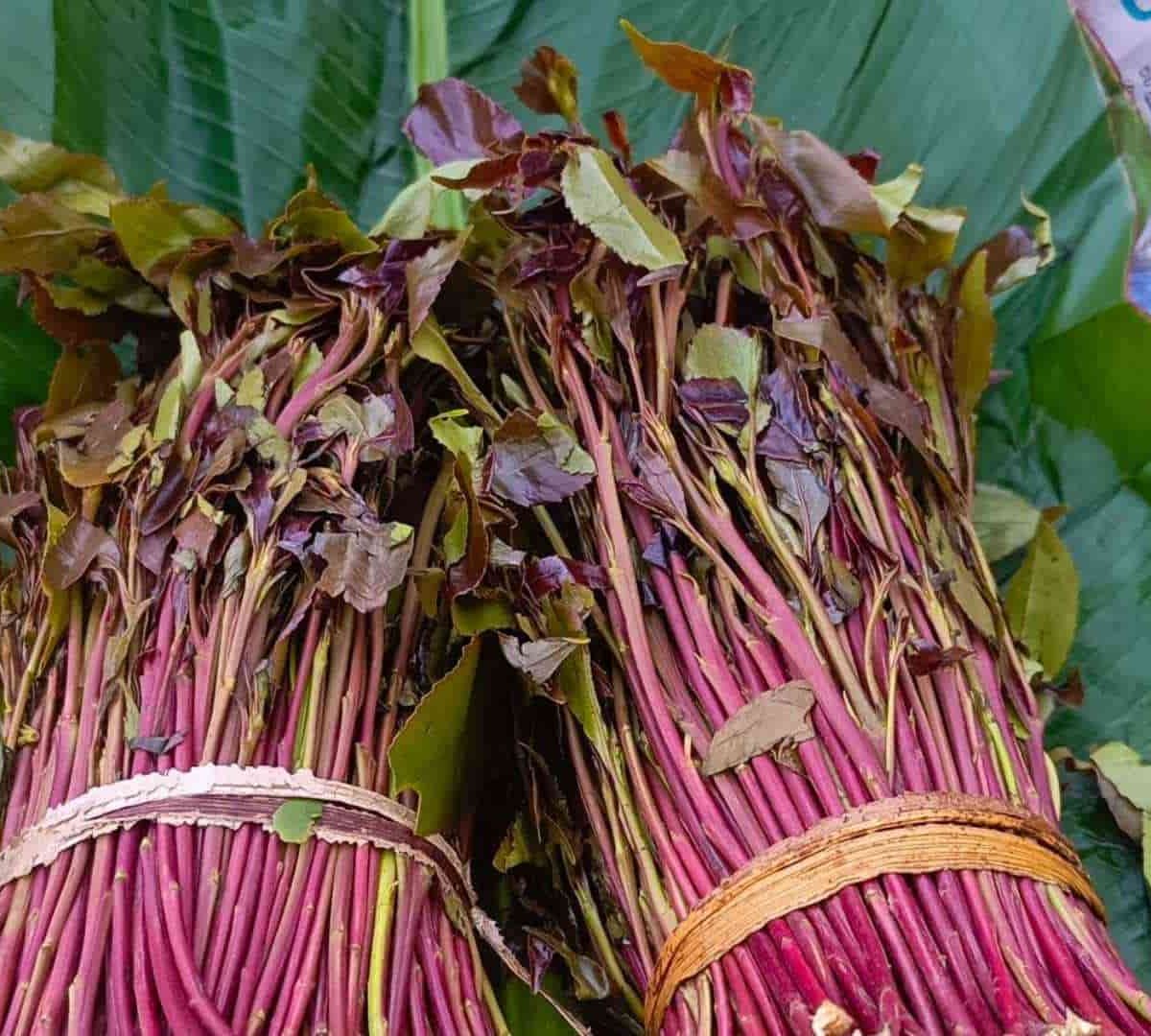
Kenya faces a complex situation regarding miraa, also known as Catha edulis, a crop widely cultivated and consumed in East Africa and the Horn. While its cultivation, sale, and export are permitted, it remains listed under the Narcotic Drugs and Psychotropic Substances Act, creating legal and economic challenges.
This article examines the legal status, economic impact, and public health considerations surrounding miraa in Kenya.
Legal Crop, Controlled Substance
Miraa cultivation, sale, and consumption are not prohibited under general Kenyan law and are recognized in the Crops Act and specific Miraa regulations. However, the active compounds within the plant, cathinone and cathine, are classified as psychotropic substances under the Narcotic Drugs Act. The National Authority for the Campaign Against Drug Abuse (NACADA) maintains this classification despite the crop’s commercial success. This legal ambiguity frustrates growers and exporters, who advocate for its removal from the drugs schedule, citing restrictions on market access and unnecessary stigma.
Economic Lifeline for Many, Especially for Major Consumer Markets
Miraa serves as a vital source of livelihood for hundreds of thousands of households in Kenya, primarily in Meru, Embu, Tharaka-Nithi, and parts of central Kenya. The Agriculture and Food Authority estimates that tens of thousands of traders and transporters are involved in the miraa supply chain, which extends to domestic and international markets.
Traders frequently transport fresh miraa and muguka in modified pickup trucks along Kenyan highways, prioritizing speed to reach Jomo Kenyatta International Airport in Nairobi. These vehicles often disregard traffic regulations in a race against time, as the crops’ value diminishes rapidly after harvest. The primary export destination is Somalia, where miraa, locally known as Qaat, is a culturally significant product consumed daily in social and business settings.
The Kenyan miraa sector generates billions of shillings annually, with Somalia as its largest export market. Following the lifting of a ban on miraa imports from Kenya in 2021, trade between the two countries has been renewed, solidifying miraa as a key economic link.
Public Health Concerns and Stigma
Concerns regarding miraa’s impact on public health are raised by opponents of de-listing it from drug laws. They point to classifications by the World Health Organization and United Nations conventions that identify the chemical compounds in khat as psychoactive and potentially harmful.